- Why Travel Around Peru by Bus?
- Important Things to Know Before Traveling Peru by Bus
- Best Bus Companies in Peru
- Is Bus Travel in Peru Safe?
- How to Book Bus Tickets in Peru
- What to Expect When Traveling Peru by Bus
- Best Destinations to Visit by Bus in Peru
- When Is Flying a Better Option in Peru?
- Typical Bus Travel Times in Peru
- Must-Pack Essentials for Long Bus Journeys in Peru
- Frequently Asked Questions About Buses in Peru
- Final Thoughts on Traveling Around Peru by Bus
Why Travel Around Peru by Bus?
Peru is a huge country, with destinations spread across the coast, the Andes, and the Amazon. Because of the large distances between places, transportation plays an important role when planning your trip.
While flying is possible on some routes, Peru has an excellent long-distance bus network that connects almost every major tourist destination in the country. For backpackers especially, traveling around Peru by bus is often the easiest, most affordable, and most flexible option.
At first, taking buses in a foreign country may sound intimidating. Figuring out which companies to use, where to book tickets, and how safe it is can seem overwhelming, especially if it is your first time in Peru.
The good news is that bus travel in Peru is generally straightforward once you know what to expect. In this Peru bus travel guide, I’ll walk you through everything you need to know so you can travel around Peru by bus with confidence and ease.
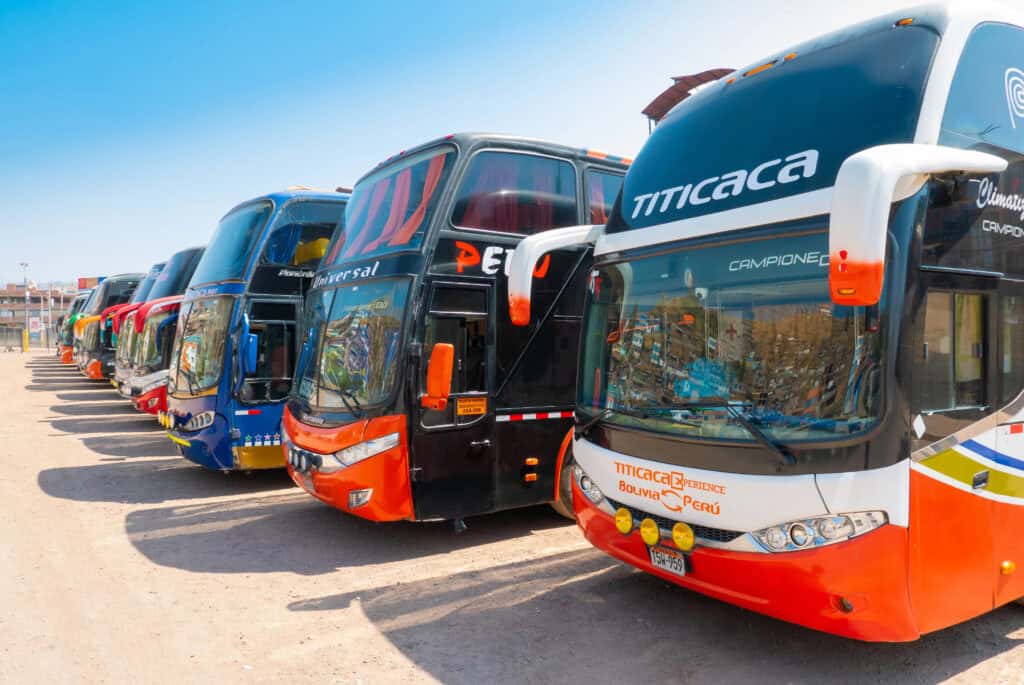
Important Things to Know Before Traveling Peru by Bus
Traveling around Peru by bus is generally easy, but there are a few things worth keeping in mind before your trip.
During the rainy season (roughly November to April), buses can be less reliable, especially in the Andes. Heavy rainfall occasionally causes landslides, which may lead to delays, road closures, or even canceled departures. To avoid stress, try not to plan your itinerary too tightly and leave some room for unexpected changes.
Most bus companies ask passengers to arrive at the terminal at least 30 minutes before departure. This gives you enough time to check in your luggage and find the correct boarding area.
It is also important to check the baggage allowance before traveling. While many companies are fairly relaxed, some operators are strict and may charge extra if your luggage exceeds the allowed weight.
During the high season, especially on popular tourist routes, buses can sell out quickly. If you are traveling between destinations such as Lima, Cusco, Arequipa, and Paracas, booking in advance is highly recommended. Outside of peak season, you can often simply buy a ticket at the terminal if seats are still available.
Finally, keep in mind that bus schedules in Peru are often more of an indication than a guarantee. Delays of one or two hours are fairly common, and longer delays can occasionally happen due to traffic, weather, or road conditions.
Best Bus Companies in Peru
Peru Hop
I’m starting with Peru Hop because this company is specifically designed for backpackers and independent travelers. If you’re visiting Peru for the first time, Peru Hop is often one of the easiest and most convenient ways to travel around the country.
I personally traveled with Peru Hop once and was pleasantly surprised by how smooth and organized the experience was.
Peru Hop offers two different travel options:
- Hop-on hop-off travel passes
- One Day City Tours/Trips
The hop-on hop-off passes are what Peru Hop is best known for. Instead of booking separate bus tickets for every journey, you purchase a travel pass that allows you to travel along a specific route and hop on and off the bus as often as you like while your pass remains valid. This gives travelers the freedom to spend more or less time in destinations without having to plan every detail in advance.
Pros of Peru Hop
- Safety and convenience are probably the biggest advantages of Peru Hop. This is especially valuable if you don’t speak Spanish or are traveling solo.
- One of the things I appreciated most is that passengers are picked up directly from their hostel or hotel. This means you don’t have to navigate an unfamiliar city in the middle of the night or search for a bus terminal before an overnight journey.
- Another major advantage is that Peru Hop buses have onboard guides who always speak English. They provide useful travel information, answer questions, and can even help you arrange tours and activities if you want some assistance planning your trip.
- Flexibility is another strong point. With many passes, you can decide how long you want to stay in each destination before continuing your journey. However, this flexibility is mainly beneficial if you are doing a larger road trip through Peru or plan to spend several weeks in the country.
Cons of Peru Hop
- The biggest downside is the price. Peru Hop is significantly more expensive than regular bus companies and is certainly not the most budget-friendly option for backpackers traveling on a tight budget.
- Another disadvantage is that Peru Hop only operates along established tourist routes. While this covers many popular destinations in southern Peru, you cannot travel everywhere in the country. For example, destinations in northern Peru, such as Huaraz, are not included in the Peru Hop network.
- Finally, Peru Hop buses often make multiple stops along the route, either for sightseeing opportunities or passenger pick-ups. While this can be a nice addition for some travelers, it also means that journeys can take longer compared to regular long-distance bus companies.
If you would like to learn more about routes, travel passes, or current prices, you can visit the official Peru Hop website. Please note that this is not a sponsored recommendation, I simply found Peru Hop to be a convenient option for backpackers traveling through Peru.
Cruz Del Sur
Cruz del Sur is my all-time favorite bus company in Peru. I have traveled with them more than 15 times over the years and have never experienced any major issues. Because of their excellent safety record, comfortable buses, and reliable service, Cruz del Sur is usually my first choice whenever I need to travel long distances in Peru.
For me personally, the biggest advantage of Cruz del Sur is the comfort. The company offers different seat classes, including Semi Cama seats, which typically recline to around 160 degrees, and Cama or Suite Cama seats, which can recline almost completely flat, making them ideal for overnight journeys. Being able to get some proper rest on a 10 to 15-hour bus ride makes a huge difference.
Another reason why I love traveling with Cruz del Sur is the amount of space available. I am 2 meters tall (6’6″), and legroom is often a concern when I travel. However, I have never had any problems with space on Cruz del Sur buses, even during longer journeys. The seats are spacious, comfortable, and well-designed, which makes long bus rides much more enjoyable.
One thing that I also appreciate is how straightforward the entire process is. Cruz del Sur has bus terminals in all major cities across Peru. After booking your ticket online, you will receive a confirmation email containing your ticket and the exact address of the departure terminal. In most cases, you should arrive at the terminal at least 30 minutes before departure to check in your luggage and complete the boarding process.
Pros of Cruz del Sur
- Excellent safety reputation compared to many other bus companies.
- Very comfortable buses with spacious seating.
- Plenty of legroom, even for tall travelers.
- Extensive route network connecting many of Peru’s most popular destinations.
- Easy online booking system.
- Many buses include onboard toilets, charging ports, entertainment systems, and WiFi.
Cons of Cruz del Sur
- Usually one of the more expensive regular bus companies in Peru.
- Some smaller destinations are not covered by the network.
- You need to make your own way to and from the bus terminal.
If you are looking for a safe, comfortable, and reliable option for traveling around Peru by bus, Cruz del Sur is hard to beat. You can check routes, schedules, and book tickets directly on the official Cruz del Sur website. Please note that this is not a sponsored recommendation; it is simply the company I personally prefer when traveling around Peru.
Civa
Civa is another popular long-distance bus company in Peru and one that many backpackers and locals use to travel around the country. The company operates an extensive network, serving destinations across both southern and northern Peru, making it a good option if you plan to visit places that are not covered by Peru Hop.
I have only traveled with Civa once myself, so my personal experience with the company is more limited compared to Cruz del Sur. Overall, the journey was perfectly fine, and I arrived safely at my destination without any issues. However, I did find the experience less comfortable, mainly because there was noticeably less legroom.
As someone who is 2 meters tall (6’6″), legroom is always an important factor for me when choosing a bus company. On my Civa journey, I felt more cramped compared to Cruz del Sur, which is one of the reasons why I personally still prefer the latter for long overnight trips.
Like most traditional bus companies in Peru, Civa operates from bus terminals located in major cities throughout the country. After booking your ticket online, you will receive an email confirmation containing your ticket and the address of the departure terminal.
The level of comfort can vary depending on the type of bus and route you choose. Some buses offer spacious reclining seats, onboard toilets, charging ports, and entertainment systems, while others provide a more basic experience. Because of this, it is always worth checking the seat type and onboard amenities before booking.
Pros of Civa
- Generally cheaper than premium companies such as Cruz del Sur.
- Extensive route network covering both southern and northern Peru.
- Serves many destinations that are not covered by Peru Hop.
- Frequent departures on popular routes.
- Online booking system available.
- Good option for budget-conscious travelers.
Cons of Civa
- Comfort and service quality can vary between buses and routes.
- Less legroom compared to companies such as Cruz del Sur.
- Safety reputation is generally considered slightly lower than premium companies.
- Buses are sometimes less punctual than other companies.
- The overall experience can be less consistent depending on the route.
Overall, Civa is a solid option if you are looking for affordable bus travel in Peru and want access to a large route network. You can check routes, schedules, and book tickets directly on the official Civa website. Please note that this is not a sponsored recommendation; I am simply including it because it is one of the largest and most commonly used bus companies in Peru.
Other Bus Companies in Peru
While the companies above are the ones I have personally traveled with, there are several other long-distance bus companies operating throughout Peru. Some of the most popular alternatives include Transzela, Ormeño, Movil Bus, Oltursa, Excluciva, and Linea.
I have never personally traveled with any of these companies, so I cannot give a firsthand opinion on the level of comfort, service, or reliability. However, they are all established companies that operate routes across different parts of Peru.
These companies can be particularly useful if your desired route or departure time is not available with Peru Hop, Cruz del Sur, or Civa. Since every company serves slightly different destinations and schedules, it is always worth checking multiple operators when planning your journey through Peru.
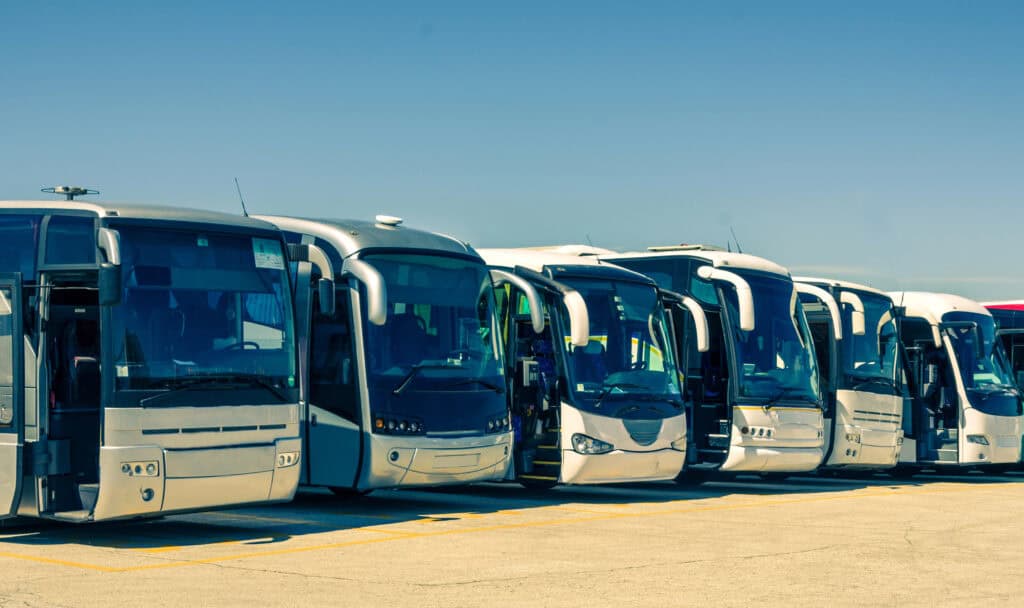
Is Bus Travel in Peru Safe?
One of the most common questions first-time visitors ask is whether bus travel in Peru is safe. Overall, my answer is yes. I have traveled extensively by bus throughout Peru and have never experienced any serious problems.
That said, safety can vary significantly depending on the company you choose. I strongly recommend sticking to reputable operators such as Cruz del Sur, Peru Hop, or other well-established companies, especially for overnight journeys. While smaller local companies are often cheaper, they may not always maintain the same safety standards.
Like anywhere in the world, it is also important to use common sense. Always keep valuables such as your passport, phone, camera, and wallet with you rather than storing them in your checked luggage. I personally always keep my valuables in a small daypack that stays with me during the entire journey.
Overnight buses are extremely common in Peru and are generally safe when traveling with trusted companies. In fact, many backpackers use night buses regularly to save both time and accommodation costs.
As long as you travel with reputable companies and take normal precautions, bus travel in Peru is generally a safe and comfortable way to explore the country.
How to Book Bus Tickets in Peru
Booking bus tickets in Peru is generally very straightforward, and there are several ways to do it depending on your travel style.
The easiest option is to book your tickets online through the official websites of bus companies such as Cruz del Sur, Civa, or Peru Hop. This is the option I personally prefer, as it allows you to compare schedules, choose your seat, and secure your ticket in advance.
If you prefer to stay flexible, you can also buy tickets directly at the bus terminal. Outside of peak travel periods, this is usually not a problem as long as the bus is not already full. However, during the high season or on popular tourist routes, I recommend booking a few days in advance.
Most bus companies will send your ticket by email after booking. The confirmation email normally includes the address of the departure terminal, departure time, and any luggage restrictions. Be sure to read these details carefully before your journey.
What to Expect When Traveling Peru by Bus
Traveling around Peru by bus is a great experience, but it is important to know that journeys can be very long. If you are crossing large parts of the country, it is not uncommon to spend 10 to 20 hours on a single bus ride. Add potential delays, and travel days can become even longer.
Another thing to keep in mind is that many routes take you from the coast into the Andes. Besides the long journey itself, you may also have to deal with the effects of altitude once you arrive in destinations such as Cusco or Puno, which can make travel days feel even more exhausting.
For this reason, I highly recommend being well prepared for every journey. Always bring enough water, wear comfortable clothing, and pack some snacks for the trip. A neck pillow, power bank, and entertainment for the journey can also make a big difference.
Finally, I would advise against saving too much money when it comes to comfort. There is a huge difference between spending 15 hours in a spacious reclining seat and spending the same amount of time in a cramped standard seat. Especially for overnight journeys, paying a little extra for a Semi Cama or Cama seat is usually money well spent.

Best Destinations to Visit by Bus in Peru
Peru has an excellent long-distance bus network, and many of the country’s most popular destinations are easily reached by road. In fact, traveling by bus is often the most practical and affordable option for backpackers exploring Peru.
The classic backpacker route through Lima, Paracas, Huacachina, Arequipa, Cusco, and Puno is particularly well suited for bus travel. All of these destinations are connected by frequent daily departures, making it easy to travel independently without needing to fly.
There are also several destinations where taking the bus is essentially the only realistic option. Places such as Huacachina, Paracas, and Huaraz, do not have commercial airports, meaning almost all travelers arrive by bus. Fortunately, these routes are generally straightforward and well served by long-distance bus companies.
While bus travel works extremely well in southern Peru, there are some situations where flying makes more sense. If you have limited time or are planning to visit remote destinations in the Amazon, domestic flights can save a significant amount of travel time.
Overall, if you are planning a typical Peru itinerary, you can comfortably visit most of the country’s highlights using buses alone.
When Is Flying a Better Option in Peru?
Although Peru has an excellent long-distance bus network, there are certain situations where taking a flight is worth considering.
Once journeys start becoming very long, flying can save you a significant amount of time. A good example is the route between Lima and Cusco, which can take more than 21 hours by bus depending on traffic, road conditions, and delays. While many backpackers still choose the bus to save money, others may prefer a short domestic flight instead.
Flying is also a good option if you have limited time in Peru. If you are only visiting the country for one or two weeks, time is often more valuable than saving money on transportation. Taking a flight can allow you to spend more time exploring destinations rather than sitting on a bus.
Ultimately, the choice comes down to your travel style. If you are backpacking Peru for several weeks or months, buses are usually the most affordable and flexible option. However, if your schedule is tight or you simply prefer comfort and convenience, domestic flights can be well worth the extra cost.
Typical Bus Travel Times in Peru
Because Peru is such a large country, travel times between destinations can be much longer than many travelers initially expect. While some routes along the coast only take a few hours, journeys through the Andes can easily last 10 hours or more due to winding mountain roads and frequent stops.
It is also worth remembering that delays are fairly common in Peru. Traffic, weather conditions, roadworks, and occasional landslides can all affect journey times, so it is always a good idea to allow some extra flexibility in your schedule.
Below are the approximate travel times for some of the most popular backpacker routes in Peru:
- Lima → Paracas: 3.5 to 4 hours
- Paracas → Huacachina: 1 to 1.5 hours
- Lima → Huacachina: 4.5 to 5 hours
- Lima → Arequipa: 15 to 17 hours
- Lima → Cusco: 21 to 24 hours
- Lima → Huaraz: 8 to 9 hours
- Huacachina → Arequipa: 11 to 13 hours
- Arequipa → Cusco: 10 to 11 hours
- Cusco → Puno: 7 to 8 hours
- Cusco → Puerto Maldonado: 9 to 10 hours
- Puno → Arequipa: 6 to 7 hours
- Arequipa → Paracas: 10 to 12 hours
These travel times should only be used as a general guideline, as actual journey durations can vary depending on the bus company, route, and road conditions.
Must-Pack Essentials for Long Bus Journeys in Peru
Long-distance bus journeys in Peru can be surprisingly exhausting, especially if you are taking an overnight bus or traveling between the coast and the Andes. Being well prepared can make a huge difference and turn a long journey from uncomfortable to enjoyable.
Below are some items that I always recommend bringing on long bus rides in Peru:
- Power bank – Charging ports are not available on every bus, and even when they are, they do not always work.
- Headphones or earbuds – Perfect for listening to music, watching movies, or blocking out noise during overnight journeys.
- Water – Staying hydrated is especially important when traveling to high-altitude destinations such as Cusco or Puno.
- Snacks – Not all bus companies provide food, and journeys can sometimes take longer than expected.
- Neck pillow – A must-have for overnight buses and long daytime journeys.
- Jogging pants or leggings – Comfortable clothing makes long bus rides much more enjoyable.
- Toothbrush and toothpaste – Essential if you are taking an overnight bus and want to freshen up upon arrival.
- Warm layer or hoodie – Bus air conditioning in Peru can be surprisingly cold, especially at night.
- Eye mask and earplugs – Great for getting some sleep on overnight journeys.
- Offline entertainment – Download movies, podcasts, music, or books before departure, as WiFi is often unavailable or unreliable.
- Small daypack – Keep valuables such as your passport, wallet, phone, and camera with you at all times.
- Hand sanitizer and tissues – Bus toilets do not always have soap or toilet paper available.
Packing these essentials will make traveling around Peru by bus far more comfortable, especially on journeys lasting more than 10 hours.
Frequently Asked Questions About Buses in Peru
Are buses in Peru safe?
Yes, bus travel in Peru is generally safe, especially if you travel with reputable companies such as Cruz del Sur or Peru Hop. As with any form of travel, always keep your valuables with you and avoid leaving important items in your checked luggage.
Do I need to book bus tickets in advance?
Outside of the high season, it is often possible to buy tickets directly at the bus terminal. However, during peak travel periods or on popular tourist routes, I highly recommend booking in advance to guarantee your seat.
Are overnight buses in Peru safe?
Yes, overnight buses are very common in Peru and are used by both locals and tourists. I have personally taken many overnight buses without any issues. Choosing a well-established bus company is the most important factor.
Can you travel around Peru only by bus?
Absolutely. Most backpackers travel around Peru exclusively by bus. The country’s extensive bus network connects nearly all major tourist destinations, making it easy to explore Peru without flying.
Are buses in Peru comfortable?
Comfort levels vary depending on the company and seat class you choose. Premium companies often offer Semi Cama and Cama seats, which are significantly more comfortable for long-distance and overnight journeys.
Is Peru Hop worth it?
For first-time visitors, solo travelers, or people who do not speak Spanish, Peru Hop can be a great option thanks to its flexibility, English-speaking guides, and hotel pick-up service. Budget travelers, however, may prefer regular bus companies, which are usually much cheaper.
How much luggage can I bring on buses in Peru?
Most bus companies allow one large suitcase or backpack to be stored underneath the bus, plus a smaller carry-on bag. Baggage allowances vary by company, so always check the specific luggage policy before traveling.
Can I choose my seat when booking?
Yes, most major bus companies allow you to select your seat during the booking process. For overnight journeys, I recommend choosing a Semi Cama or Cama seat whenever possible.
Final Thoughts on Traveling Around Peru by Bus
Traveling around Peru by bus may seem intimidating at first, especially if it is your first time visiting South America. However, after taking countless long-distance buses throughout the country, I can confidently say that it is one of the easiest and most rewarding ways to explore Peru.
Not only are buses affordable, but they also connect almost every major tourist destination in the country. Whether you are traveling from Lima to Paracas, crossing the Andes to Cusco, or heading south to Arequipa and Puno, Peru’s extensive bus network makes independent travel straightforward.
As long as you choose reputable bus companies, book popular routes in advance during the high season, and come prepared for long journeys, there is very little to worry about.
For me personally, traveling Peru by bus has always been part of the adventure itself. Some of my favorite travel memories have come from watching Peru’s incredible landscapes change from desert coastline to towering mountains, all from the window of a bus.
I hope this Peru bus travel guide has helped you feel more confident about planning your own journey. Enjoy the ride and safe travels!
Planning a larger trip through the country? Be sure to read my complete Peru Travel Guide, where I cover everything you need to know about visiting Peru, including the best destinations, itineraries, and practical travel tips.