Why Visit Cusco?
What makes Cusco special
Cusco is one of those places that grabs your attention straight away. In this Cusco travel guide, one of the first things you notice is how much the city holds at once. Inca stone walls, colonial buildings, old churches, narrow streets, and busy squares all sit side by side. It does not feel staged or made just for visitors. It feels lived in, layered, and full of history.
One of the best things to do in Cusco is simply walk through the city and let it unfold around you. A quiet street can lead to a small square, a market, a view over the rooftops, or a corner that makes you stop for a moment. The setting adds even more to it. Surrounded by the Andes, Cusco feels different from anywhere else in Peru, and even a simple walk through the center can end up being one of the highlights of your trip.
Cusco is also worth visiting because it offers more than just one kind of experience. Some people come for the history, others for the food, culture, or day trips, while many use it as the starting point for Machu Picchu and the Sacred Valley. But Cusco is not just a stop on the way. It is a destination in its own right, and once you arrive, it is easy to understand why so many travelers end up wishing they had planned more time here.
For a broader look at the country, you can also read my Peru travel guide.
How many days you need in Cusco
You should spend at least 4 days in Cusco. The city sits at a high altitude, so your body often needs time to adjust, especially if you arrive from sea level or from a lower place in Peru. On top of that, there is a lot to see and do in and around the city, so a short stay can feel rushed very quickly.
For many travelers, 5 days is ideal. This gives you enough time to settle into the altitude, explore Cusco itself, and still include places nearby without trying to do everything too fast. You can enjoy the city at a better pace and leave room for day trips, local food, markets, and some rest in between.
If Cusco is part of a bigger Peru trip, my 2 Week Peru Itinerary shows how to combine it with Lima, Paracas, Huacachina, Arequipa, and Machu Picchu in one practical route.
Staying less than 3 days usually feels too short. In that time, many people are still adjusting to the altitude while also trying to fit in the main sights. Cusco is not the kind of place that is best enjoyed in a rush. It is a destination that deserves a bit more time, both because of the altitude and because there is simply so much around it.
Best Things to Do in Cusco
Explore Plaza de Armas
Plaza de Armas is the heart of Cusco and one of the first places you should spend time in when visiting the city. It is surrounded by churches, historic buildings, restaurants, cafés, and arcades, so there is always something happening. During the day, it is a good place to take a break, look around, and get a feel for the center of Cusco.
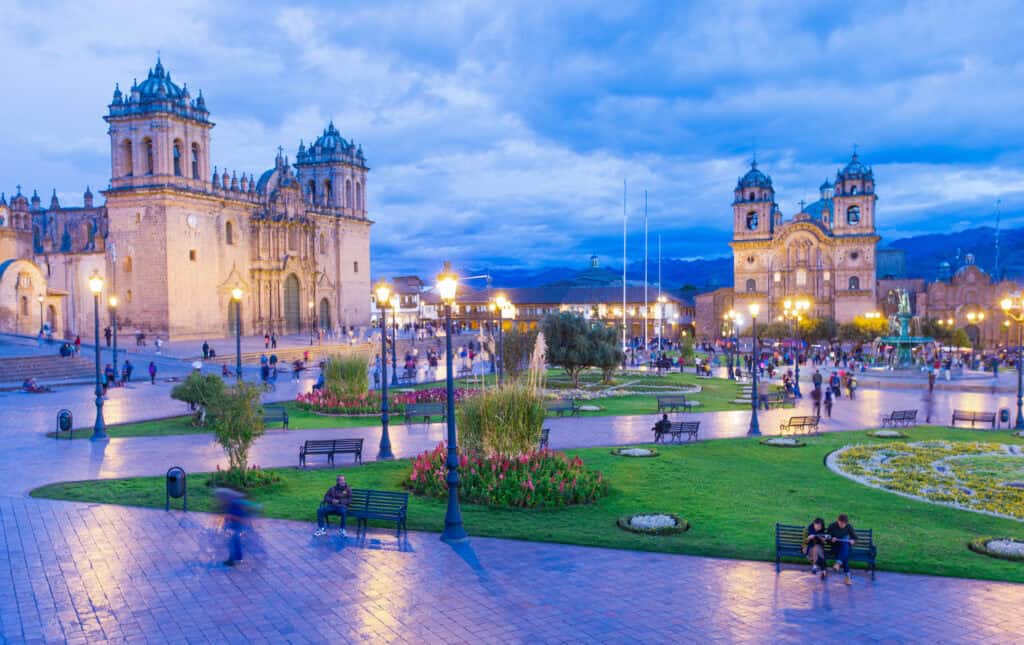
It is also one of the best places to start exploring, since many streets, shops, and sights are just a short walk away. Even if you pass through more than once, it still feels worth it because the atmosphere changes throughout the day. In the morning it feels calmer, while later on it becomes busier with both locals and visitors moving through the square.
The square is not only important because of its location, but also because it gives you a good sense of Cusco itself. You have old churches, mountain surroundings, local life, and travelers all in one place. It may seem like a simple stop at first, but Plaza de Armas is one of those places that naturally becomes part of your time in the city.
Visit San Pedro Market
San Pedro Market is one of the best places in Cusco to see a more local side of the city. It is busy, simple, and full of daily life, with rows of fruit, vegetables, fresh juices, bread, local meals, souvenirs, and small stalls selling all kinds of goods. It feels very different from the more polished parts of the historic center and gives you a better sense of how the city moves each day.
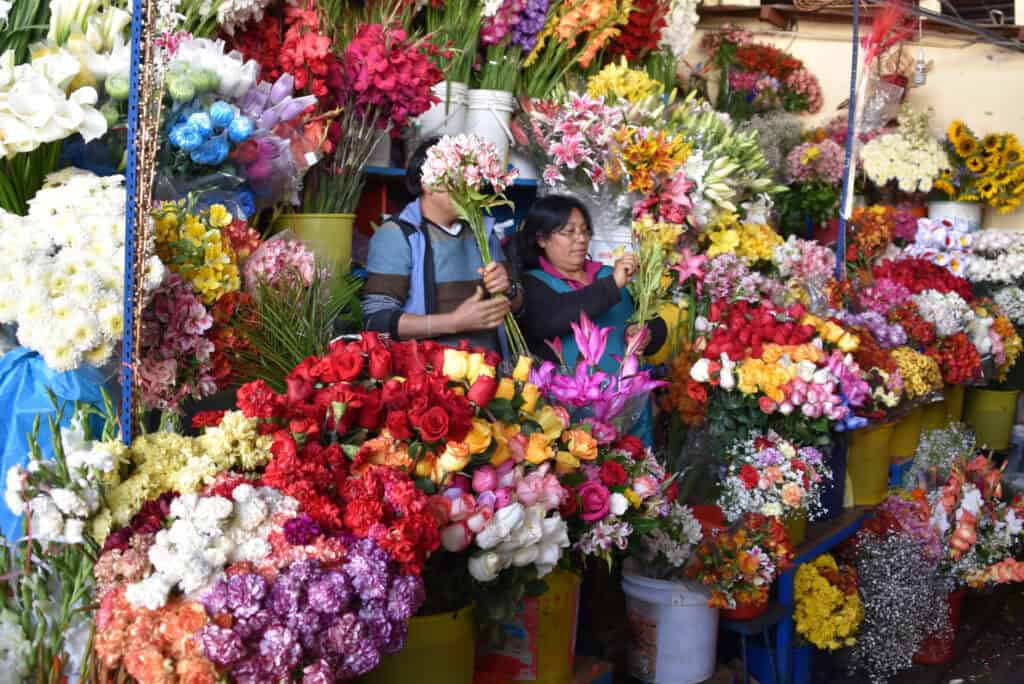
San Pedro Market is also an easy stop to add to your time in Cusco because it is close to the center. It does not need hours, but it is one of those places that adds something different to your trip and helps balance the more historic and tourist-focused sights in the city.
Walk through the San Blas neighborhood
San Blas is one of the best parts of Cusco to explore on foot. Just above the historic center, this area is known for its narrow streets, small cafés, local shops, and slower pace. It feels a little quieter than the main square, which makes it a nice place to wander for a while.
Walking through San Blas is less about ticking off major sights and more about enjoying the area itself. You can take your time, stop for a coffee, look in small stores, and follow the streets wherever they lead. The neighborhood has a more relaxed feel, and that is part of why many people enjoy it so much.
Because San Blas sits higher up, you also get a different view of Cusco as you walk around. It is a good area to explore when you want a break from the busier parts of the city while still staying close to the center.

Visit Sacsayhuamán
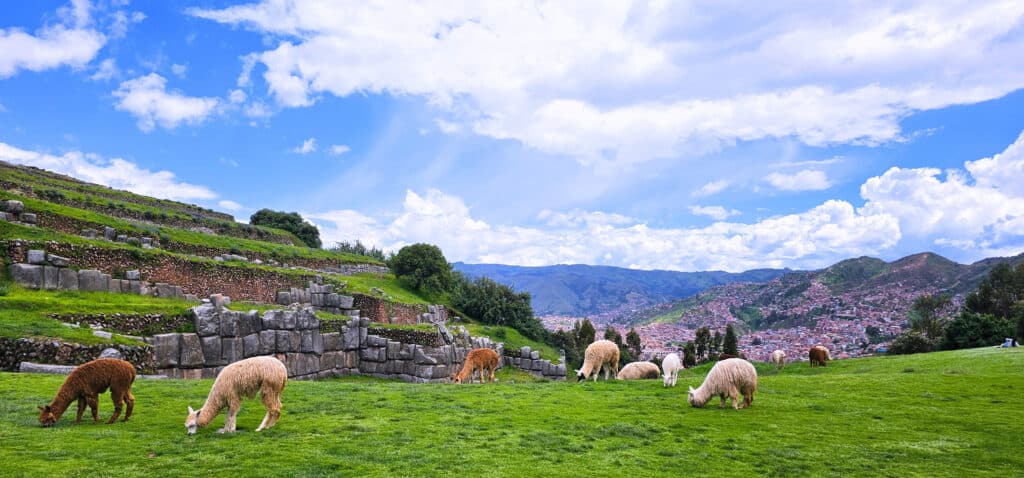
Sacsayhuamán is one of the most impressive places to visit in Cusco. Just above the city, this large Inca site is known for its huge stone walls, some of which are made from blocks so big that it is hard to believe how they were moved into place. It is one of those places that feels much more impressive in person than in photos.
A visit here also gives you a better understanding of Cusco’s Inca past. The site is not only important because of its history, but also because of the scale of the stonework and the way it was built. Walking around the ruins makes it easier to see how significant Cusco once was.
Another reason to visit Sacsayhuamán is the view back over the city. Since it sits on higher ground, it is a good place to look out over Cusco while exploring one of its most important historic sites. It is an easy place to add to your itinerary and one of the top stops in the city.
Try local food and cafés
Cusco is a great place to slow down and enjoy the food scene. Along with traditional Peruvian dishes, you will also find plenty of cafés, casual restaurants, and small places to stop throughout the day. Whether you want a full meal or just a coffee and something light, there are many good options across the city.
Trying local food is one of the easiest ways to get more out of your time in Cusco. You can go for classic dishes, warm soups, fresh juices, or simple set lunches, depending on where you eat. It is also a good place to try both traditional Andean flavors and more modern takes on Peruvian food.
The café scene is another reason this is worth adding to your time in Cusco. After walking through the city’s steep streets and spending time at the main sights, it is nice to have places where you can sit down, rest, and take your time. In areas like San Blas and the historic center, cafés are easy to find and fit naturally into a day of exploring.
Take a day trip to the Sacred Valley
A day trip to the Sacred Valley is one of the best things to do while staying in Cusco. This area is home to small towns, Inca sites, local markets, and wide mountain landscapes, giving you a very different experience from the city itself. It is an easy way to see more of the region without changing hotels.
Many travelers visit places like Pisac, Ollantaytambo, or Chinchero on a day trip, often combining a few stops in one day. Each place offers something different, whether that is ruins, traditional markets, or a town that still feels closely connected to local life in the valley. Even if you are already planning to go to Machu Picchu, the Sacred Valley is worth seeing on its own.
It is also a good option because the valley sits lower than Cusco, so it can feel a bit easier after spending time at high altitude in the city. If you have enough time in your itinerary, adding a day here helps you see more than just Cusco itself and gives your trip more variety.
Use Cusco as a base for Machu Picchu
Cusco is the main base for visiting Machu Picchu and, for most travelers, a necessary part of the trip. In almost all cases, you pass through Cusco before continuing to places like Ollantaytambo or Aguas Calientes, which are the usual starting points for reaching Machu Picchu. Because of that, Cusco is not just an extra stop. It is a key part of the route.
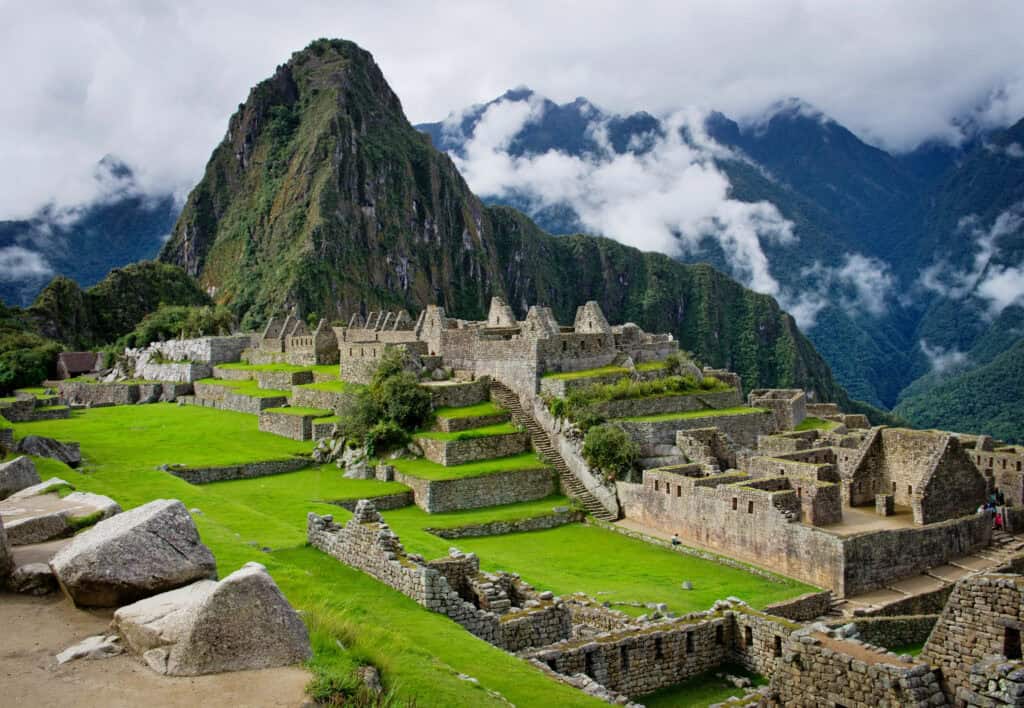
Staying in Cusco also gives you time to prepare properly before visiting Machu Picchu. You can sort out your train or transport, check your tickets, and get used to the altitude before moving on. This makes the trip feel much more manageable, especially since Machu Picchu usually takes more planning than other day trips in Peru.
Another reason Cusco works so well as a base is that it connects easily with other places nearby. Many travelers combine Machu Picchu with the Sacred Valley, Ollantaytambo, or a few days in Cusco itself. That makes the city more than just a place to pass through. It is the natural base for one of the most important parts of any Peru trip.
If you are also planning to visit Machu Picchu, make sure to read my Machu Picchu travel guide, where I explain tickets, circuits, how to get there, and what to know before you go.
Best Areas to Stay in Cusco
Historic Center: best for first-time visitors
The Historic Center is the best area to stay in Cusco if it is your first time in the city. This is where you will be close to many of the main sights, including Plaza de Armas, churches, museums, restaurants, cafés, and small shops. Staying here makes it easy to explore on foot without needing much transport.
It is also one of the safest and most convenient areas for visitors, especially in the parts around Plaza de Armas and the main streets nearby. Since it is such a central area, there are usually plenty of people around during the day and into the evening, which helps it feel comfortable for first-time travelers.
Another reason many people choose the Historic Center is that it gives you the full Cusco experience right outside your door. You can step out and start walking straight into the city’s most well-known area, while also having easy access to tours, transport, restaurants, and everything else you may need during your stay.
San Blas: best for charm and views
San Blas is a great area to stay in Cusco if you want a place with a quieter and more relaxed feel. It is known for its narrow streets, small cafés, local shops, and nice views over parts of the city. Compared with the busier Historic Center, San Blas often feels a little calmer while still being close to the main sights.
It is a good choice for travelers who enjoy walking around, stopping in small cafés, and staying in an area with a bit more character. You are still close enough to reach Plaza de Armas and the center fairly easily, but the neighborhood itself feels a little more removed from the busiest parts of Cusco.
The main downside is that San Blas sits higher up, so getting back to your hotel or hostel often means walking uphill from the center. That can feel tough, especially in Cusco’s altitude, and even short walks can take more effort than expected. Because of that, San Blas is a nice area to stay in, but it is not always the most practical choice for everyone.
Near San Pedro: best for budget travelers
The area near San Pedro Market is often a good choice for budget travelers looking for lower accommodation prices in Cusco. You can usually find more simple hotels, guesthouses, and hostels here compared with the Historic Center or San Blas, which makes it a practical option if you want to keep costs down.
It is also still within walking distance of the center, so you do not feel too far away from the main sights. San Pedro Market, local shops, and everyday city life are right nearby, which gives this area a more local feel than some of the more visitor-focused parts of Cusco.
The trade-off is that it feels less polished than the Historic Center and not as charming as San Blas. Some streets are busier, rougher around the edges, and can feel less comfortable at night, so it is a good idea to choose your exact stay carefully and check recent reviews before booking.
How to Get to Cusco
Flying to Cusco
Flying is the easiest and most common way to get to Cusco. Most travelers arrive through Alejandro Velasco Astete International Airport, which is located just a short drive from the city center. If you are coming from Lima, this is by far the fastest option and usually takes a little over one hour.
There are also domestic flights to Cusco from other cities in Peru, although Lima is the main connection point for most people. Once you arrive, getting into the city is simple. The airport is close enough that the transfer to your hotel or hostel usually does not take long, depending on traffic.
One thing to keep in mind is that flying straight into Cusco means arriving at high altitude right away. Because of that, many travelers prefer to take it easy on their first day, drink plenty of water, and avoid planning too much immediately after landing.
If you are starting your trip in the capital, read my Lima travel guide before heading to Cusco.
Getting to Cusco by bus
Getting to Cusco by bus is a slower option, but some travelers choose it if they want to save money or avoid flying. There are long-distance bus connections from cities such as Lima, Arequipa, and Puno, and several companies operate these routes.
If you take the bus, I recommend Cruz del Sur. I am not sponsored by them, but I have used this company many times myself and would highly recommend it. Their buses are comfortable, and the seats can recline a lot, which makes a big difference on longer journeys.
That said, bus travel to Cusco is not as reliable as flying. Delays and cancellations can happen, especially during bad weather, when landslides sometimes affect the roads. This is something to keep in mind if you are on a tight schedule or have other transport already booked.
The journey can also be very long. From Lima, it usually takes well over 20 hours, so it is not the most practical option for everyone. From cities closer to Cusco, such as Puno or Arequipa, the trip is shorter and more manageable.
If you are coming from Arequipa, it is worth spending a few days there first to explore the city and visit Colca Canyon before continuing to Cusco.
How to Get Around Cusco
Walking around the historic center
Walking is the best way to get around the historic center of Cusco. Most of the main sights, restaurants, cafés, shops, and plazas are close enough to reach on foot, so you often do not need any transport while exploring this part of the city.
It is also the best way to take in the city properly. Cusco’s center is full of narrow streets, old buildings, small corners, and places you would easily miss if you were moving around by car. Simply walking from one area to another is part of the experience.
Just keep in mind that Cusco is not always an easy city to walk in. Some streets are steep, the sidewalks can be uneven, and the altitude can make even short uphill walks feel more tiring than expected. Because of that, it is best to take your time and not plan to rush from place to place.
Using taxis in Cusco
Taxis are an easy way to get around Cusco, especially if you do not want to deal with the steep streets or the altitude. Around Plaza de Armas and the nearby center, you can usually find taxis on almost every corner, so getting one is rarely difficult.
If you take a regular taxi, make sure to agree on the price before getting into the car. Taxis in Cusco do not always use meters, so it is better to confirm the fare first to avoid confusion later.
Overall, Uber is the best option if it is available for your route. It is usually easier because the price is shown in advance, which makes the ride more straightforward and removes the need to negotiate.
Tours and transport for day trips
For places outside the city, such as the Sacred Valley, Rainbow Mountain, or nearby ruins, you will usually need extra transport or a tour. These trips are easy to arrange in Cusco, and you will find many travel agencies around the center offering day tours and transport options.
Joining a tour can be the easiest choice if you want everything arranged for you, especially for places that are farther away or harder to reach on your own. For simpler trips, you can also organize transport yourself, depending on where you want to go and how flexible you want your day to be.
If you book a tour around the main plaza, the starting point is often there as well. In many cases, hotel pick-up costs extra, so it is worth checking this before booking if you would rather start from your hotel or hostel.
Cusco works well as a base for day trips because there are so many options nearby. Just make sure to check what is included before booking, since some tours may cover transport only, while others also include a guide, entrance fees, or meals.
Best Time to Visit Cusco
Dry season vs rainy season
Cusco can be visited year-round, but the experience can feel quite different depending on the season. In general, the dry season is the most popular time to visit, while the rainy season comes with fewer crowds but less predictable weather.
The dry season, usually from around May to September, is the best time for travelers who want clearer days and better conditions for walking, day trips, and visiting places like Machu Picchu or the Sacred Valley. This is the busiest period in Cusco, so you can expect more visitors and often higher prices.
The rainy season, usually from around November to March, is less ideal for outdoor plans because showers can be frequent and sometimes heavy. Roads and trails can also be affected by the weather. Still, this time of year can feel a bit quieter, and the surrounding landscapes are usually greener.
The months in between can offer a balance between both seasons. If you want the best overall conditions, the dry season is usually the safer choice. If you do not mind some rain and want a calmer atmosphere, the rainy season can still work.
Best months for sightseeing
The best months for sightseeing in Cusco are usually May to September. This is the driest part of the year, so you have a better chance of clear days, better views, and easier conditions for walking around the city or taking day trips.
Among these months, May, June, July, and August are especially popular. The weather is often more stable, which makes it a good time for visiting places like Plaza de Armas, Sacsayhuamán, the Sacred Valley, and Machu Picchu.
If you want a balance between good weather and slightly fewer crowds, May and September are often some of the best months to go. They are still part of the drier season, but can feel a little less busy than the peak months in the middle.
Cusco Altitude and How to Adjust
How high is Cusco?
Cusco sits at around 3,400 meters above sea level (about 11,150 feet), which is high enough for many travelers to feel the effects of altitude, especially if they arrive from sea level or from a much lower place.
Because of that, it is completely normal to feel a bit different when you first arrive. Some people notice shortness of breath, tiredness, a mild headache, or that walking uphill feels harder than expected. Even people who are fit can feel it.
This is one of the main reasons why it is important not to rush your first day in Cusco. The city is beautiful and full of things to do, but the altitude is something you should take seriously when planning your time there.
Tips to acclimatize safely
The best way to adjust safely in Cusco is to take it easy when you first arrive. Try not to do too much on your first day, especially if you came from sea level. Resting, walking slowly, and giving your body time to adapt can make a big difference.
Many travelers in Cusco drink coca tea or use coca candies to help with the altitude. These are very common in Peru and easy to find in hotels, shops, and local markets. Some people find them helpful during the first days, especially for mild symptoms.
It is also a good idea to avoid alcohol, since it can make dehydration and altitude symptoms feel worse. The same goes for fatty or heavy meals, which can be harder on your body when you are still adjusting. Instead, try to eat lighter food, drink plenty of water, and stay well hydrated throughout the day.
If you want extra support, you can also find altitude pills in almost all pharmacies in Cusco. Many travelers buy them after arriving or bring them in advance if they already know they are sensitive to high altitude.
Useful Travel Tips for Cusco
Cash, cards, and ATMs
In Cusco, you can use both cash and cards, but it is still a good idea to carry some cash with you every day. Many hotels, restaurants, and larger shops accept cards, especially in the more touristy parts of the city. Still, smaller cafés, local markets, small stores, and some taxis may only take cash.
Having cash is especially useful for places like San Pedro Market, quick snacks, small purchases, tips, and transport. You do not need to carry a large amount, but keeping some Peruvian soles on hand makes things much easier.
ATMs are easy to find in Cusco, especially around the historic center and near Plaza de Armas. Even so, it is smart to avoid relying on only one card in case of ATM issues, limits, or bank blocks. Using a mix of cash and card is usually the easiest way to manage money while you are there.
It is also a good idea to bring cash on day trips and tours. Along the way, there are often small roadside stops where you can buy snacks, drinks, or other simple things, and these places usually only accept cash.
Is Cusco safe?
Cusco is generally considered one of the safer places to visit in Peru for travelers, especially in the main tourist areas, but it is still important to stay careful. Official travel advice notes that crime does happen in Cusco, with petty theft being a common issue, especially in public places, hotels, restaurants, and busy areas. The risk also tends to be higher at night.
For most visitors, Cusco feels manageable if you use normal precautions. Staying in well-known areas, keeping your belongings close, avoiding quiet streets late at night, and not showing valuables too openly already makes a big difference. Using apps like Uber or arranged taxis is also the safer choice over random street taxis.
Avoiding scams and tourist mistakes
Cusco is a place where most trips go smoothly, but there are still a few common mistakes and small scams that travelers should watch out for. One of the easiest ways to avoid problems is to slow down, check prices in advance, and not agree to things too quickly when someone approaches you on the street.
A common mistake is getting into a taxi without agreeing on the price first. If you are not using Uber, always confirm the fare before the ride starts. The same goes for tours. There are many agencies in Cusco, especially around the main square, so it is worth comparing a few options and checking exactly what is included before paying.
Another thing to watch for is paying too much in very touristy areas without realizing it. This can happen with souvenirs, transport, or tours. It does not mean everyone is trying to scam you, but prices are not always consistent, so asking once or twice before buying can help.
One thing to watch out for around Plaza de Armas is people walking around with folders of drawings or paintings who may start talking to tourists and then offer drugs. The easiest thing to do is ignore them, say no, and keep walking. It is best not to engage, even if they first seem like they are trying to sell art.
Cusco Food Guide: What to Eat
Traditional dishes to try
Cusco is a good place to try food that feels more connected to the Andes and the local region. If you want something more specific to Cusco, there are a few dishes worth looking out for.
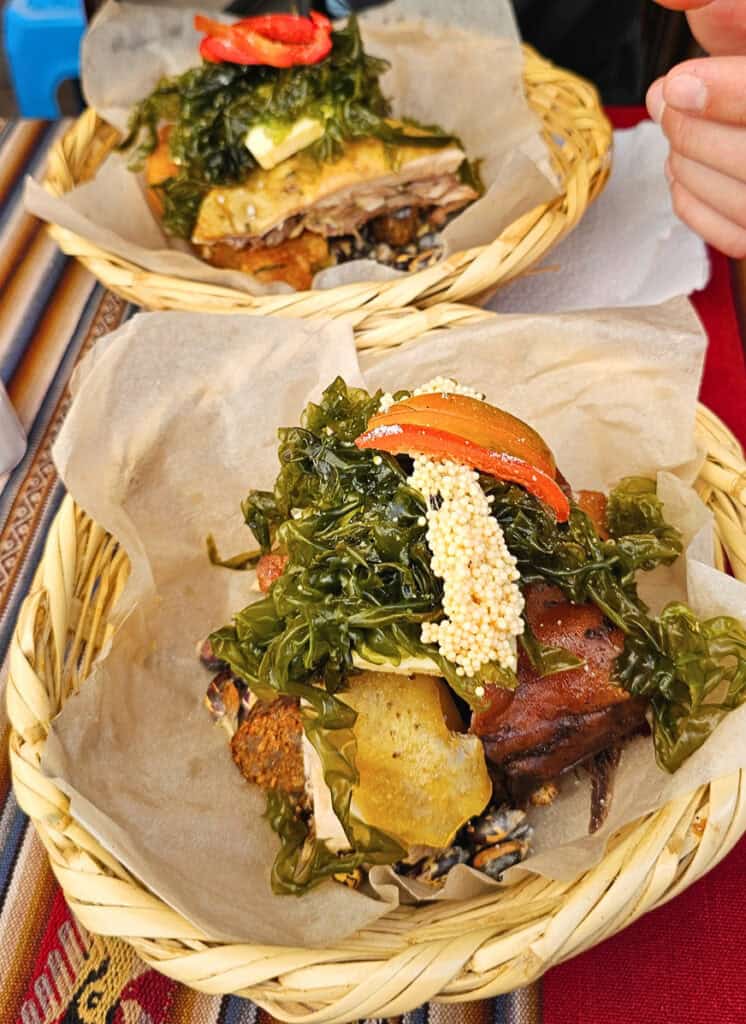
One of the best-known is cuy, or guinea pig, which is a traditional dish in the region. Another common local option is alpaca, often served as steak or in other meat dishes. You may also come across chiri uchu, a more traditional Cusco dish linked to local festivals.
Along with these, Cusco is also a good place to try Andean soups, corn, potatoes, and trout.
Cusco Itinerary Idea
3-day Cusco itinerary
If you only have 3 days in Cusco, I would keep the plan simple and realistic. Since the city sits at high altitude, your arrival day should be slower so your body has time to adjust. With 3 days, you can still see the main highlights, but it will be a fairly packed trip.
Day 1: Arrival Day
Keep your first day easy and focus on Cusco itself. A good plan is to visit San Pedro Market, Sacsayhuamán, San Blas, and Plaza de Armas. Try not to rush, especially if you have just landed. Cusco’s altitude can hit harder than expected, so this is the day to walk slowly, rest when needed, and ease into the city.
Day 2: Full Day Machu Picchu Tour
Your second day is best used for a full day trip to Machu Picchu, which is the main highlight for many travelers and one of the absolute must-sees in Peru. It is usually a long day, so it makes sense to keep the rest of your itinerary lighter around it.
Day 3: Full Day Sacred Valley Tour
If you have a full third day, I would use it for a Sacred Valley tour. This is one of the best day trips from Cusco and a great way to see more of the region beyond the city. It also gives your trip more variety, with small towns, Inca sites, and mountain views.
4-day Cusco itinerary
If you have 4 days in Cusco, the trip starts to feel much better balanced. You have a bit more time to adjust to the altitude, explore the city itself, and add a few of the main day trips without rushing everything into a very short stay.
Day 1: Arrival Day
Keep your first day slower and focus on Cusco itself. A good plan is to visit San Pedro Market, Sacsayhuamán, San Blas, and Plaza de Armas. Take your time, walk slowly, and do not plan too much too fast while adjusting to the altitude.
Day 2: Full Day Machu Picchu Tour
Use your second day for a full day trip to Machu Picchu. For most travelers, this is the main highlight and one of the biggest reasons to visit the Cusco region in the first place.
Day 3: Full Day Sacred Valley Tour
Spend day three exploring the Sacred Valley, one of the best day trips from Cusco. It adds a different side of the region to your trip, with small towns, ruins, and more time outside the city.
Day 4: Rainbow Mountain Hike
If you still have a full fourth day, you can add the Rainbow Mountain hike. This is one of the most popular day trips from Cusco, but also one of the most physically demanding because of the altitude. The day starts extremely early and can feel surprisingly difficult if you are not fully adjusted yet. If you want to know what the hike is really like, you can also read my complete Rainbow Mountain Peru guide with preparation tips, packing advice, and my personal experience doing the hike.
5-day Cusco itinerary
If you have 5 days in Cusco, the trip feels much more comfortable. You have enough time to adjust better to the altitude, enjoy the city itself, and fit in the main day trips without making everything feel rushed. For most people, 5 days is the ideal amount of time in Cusco.
Day 1: Arrival Day
Keep your first day easy and focus on Cusco itself. Visit San Pedro Market, Sacsayhuamán, San Blas, and Plaza de Armas at a slow pace. This is the best day to take it easy, drink water, and let your body adjust to the altitude.
Day 2: Full Day Machu Picchu Tour
Spend your second day on a full day trip to Machu Picchu. This is the must-see highlight of the region and one of the main reasons most people come to Cusco.
Day 3: Full Day Sacred Valley Tour
Use day three for a Sacred Valley tour. This is one of the best day trips from Cusco and gives you the chance to see more of the region beyond the city itself.
Day 4: Rainbow Mountain Hike
On day four, you can do the Rainbow Mountain hike. It is a long and tiring day because of the early start and the high altitude, but for many travelers it is one of the most memorable trips from Cusco.
Day 5: Extra Day in Cusco or Another Day Trip
Use your last day to enjoy Cusco at a slower pace, with more time for cafés, shopping, and walking around the city. But if you still have the energy and want to see more, you can also use this day for another trip. Good options include Humantay Lake, the South Valley, the Maras salt mines and Moray, or the Seven Lakes of Ausangate. This extra day gives you more freedom and makes the whole itinerary feel much better balanced.
Cusco is one of the best places to visit in Peru if you want history, day trips, local food, and access to Machu Picchu all in one place. If you have the time, stay at least 4 to 5 days to enjoy it properly.