Introduction
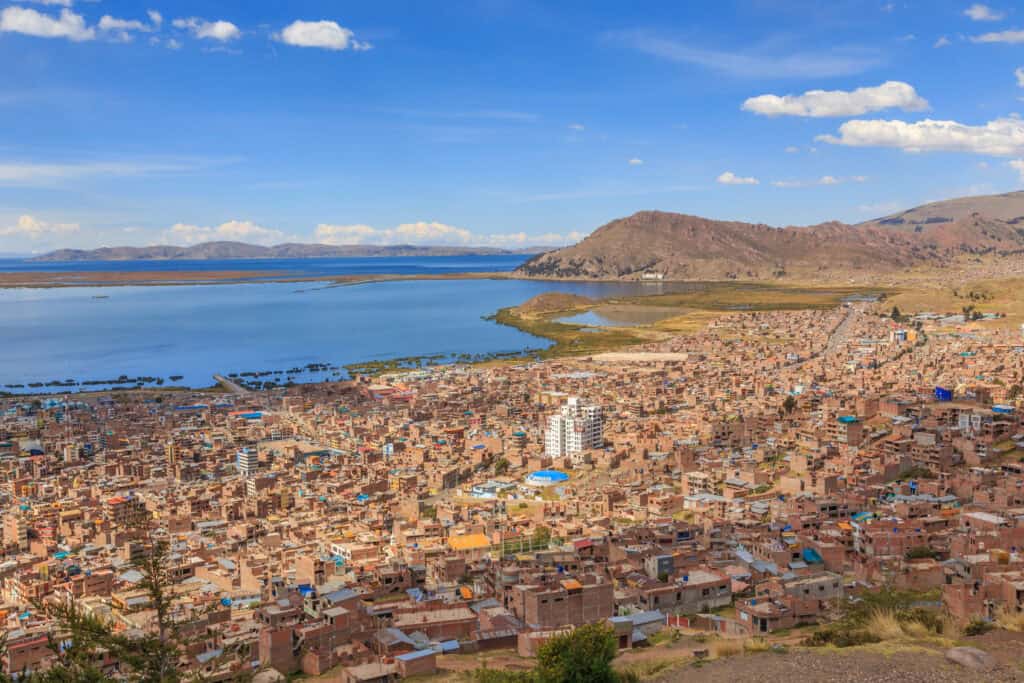
Puno is one of the most popular places to visit in southern Peru, mainly because it sits on the shores of Lake Titicaca, the highest navigable lake in the world.
Many travelers pass through Puno on their way between Cusco and Bolivia, but the city is much more than just a transport stop. It is the gateway to Lake Titicaca, home to the famous Uros Floating Islands, traditional Andean culture, and some of the most unique experiences in Peru.
While Puno Peru itself is not as beautiful as cities like Cusco or Arequipa, the surrounding area is what makes it worth visiting. Exploring the lake, visiting local island communities, and learning about the traditions of the region offer a very different side of Peru.
In this Puno Peru travel guide, I will share the best things to do, where to stay, how many days you need, how to get there, and important tips about altitude, safety, and planning your visit.
Why Visit Puno?
Many travelers focus on destinations like Cusco, Arequipa, and Machu Picchu, but Puno offers a side of Peru that feels completely different.
The region is known for its strong indigenous traditions, unique communities on Lake Titicaca, and a way of life that has changed little over generations. Visiting Puno is less about famous landmarks and more about experiencing local culture and spending time around one of the most interesting natural areas in South America.
Another reason to visit is its location. Puno fits naturally into many Peru itineraries and is also a popular stop for travelers crossing between Peru and Bolivia. Even if you only stay for a couple of days, it offers experiences that you will not find elsewhere in the country.
If you are interested in local culture, traditional communities, and exploring Lake Titicaca, Puno is well worth adding to your Peru itinerary.
Best Things to Do in Puno
Visit the Uros Floating Islands
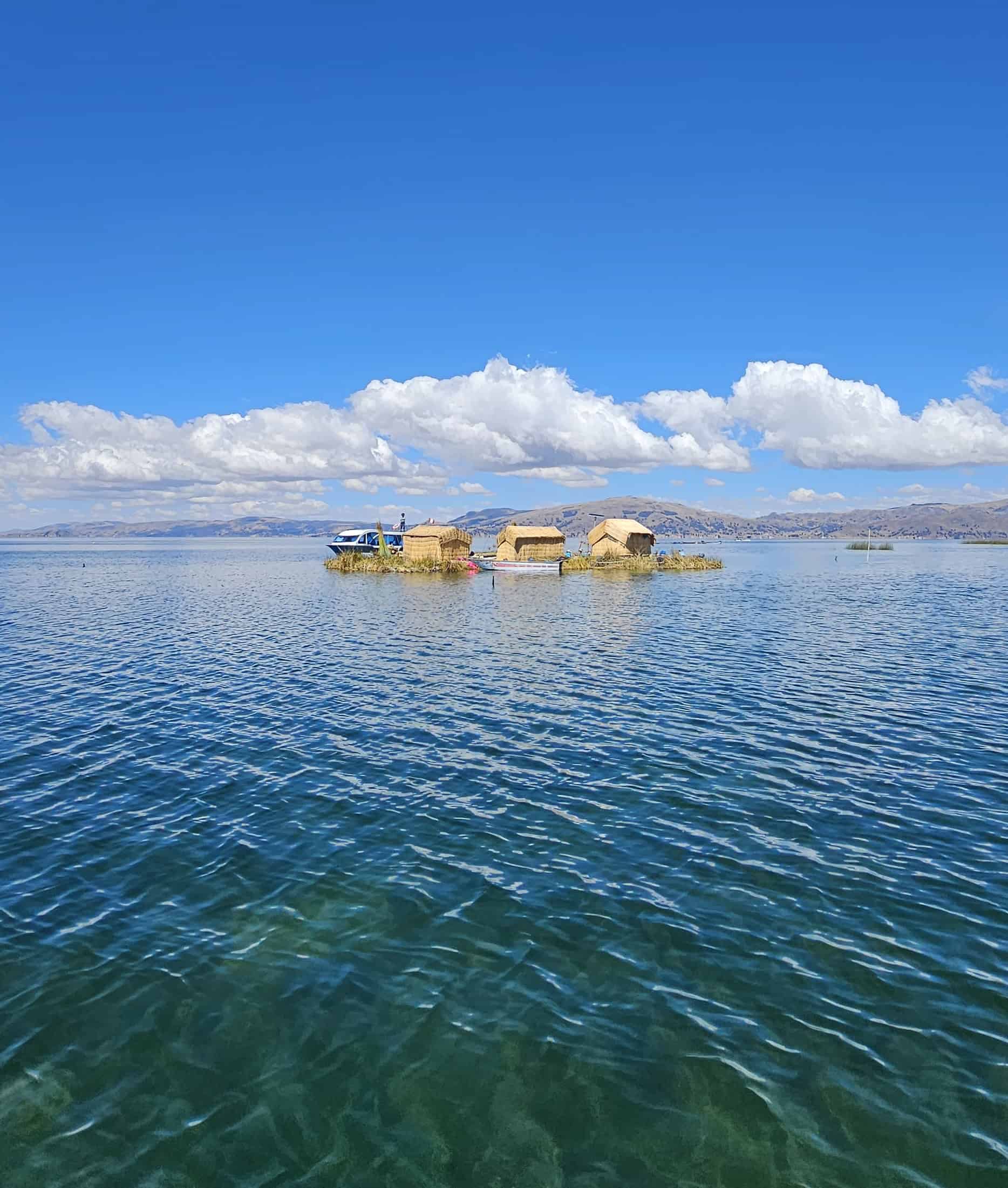
The Uros Floating Islands are the most famous attraction near Puno and one of the main reasons travelers visit the region.
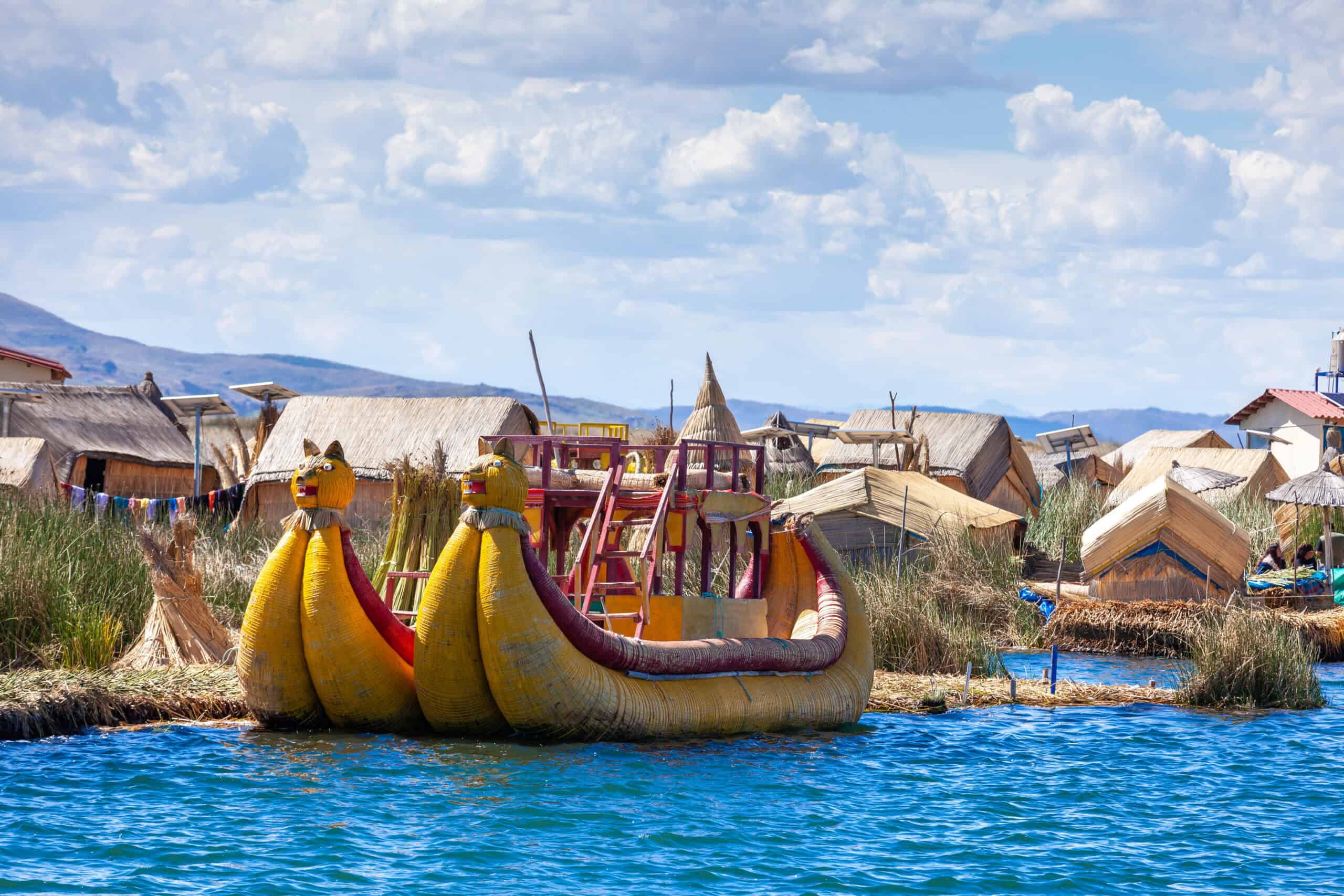
Located on Lake Titicaca, these man-made islands are built entirely from totora reeds that grow naturally in the lake. The local Uros people have lived on these floating islands for generations and continue to maintain them by regularly adding new layers of reeds.
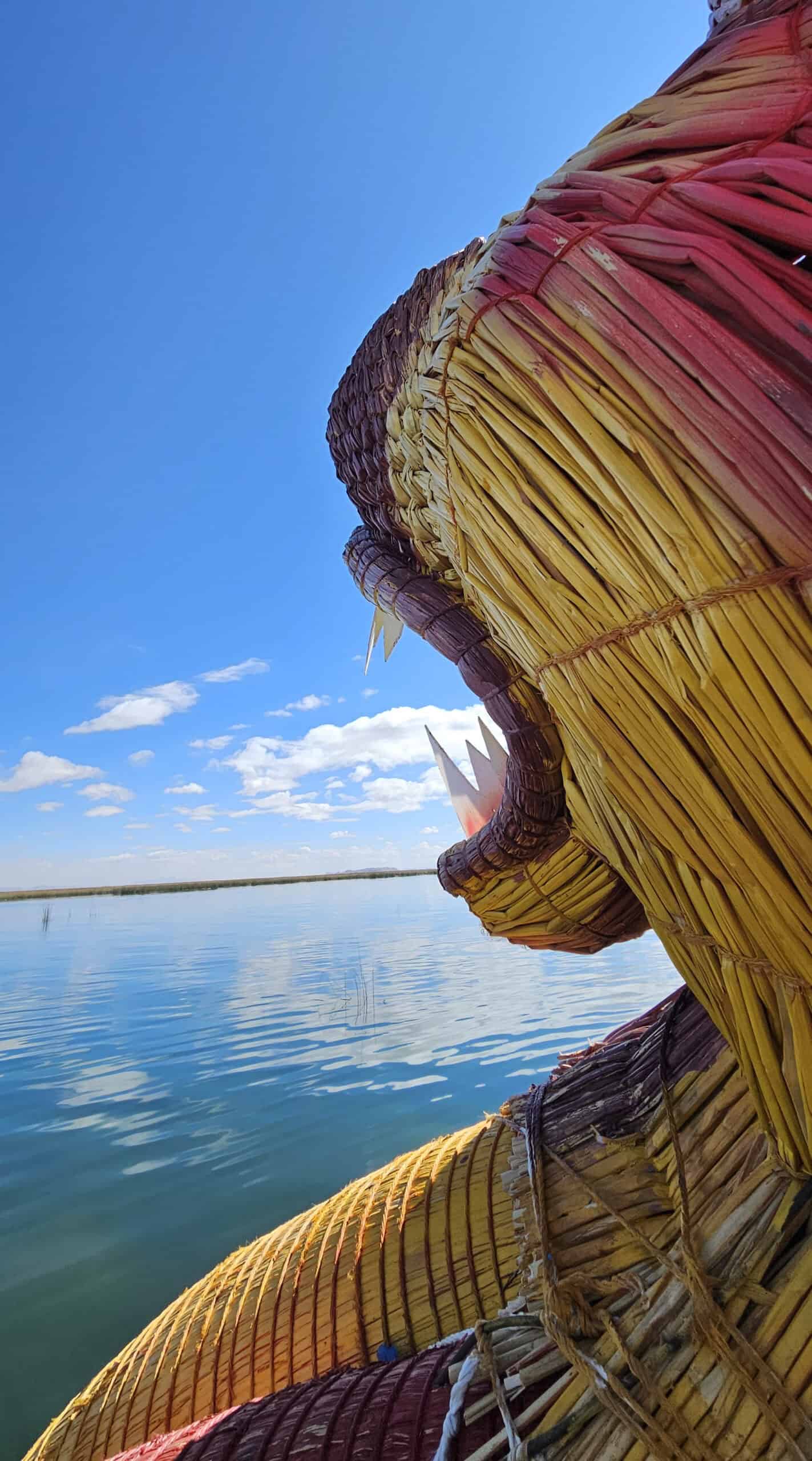
Most tours from Puno include a visit to one or more of the islands, where you can learn about their history, see how the islands are constructed, and get a glimpse into daily life on the lake. Some tours also offer short rides on traditional reed boats for an additional fee.
The islands can be visited in just a few hours, making them one of the easiest day trips from Puno. While they have become a popular tourist attraction, they remain one of the most unique places to visit in Peru and are well worth seeing during your time in Puno.
Visit Taquile Island
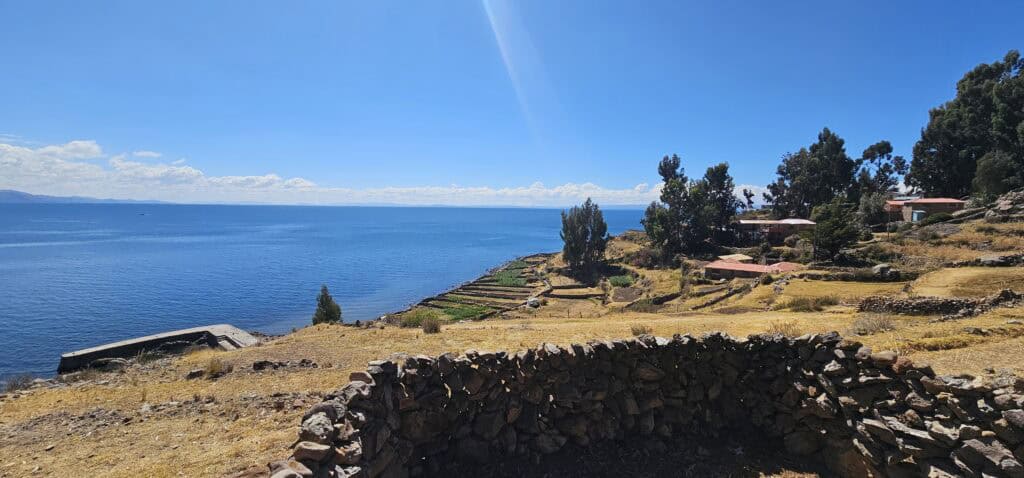
Taquile Island is one of the most popular day trips from Puno and offers a very different experience from the Uros Floating Islands.
Located on Lake Titicaca, the island is known for its traditional way of life, beautiful lake views, and strong local culture. The people of Taquile still preserve many of their customs, and the island has become famous for its textile traditions, which have been recognized by UNESCO.
Most visitors arrive by boat from Puno and spend a few hours exploring the island on foot. There are no cars, and much of the visit involves walking along stone paths and enjoying views across Lake Titicaca. Along the way, you can visit small local shops, learn about the island’s traditions, and enjoy a meal prepared by local families.
Because of its peaceful atmosphere and cultural significance, many travelers consider Taquile Island one of the highlights of a visit to Puno
Explore Lake Titicaca
Lake Titicaca is the main reason most travelers visit Puno. Exploring the lake gives you the chance to see traditional island communities, enjoy views of the Andes, and experience one of the most unique landscapes in Peru.
Many tours combine the Uros Floating Islands and Taquile Island into a single day trip. These tours take you across the lake by boat, allowing you to visit multiple islands while learning about the history and culture of the people who live there.
There are also other ways to explore Lake Titicaca. Some travelers choose longer tours that include additional islands such as Amantani, while others stay overnight with local families for a more immersive experience. Kayaking tours are also available for those who want to see the lake from a different perspective.
While exploring the lake, keep an eye out for local wildlife. The area is home to several bird species, including Andean gulls, grebes, and various waterfowl that can often be seen near the shoreline and around the islands. If you are lucky, you may also spot the giant Titicaca water frog, a species found only in the Lake Titicaca region.

Whether you join a guided tour or spend a few days exploring different islands, a trip onto Lake Titicaca is an essential part of visiting Puno.
If you only have one day in Puno, I recommend joining a Lake Titicaca tour that combines the Uros Floating Islands and Taquile Island. It is the easiest way to experience the highlights of the lake while learning more about the local communities and traditions.
If you book through the link below, I may earn a small commission at no extra cost to you.
Visit Plaza de Armas
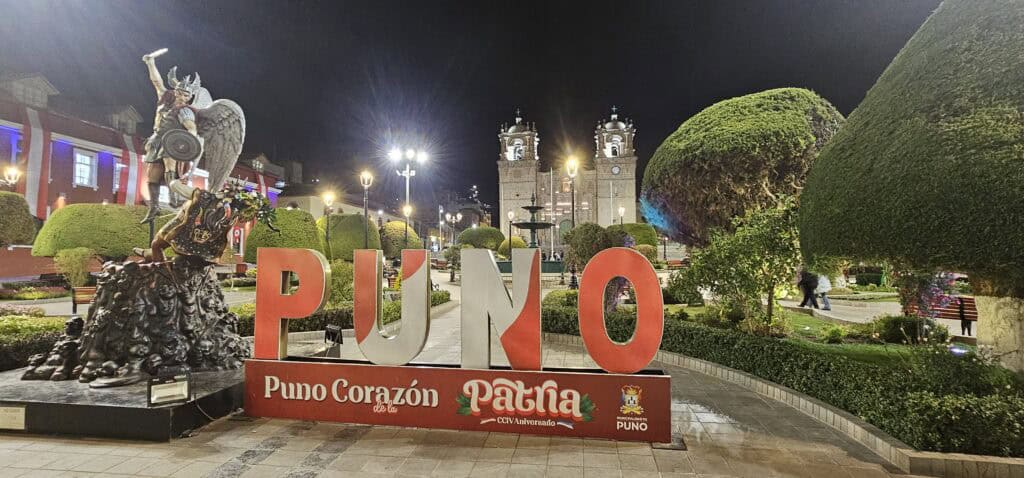
Puno’s Plaza de Armas is the main square of the city and a good place to spend some time while exploring the center.
Like many cities in Peru, the square is surrounded by historic buildings, restaurants, cafés, and small shops. It is also home to the Puno Cathedral, one of the city’s most important landmarks. Built in the 18th century, the cathedral stands out for its impressive stone facade and colonial architecture.
During the day, the square is a popular meeting place for both locals and visitors. It is a good spot to take a break, enjoy a coffee, or simply watch daily life unfold around you. In the evenings, the area becomes more lively as people gather in the square and the surrounding streets.
While Plaza de Armas is not a major attraction on its own, it is worth visiting to get a feel for the city and serves as a convenient starting point for exploring Puno.
Visit Sillustani
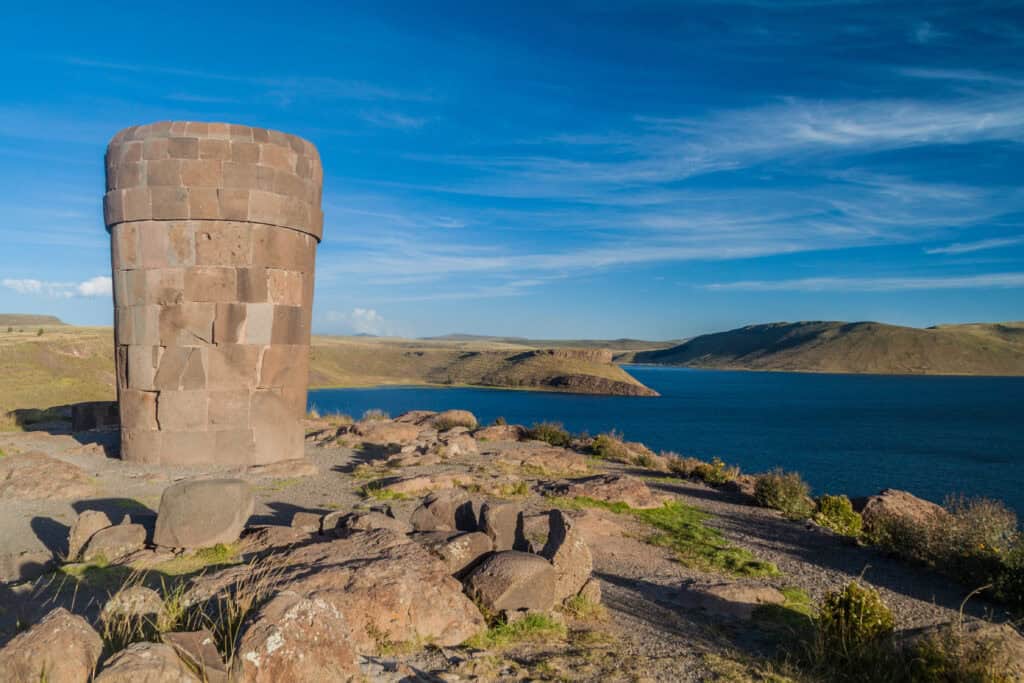
Located about 35 kilometers (22 miles) from Puno, Sillustani is one of the most interesting archaeological sites in the region and an easy half-day trip from the city.
The site is best known for its large stone burial towers, known as chullpas, which were built by the Colla people and later used by the Incas. Some of these towers reach heights of more than 10 meters (33 feet) and have stood for centuries overlooking the surrounding landscape.
Beyond the archaeological importance, many visitors come for the scenery. Sillustani sits on a peninsula surrounded by Lake Umayo, creating a peaceful setting that feels very different from the busy center of Puno. The combination of ancient ruins, rolling hills, and lake views makes it one of the most photogenic places in the area.
Most tours from Puno take two to four hours and can easily be combined with the other attractions around Lake Titicaca. If you have an extra half day in Puno, Sillustani is well worth adding to your itinerary.
If you book through the link below, I may earn a small commission at no extra cost to you.
Visit the Mercado de las Brujas
One of the more unusual places to visit in Puno is the Mercado de las Brujas, also known as the Witches’ Market.
Here, local vendors sell traditional herbs, medicinal plants, amulets, and items used in Andean spiritual ceremonies. The market offers an interesting glimpse into beliefs and customs that have been part of life in the Andes for centuries and continue to be practiced by some communities today.
Even if you are not interested in spirituality, the market is worth a short visit simply because it is so different from a typical tourist attraction. Walking through the stalls gives you the chance to see products that are rarely found elsewhere and learn more about local traditions.
The market can easily be visited while exploring the center of Puno and is a good stop for travelers who want to experience a different side of the city’s culture.
Where to Stay in Puno
Most travelers stay near the center of Puno, where you will be within walking distance of Plaza de Armas, restaurants, tour agencies, and the main attractions in the city. This area is also the most convenient base for joining tours to Lake Titicaca and the surrounding islands.
If you only plan to spend one or two nights in Puno, staying near the city center is usually the best choice. It makes it easy to explore the city on foot and organize transportation to the port for lake tours.
Travelers looking for a quieter experience may prefer hotels located along the shores of Lake Titicaca. These properties often offer beautiful views of the lake and a more relaxed atmosphere, although they are usually farther from the city center and may require a taxi to reach restaurants and attractions.
No matter where you stay, remember that Puno sits at over 3,800 meters (12,500 feet) above sea level. Taking it easy during your first day and choosing accommodation with heating can make your stay much more comfortable, especially during the colder months.
How Many Days in Puno?
Most travelers spend one or two nights in Puno, but I think three nights is the ideal amount of time if your schedule allows it.
Puno sits at more than 3,800 meters (12,500 feet) above sea level, so your first day is best spent taking it easy and allowing your body to adjust to the altitude. You can explore the city center, walk around Plaza de Armas, browse the souvenir shops, and enjoy a relaxed dinner before a full day of sightseeing.
Your second day is a great opportunity to explore Lake Titicaca. Many travelers join a full-day tour that includes the Uros Floating Islands and Taquile Island. These tours often last most of the day, making it difficult to continue traveling immediately afterward.
For that reason, leaving on day three works well for most itineraries. You can enjoy a relaxed morning before continuing your trip to your next destination.
If you have extra time, consider adding another day in Puno. This gives you the chance to visit places such as Sillustani or spend a night on one of the islands in Lake Titicaca. Several tours offer homestay experiences where you stay with a local family, providing a more authentic look at life on the lake.
For travelers looking for a more authentic experience, some tours include an overnight stay with a local family on one of the islands. This gives you the chance to learn more about daily life on Lake Titicaca and experience the region beyond a standard day trip.
If you book through the link below, I may earn a small commission at no extra cost to you.
While there are enough activities to fill a few days, most travelers do not stay longer than three or four nights before continuing their journey through Peru or Bolivia.
Best Time to Visit Puno?
Puno can be visited year-round, but the best time to visit is during the dry season from May to September. During these months, you can expect mostly sunny days, clear skies, and better conditions for exploring Lake Titicaca and the surrounding islands.
The dry season is also the most popular time to visit, especially between June and August when many travelers include Puno in their Peru itinerary. While daytime temperatures are usually pleasant, nights can be very cold due to the high altitude, so bringing warm clothing is essential.
The rainy season runs from November to March. Rain showers are more common during this period, although travel is still possible and many days remain partly sunny. The surrounding landscape is often greener, and there are generally fewer tourists compared to the peak dry-season months.
No matter when you visit, one thing to keep in mind is the altitude. At more than 3,800 meters (12,500 feet) above sea level, temperatures can change quickly throughout the day. Dressing in layers is usually the best way to stay comfortable while exploring Puno and Lake Titicaca.
Altitude in Puno: What You Need to Know
Puno sits at an altitude of approximately 3,800 meters (12,500 feet) above sea level, making it one of the highest cities that most travelers visit in Peru. At this elevation, the air contains significantly less oxygen than at sea level, and some visitors may experience symptoms of altitude sickness.
Fortunately, many travelers arrive in Puno after spending time in Cusco, Arequipa, or Bolivia, which means their bodies have already started adjusting to the altitude. Even so, it is still important to take the altitude seriously and come prepared.
One of the best things you can do is take it easy during your first day in Puno. Avoid intense physical activity, drink plenty of water, and stick to lighter meals until your body has fully adjusted. It is also recommended to avoid alcohol during your first day or two, as it can make altitude symptoms worse.
If you are concerned about altitude sickness, pharmacies in Peru sell medication that can help reduce symptoms. You will also find oxygen shots available in some shops, hotels, and tourist areas. While these can provide temporary relief, proper acclimatization remains the most effective solution.
Most visitors experience only mild symptoms, such as shortness of breath when walking uphill, a slight headache, or feeling tired more quickly than usual. By staying hydrated, eating light meals, and giving your body time to adjust, most travelers are able to enjoy Puno without any major problems.
How to Get to Puno
From Cusco
The most common way to reach Puno from Cusco is by bus. The journey takes around 7 to 8 hours and several companies operate daily services between the two cities.
For most travelers, an overnight bus is the most practical option. You save a night of accommodation and arrive in Puno early the next morning. Companies such as Cruz del Sur aoffer comfortable seats that recline significantly, making the journey more manageable.
Another popular option is the scenic train operated by PeruRail. The journey takes longer and is considerably more expensive than the bus, but it offers impressive views of the Andes along the way. For travelers looking for a more unique experience, it can be one of the most memorable train rides in Peru.
There are also tourist buses that stop at attractions between Cusco and Puno, including Andahuaylillas, Raqchi, and La Raya Pass. These services take most of the day but allow you to turn the journey itself into a sightseeing experience.
Puno has a large bus terminal with connections to destinations across Peru and Bolivia, and you will find plenty of bus operators offering services to Cusco. Even so, it is a good idea to book your tickets in advance, especially during the peak travel season between June and August when the most popular departures can sell out quickly.
No matter which option you choose, keep in mind that both Cusco and Puno are located at high altitude. Most travelers have already spent a few days in Cusco before making the journey, which helps with the adjustment to Puno’s elevation.
If you are still planning your time there, check out my Cusco Travel Guide.
From Arequipa
Traveling from Arequipa to Puno is straightforward and can be done by either bus or private transport. The journey takes approximately 6 to 7 hours, making it one of the most common routes for travelers exploring southern Peru.
The bus is by far the most popular option. Several companies operate daily services between the two cities, with both daytime and overnight departures available. The route passes through the Andean highlands and offers views of wide open landscapes, small villages, and occasionally wildlife such as vicuñas along the way.
Like Cusco, Arequipa has a large bus terminal with multiple operators serving the Puno route. During the busiest travel months, especially from June to August, it is worth booking your ticket a few days in advance to secure your preferred departure time.
Many travelers choose to visit Arequipa before Puno because the city sits at a lower altitude of around 2,300 meters (7,500 feet). Spending a few days there can help your body gradually adjust before continuing to the much higher elevation of Puno and Lake Titicaca.
Before heading to Puno, many travelers spend a few days exploring Arequipa. Read my Arequipa Travel Guide to plan your visit.
From Bolivia
Many travelers continue their journey from Puno to Bolivia, with La Paz and Copacabana being the most popular destinations. To do this, you will need to cross the Peru–Bolivia border, which adds a few extra steps compared to domestic travel.
While it is possible to make the journey independently by public bus, the process can be a bit complicated for first-time visitors. Depending on the route, you may need to leave the bus, complete immigration procedures, and continue your journey on the other side of the border. If you are traveling to La Paz via Copacabana, you will also need to cross the Strait of Tiquina by boat before continuing by road.
For this reason, I recommend booking a tourist bus or guided transfer rather than arranging everything yourself. Companies such as Bolivia Hop and other tourist operators run daily services between Puno and Bolivia, with guides who help passengers through the border process and explain each step along the way. This makes the journey much less stressful, especially if you do not speak Spanish.
Another important thing to know is that border crossings are generally handled during daytime hours, with most immigration offices operating roughly between 8:00 AM and 6:00 PM. Because of this, most tourist services run during the day rather than at night.
Although the trip requires a little more planning than traveling within Peru, thousands of travelers make the journey every year. With the right bus company or tour operator, crossing from Puno to Bolivia is usually a smooth and straightforward experience.
Is Puno Safe?
Yes, Puno is generally considered safe for tourists, and most travelers visit the city without experiencing any problems. The areas around Plaza de Armas, the city center, and the main tourist attractions are usually busy and feel safe during the day.
Like anywhere in Peru, it is important to take normal precautions. Keep an eye on your belongings in crowded areas, avoid displaying expensive items, and be aware of your surroundings when using public transport or visiting busy markets.
At night, it is best to stick to well-lit streets and use a taxi if you need to travel longer distances. While violent crime against tourists is uncommon, petty theft and pickpocketing can occur, particularly in crowded areas and bus terminals.
Many travelers only spend a few days in Puno before continuing to other destinations, and for most people the biggest challenge is actually the altitude rather than safety. As long as you use common sense and take the same precautions you would in any unfamiliar city, Puno is generally a safe place to visit.
Final Thoughts
Puno may not be as famous as Cusco or as beautiful as Arequipa, but it offers experiences that you simply cannot find elsewhere in Peru.
For most travelers, the main highlight is Lake Titicaca. Visiting the floating islands, exploring traditional communities, and spending time on the highest navigable lake in the world makes Puno a unique stop on any Peru itinerary.
While the city itself is relatively small, it serves as an excellent base for exploring the surrounding region. Whether you are traveling through southern Peru, heading to Bolivia, or simply looking to experience a different side of the country, Puno is well worth adding to your trip.
If you plan your visit well, allow time to adjust to the altitude, and spend at least a couple of days exploring the lake, Puno can easily become one of the most memorable stops during your time in Peru.
If you are planning a larger trip through Peru, be sure to read my Peru Travel Guide for a complete overview of the country’s top destinations.