Why Visit Paracas?
What Makes Paracas Special?
When most people think of Peru, they think of mountains, Inca ruins, and Machu Picchu. Paracas is completely different.
Located a few hours south of Lima, this small town is known for the Ballestas Islands, where you can see sea lions, penguins, and thousands of seabirds living just off the coast. It is also the gateway to Paracas National Reserve, one of the most visited natural areas in Peru.
There is not a huge amount to do here, and many travelers only stay for one day or one night. However, because it sits directly on the route between Lima, Huacachina, and Arequipa, Paracas is an easy and worthwhile stop on almost any Peru itinerary.
Is Paracas Worth Visiting?
Yes, Paracas is definitely worth visiting, especially if you are traveling between Lima and southern Peru.
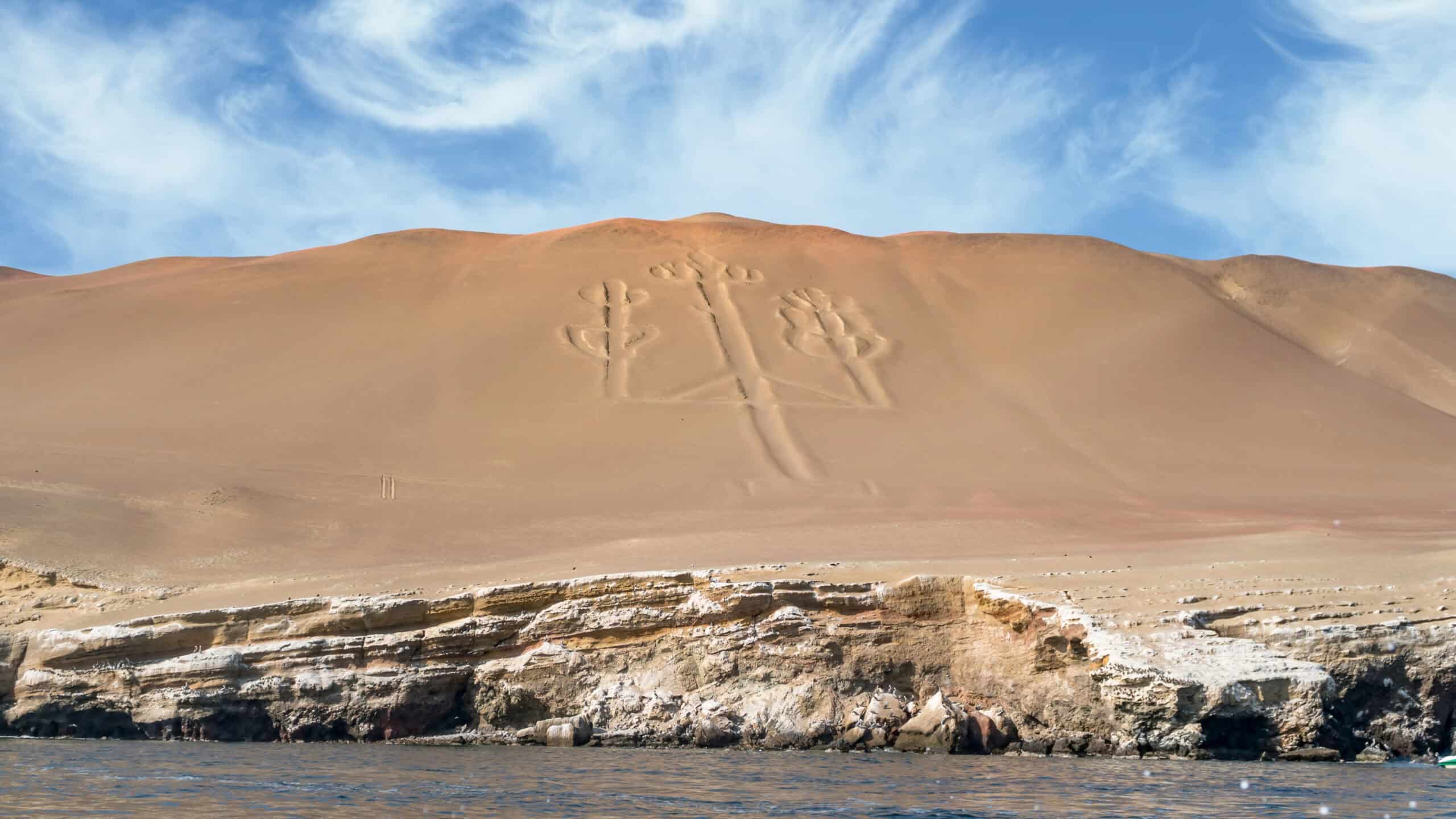
What makes Paracas different from many other destinations in Peru is the combination of wildlife and the surrounding landscape. A short boat trip to the Ballestas Islands gives you the chance to see large colonies of sea lions, Humboldt penguins, and countless seabirds. Along the way, you can also spot the Candelabra, a giant geoglyph carved into a hillside that is often compared to the Nazca Lines.
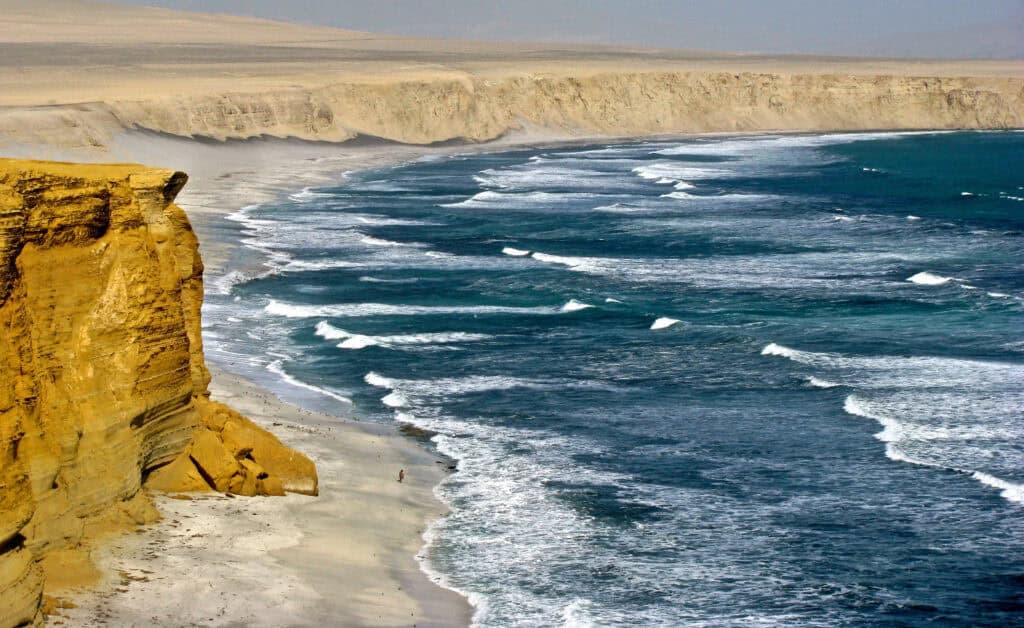
Paracas is also home to Paracas National Reserve, where the desert meets the Pacific Ocean. The area is popular for sightseeing, and some tours also include activities such as dune buggy rides.
Since Paracas sits directly on the route between Lima, Huacachina, and Arequipa, it is an easy destination to add to your itinerary. Even if you only have one day, it is a stop that many travelers are glad they made.
Best Things to Do in Paracas
Visit the Ballestas Islands
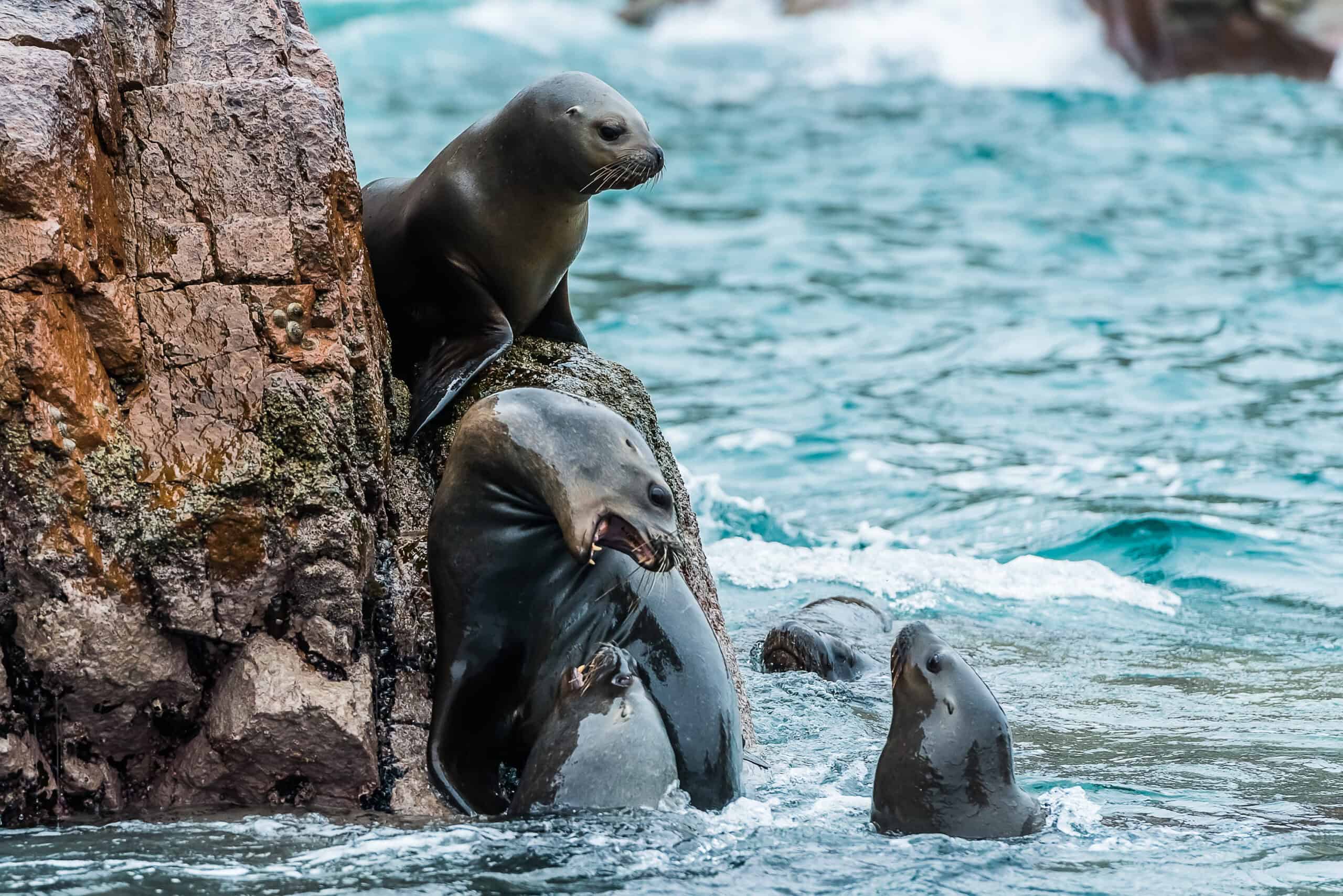
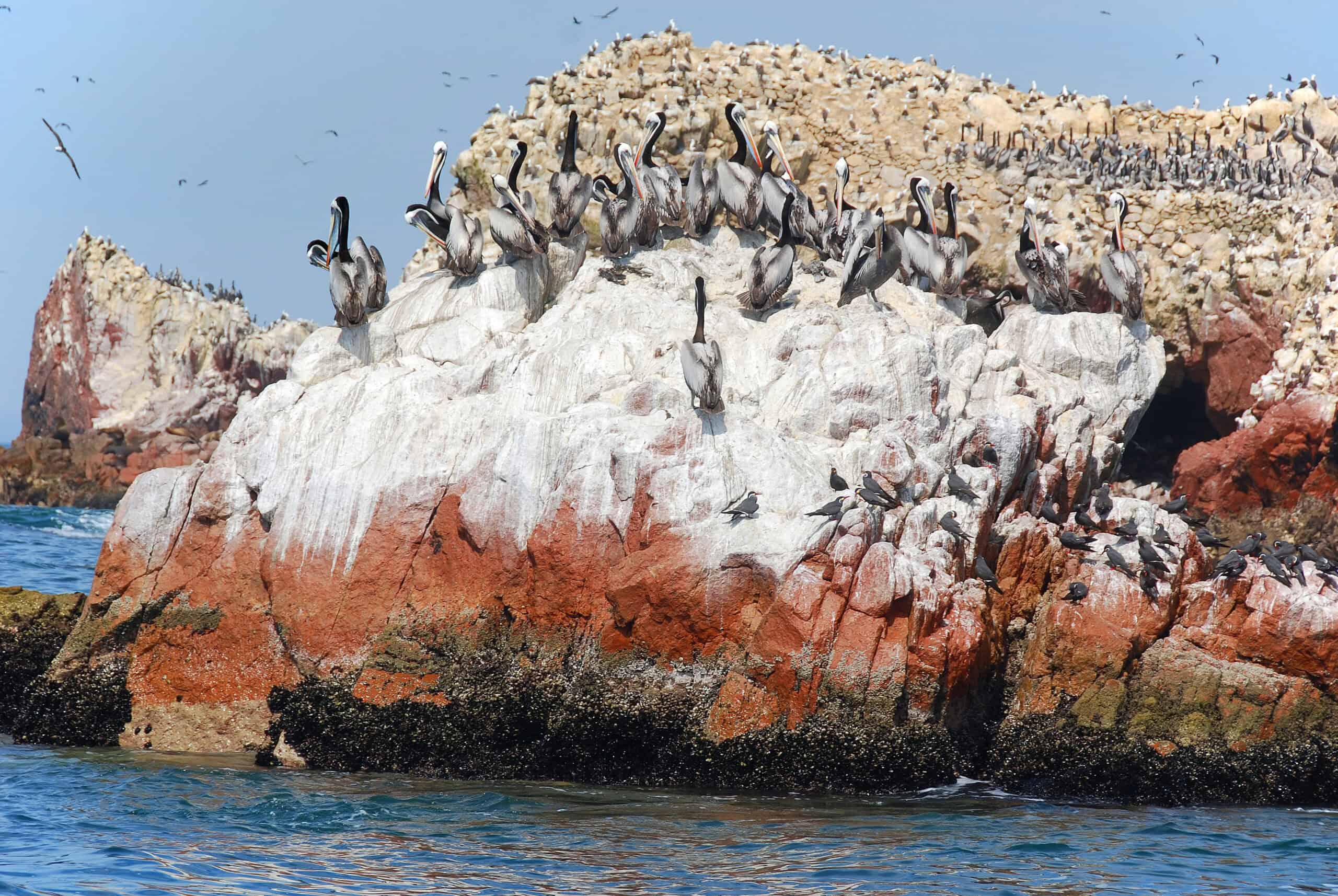
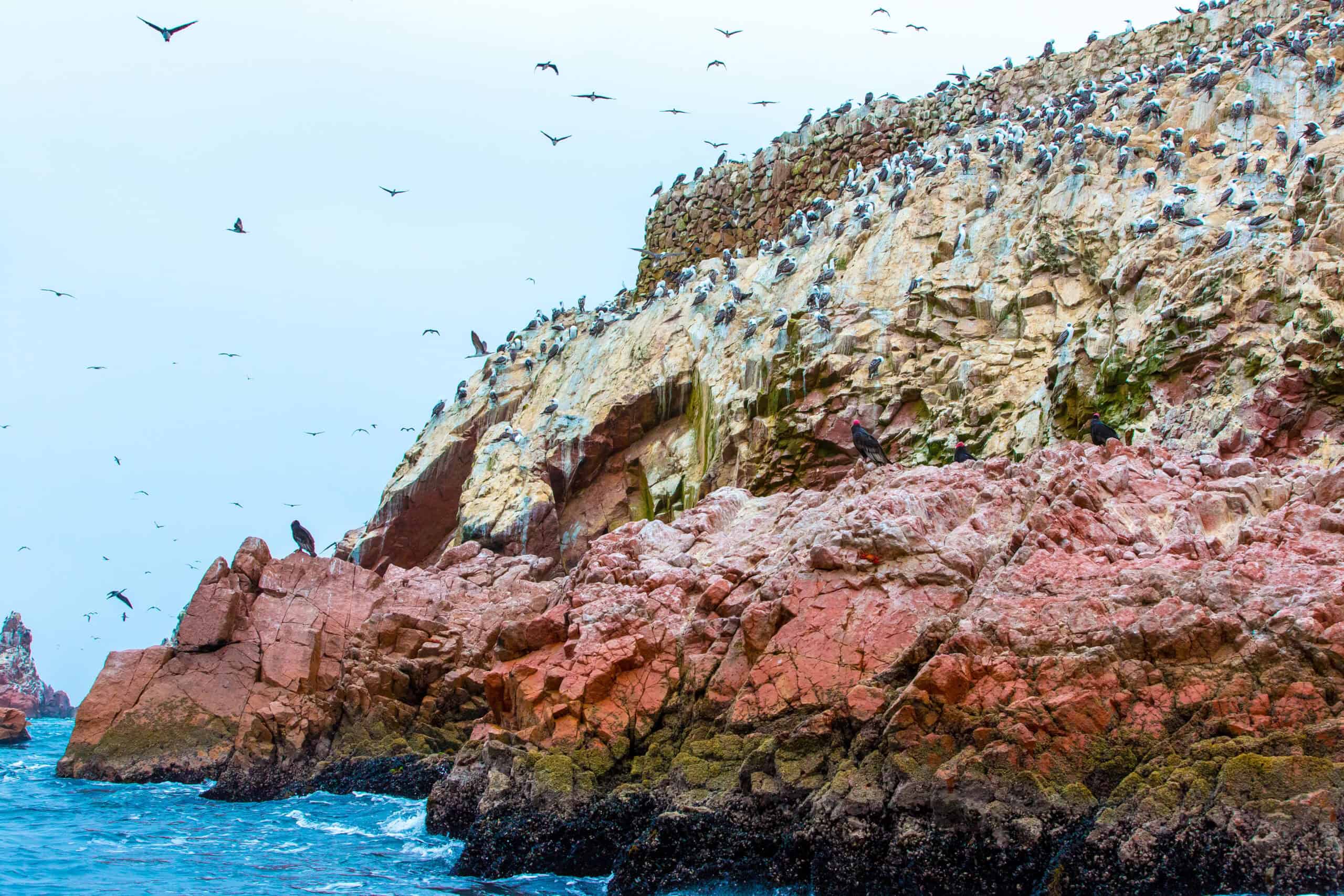
The Ballestas Islands are the most popular attraction in Paracas and the main reason many travelers stop here. Located just off the coast, the islands are home to sea lions, Humboldt penguins, and thousands of seabirds, making them one of the best places in Peru to see wildlife.
The most common tour lasts around two hours and costs approximately $17 USD per person. Tours usually depart in the morning and take visitors around the islands by boat. Along the way, you will also pass the Candelabra, a giant geoglyph carved into a hillside that is often compared to the Nazca Lines.
While visitors are not allowed to go ashore, the boats get close enough to provide excellent views of the wildlife. During my visit, I saw hundreds of sea lions resting on the rocks, several Humboldt penguins, and more birds than I could count.
If you have more time, there are also longer tours available for around $30 USD. These tours typically last around six hours and combine the Ballestas Islands with additional stops in Paracas National Reserve. Depending on the tour, you may visit beaches such as La Mina, have time to swim, and explore several of the reserve’s most popular viewpoints.
If you are visiting Paracas for just one day, I would make the Ballestas Islands your top priority. It is easily the most memorable experience in the area and the activity that puts Paracas on the map for most travelers.
If you want to visit the Ballestas Islands, I recommend booking your tour in advance, especially during weekends and the busiest travel months. Most tours include the boat trip, wildlife viewing, and a stop to see the famous Candelabra geoglyph.
If you book through the link below, I may earn a small commission at no extra cost to you.

Explore Paracas National Reserve
Paracas National Reserve is another place that should be on your itinerary when visiting Paracas. Located just south of town, the reserve covers a large area that protects both the land and the surrounding waters.
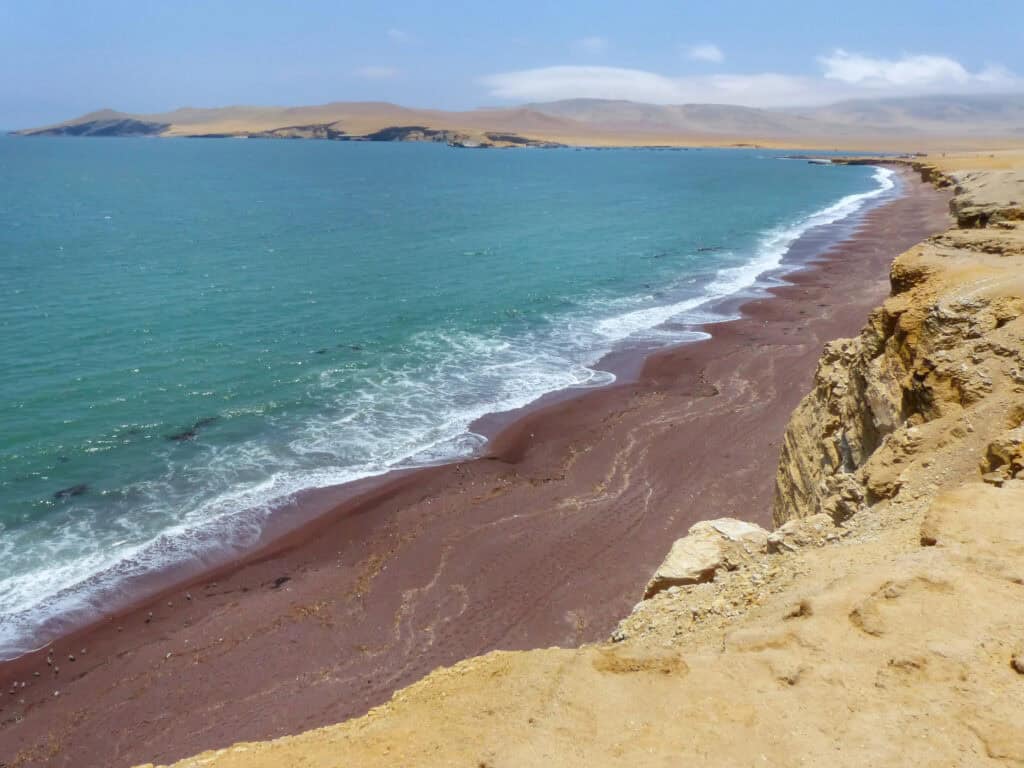
Some of the most popular stops inside the reserve are Red Beach and the Pink Lagoon. Red Beach is known for its reddish-colored sand and is one of the most photographed places in the area. The Pink Lagoon gets its color from algae and microorganisms in the water, although the intensity of the color can vary depending on the conditions.
There are several beaches and viewpoints spread throughout the reserve, and most tours include a selection of the most popular stops. Joining a guided tour is the easiest way to visit the reserve, but it is also possible to explore independently if you have your own transport.
If you have time, I would recommend visiting both the Ballestas Islands and Paracas National Reserve. Together they offer two very different experiences and are the main reasons most travelers choose to visit Paracas.
Joining a guided tour is one of the easiest ways to explore Paracas National Reserve. Most tours visit several viewpoints, beaches, and popular attractions without having to arrange your own transport.
If you book through the link below, I may earn a small commission at no extra cost to you.
Go Kayaking and Spot Flamingos
If you are looking for something a little different, consider joining a kayaking tour in Paracas Bay. While most visitors explore the area by boat or on land, kayaking gives you the chance to experience the bay from a completely different perspective.
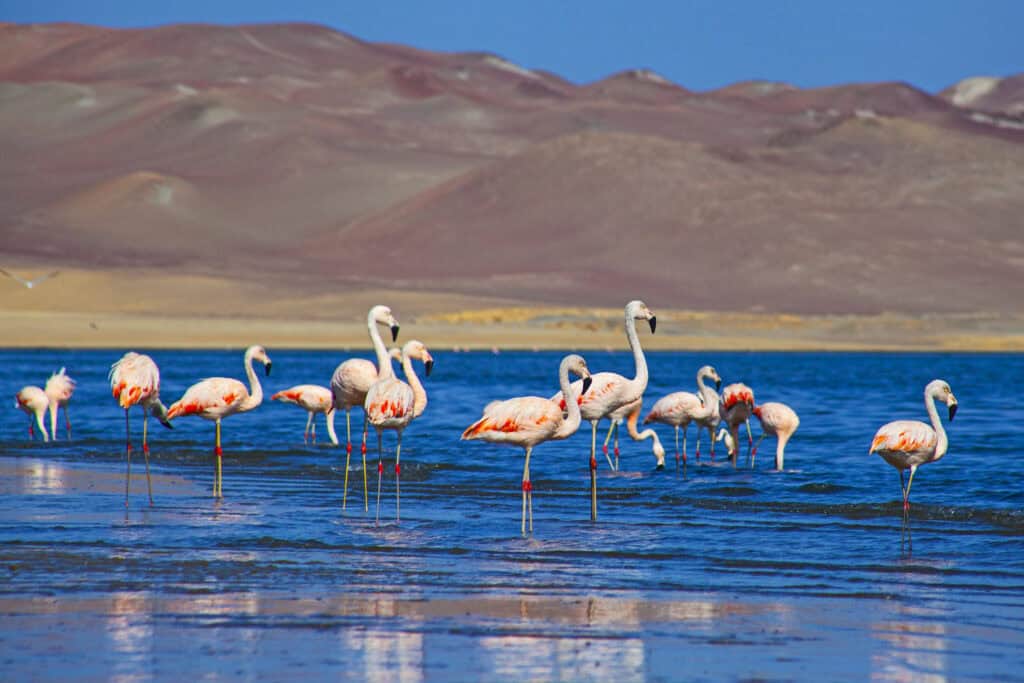
The waters in the bay are usually calm, making it a suitable activity even for beginners. Along the way, you may spot flamingos feeding in the shallow waters, as well as other bird species that live in the area.
Flamingos have a special place in Peruvian history. According to local tradition, General José de San Martín was inspired by the red and white colors of flamingos he observed near Paracas when creating the Peruvian flag.
While the Ballestas Islands remain the most popular wildlife experience in Paracas, a kayaking tour offers a quieter way to explore the bay and see some of the area’s birdlife up close.
Try Fresh Seafood in Paracas
Seafood is one of the highlights of visiting Paracas, and you will find plenty of restaurants serving local dishes throughout town. Since fishing plays an important role in the area, seafood is featured on almost every menu.
Ceviche is the dish most travelers choose to try first. Made with fresh fish, lime juice, onion, and chili, it is considered one of Peru’s most famous dishes. Other popular options include grilled fish, seafood rice, and fried calamari.
You do not need to look far for a good meal. Many of the restaurants are located around the harbor and the main part of town, making them easy to visit between activities.
After a morning on the Ballestas Islands or an afternoon exploring Paracas National Reserve, sitting down for a seafood lunch or dinner is a great way to finish your day in Paracas.
How Many Days Do You Need in Paracas?
Is One Day in Paracas Enough?
Yes, one day is enough for most travelers visiting Paracas. The main attraction is the Ballestas Islands boat tour, which is the reason many people stop here in the first place.
If you have extra time, you can stay longer to explore Paracas National Reserve, go kayaking, or visit some of the other attractions in the area. However, most travelers feel that they have seen the highlights after one full day.
That said, I think spending one night in Paracas is a good option. It gives you time to do the Ballestas Islands tour, walk around the harbor, enjoy a nice dinner, and relax before continuing your trip through Peru the next day.
If you are short on time, it is also possible to visit Paracas on a day trip from Lima. Many tours offer this option, but keep in mind that it involves several hours of travel each way. While it can be done in a single day, it will likely be one of the longer and more tiring days of your trip.
Where to Stay in Paracas?
Choosing where to stay in Paracas is fairly straightforward, as the town is small and most hotels, hostels, restaurants, and tour operators are located close to each other.
I would recommend booking accommodation near the center of town and the harbor area. Staying here allows you to walk to restaurants, the departure point for the Ballestas Islands tours, and most other places you are likely to visit during your stay.
One thing to keep in mind is that accommodation can fill up surprisingly quickly, especially during weekends, holidays, and the busiest travel months. Paracas does not have a huge number of hotels and hostels compared to larger destinations in Peru, so it is worth booking in advance if you are traveling during the high season.
The good news is that Paracas is compact, and most places are within walking distance. As long as you stay somewhere near the center, you will have easy access to everything you need during your visit.
Best Time to Visit Paracas
Paracas can be visited throughout the year thanks to its mild climate and very low rainfall. Unlike many destinations in Peru, rain is rarely a concern, making it a reliable stop no matter when you travel.
The busiest months are generally from December to March, when many Peruvians travel during the summer season. During this period, hotels can fill up more quickly, especially on weekends and public holidays, so it is worth booking accommodation in advance.
For wildlife viewing, the Ballestas Islands can be visited year-round. Sea lions, birds, and Humboldt penguins can be seen in every season, making the boat tour a good activity regardless of when you visit.
If you prefer fewer crowds, consider visiting outside the peak summer months. The weather remains pleasant, tours continue to operate, and accommodation is often easier to find.
Overall, there is no bad time to visit Paracas, and it can easily be added to your Peru itinerary at any time of year.
How to Get to Paracas Peru?
Getting to Paracas Peru From Lima
Getting from Lima to Paracas is straightforward and is how most travelers reach the town. The journey takes around 3.5 to 4 hours by bus, depending on traffic and the company you choose.
The most popular option is taking a long-distance bus with companies such as Cruz del Sur, which operates multiple daily departures between Lima and Paracas. Buses are comfortable, affordable, and arrive close to the center of town.
If you are planning a larger trip through Peru and want more information about bus companies, travel times, and safety tips, make sure to read my complete Traveling Peru by Bus Guide.
If you prefer not to travel independently, many tour companies also offer day trips from Lima. These tours usually include transportation and a visit to the Ballestas Islands, allowing you to see the main attraction in a single day.
For travelers following the classic southern Peru route, Paracas is often the first stop after Lima before continuing on to Huacachina, Arequipa, or Cusco. Because of its location directly along the Pan-American Highway, it is easy to include in almost any Peru itinerary.
Getting to Paracas Peru From Huacachina
Traveling from Huacachina to Paracas is relatively easy, although there are no direct buses from Huacachina itself. The first step is taking a short taxi ride from Huacachina to the nearby city of Ica, which usually takes around 10 to 15 minutes.
From Ica, you can catch a bus to Paracas with companies such as Cruz del Sur. The bus journey takes approximately 1 to 1.5 hours, making it one of the shortest travel days on a typical Peru itinerary.
Because buses run throughout the day, most travelers have no trouble finding a departure that fits their schedule. It is still a good idea to book in advance during weekends, holidays, and the busiest travel months.
Many travelers combine Lima, Paracas, and Huacachina in a single route before continuing south to Nazca or Arequipa. If you are following this route, getting between Huacachina and Paracas is straightforward and does not require a long travel day.
Since most travelers visit Paracas and Huacachina together, I recommend reading my Huacachina Travel Guide as well. It covers everything you need to know before visiting the desert oasis, including where to stay, dune buggy tours, and travel tips.
Getting Around Paracas
Getting around Paracas is easy, as the town itself is relatively small. Most hotels, restaurants, tour operators, and the harbor are within walking distance of each other, so you will not need transportation for most of your stay.
For attractions outside of town, such as Paracas National Reserve, most travelers either join a guided tour or hire a taxi. Tours are the most popular option since transportation is included and they usually visit several of the main viewpoints and attractions in a single trip.
If you prefer more flexibility, taxis can also take you to different parts of the reserve and return later to pick you up. Some travelers choose to rent a bicycle for shorter distances, although this is less common.
Unless you plan to explore the surrounding area extensively, you will likely spend most of your time getting around Paracas on foot.
Is Paracas Safe?
Yes, Paracas is generally considered one of the safer destinations in Peru for tourists. The town is small, receives a steady flow of visitors throughout the year, and most tourist areas feel relaxed during the day.
As with any destination, it is still important to take basic precautions. Keep an eye on your belongings, avoid leaving valuables unattended, and be aware of your surroundings, especially in crowded areas or when arriving at bus stations.
Most travelers spend their time around the harbor, restaurants, hotels, and tour operators, where there are usually plenty of other visitors around. Walking around the center during the day is generally not a problem.
If you are staying overnight, it is sensible to use the same common sense you would use anywhere else. Stick to well-lit areas after dark and avoid carrying large amounts of cash or displaying expensive items unnecessarily.
Overall, Paracas is a destination where most travelers experience no safety issues and can comfortably enjoy their visit.
Paracas or Huacachina?
If I had to choose between Paracas and Huacachina, my personal preference would be Huacachina.
Both destinations are relatively small, and neither requires more than a day or two to visit. However, I found Huacachina to be the more unique experience. Surrounded by massive sand dunes, it feels unlike anywhere else in Peru and is one of the few places where you can go sandboarding and ride dune buggies through the desert.
Paracas certainly has its highlights. The Ballestas Islands boat tour is a great experience and offers the chance to see sea lions, penguins, and other wildlife up close. However, the tour only lasts a couple of hours, and the town itself is not particularly memorable compared to other destinations in Peru.
That does not mean you should skip Paracas. In fact, I would recommend visiting both if your itinerary allows it. They are located close to each other and are often combined into the same trip. If you only have time for one, though, I would personally choose Huacachina.
Final Thoughts on Visiting Paracas
Paracas may not be the most famous destination in Peru, but it is a stop that fits well into almost any itinerary. Its location between Lima and southern Peru makes it easy to visit, and the Ballestas Islands alone are enough reason to spend some time here.
While there is not a huge amount to do compared to places like Cusco or Arequipa, most travelers find that one day or one night is enough to experience the highlights. From wildlife tours and Paracas National Reserve to fresh seafood and relaxing by the harbor, there is more than enough to keep you busy during a short stay.
If you are planning a larger trip through the country, be sure to read my Peru Travel Guide, where I cover the best destinations, travel routes, and practical tips for visiting Peru.