What Is the Sacred Valley?
The Sacred Valley in Peru is one of the most important areas in Peru, both for its history and for the places you can visit today. It lies between Cusco and Machu Picchu and is known for old Inca sites, small Andean towns, local markets, high mountains, and green valleys.
In the time of the Inca Empire, this valley was very important. The land was good for growing food, the climate was softer than in Cusco, and the location made it a key route between different parts of the empire. Because of this, the Incas built towns, terraces, temples, and storage places throughout the valley. Many of these places are still standing today.
What makes the Sacred Valley so special is how much you can see in a short distance. In one day, you can walk through the old streets of Ollantaytambo, visit the ruins above Pisac, see the circular terraces of Moray, and stand above the white salt pools of Maras. Every stop feels different, and that is what makes the valley more than just a quick trip from Cusco.
For many travelers, the Sacred Valley becomes one of the best parts of Peru. It feels calmer than Cusco, but still has some of the most impressive Inca sites in the country.
Why the Sacred Valley Is Worth Visiting
The Sacred Valley is worth visiting because it gives you a different side of Peru than Cusco or Machu Picchu. Cusco feels busy and historic, Machu Picchu feels famous and almost unreal, but the Sacred Valley feels more open, local, and relaxed.
It is also one of the best places to understand how impressive the Inca Empire really was. The sites here are not just small ruins on the side of the road. Places like Ollantaytambo and Pisac are huge, and you can clearly see how much planning, skill, and work went into building them.
Another reason to visit is that the valley is easy to add to most Peru trips. You can visit it as a day trip from Cusco, stay overnight before going to Machu Picchu, or use it as a slower base if you want a break from the altitude and crowds of Cusco.
For me, the Sacred Valley is not just a stop between Cusco and Machu Picchu. It is a place that deserves time on its own, especially if you enjoy history, local towns, and mountain views without feeling rushed.
Best Places to Visit in the Sacred Valley
Ollantaytambo
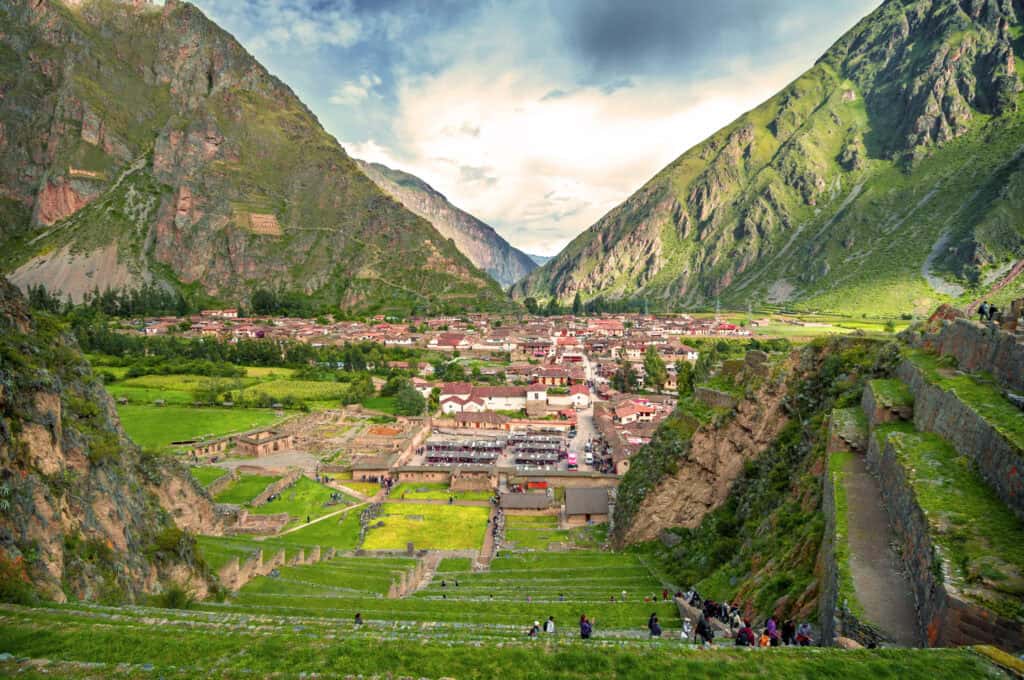
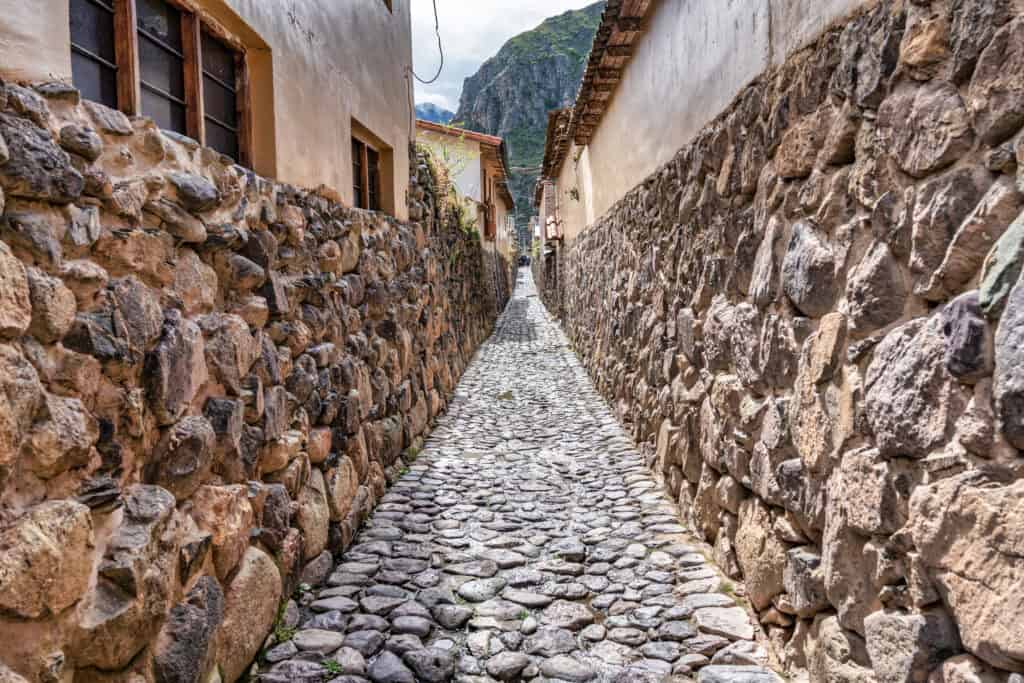
Ollantaytambo is one of the most popular places to visit in the Sacred Valley, and for good reason. The town is known for its impressive Inca ruins, narrow stone streets, and location between the mountains of the valley. Unlike many other historic places in Peru, Ollantaytambo still feels closely connected to its Inca past. Parts of the original layout and water channels are still used today.
The main attraction is the large archaeological site built into the hillside above the town. From the top, you get wide views over Ollantaytambo and the surrounding valley. The climb is steep in some sections, but it is one of the most rewarding ruins to visit in Peru because of both the history and the views.
Ollantaytambo is also an important stop for travelers going to Machu Picchu, since many trains leave from here. Because of that, some people only spend a few hours in town before continuing their trip. Personally, I think Ollantaytambo deserves at least one night. The atmosphere becomes much calmer in the evening after most day tourists leave, and it is one of the few places in Peru where it genuinely feels like history and daily life still exist together.
Pisac
Pisac is another well-known town in the Sacred Valley and is best known for its large Inca ruins and local market. Compared to Ollantaytambo, Pisac has a slightly more relaxed and local atmosphere, which makes it a popular stop for travelers who want to slow down a bit while exploring the valley.
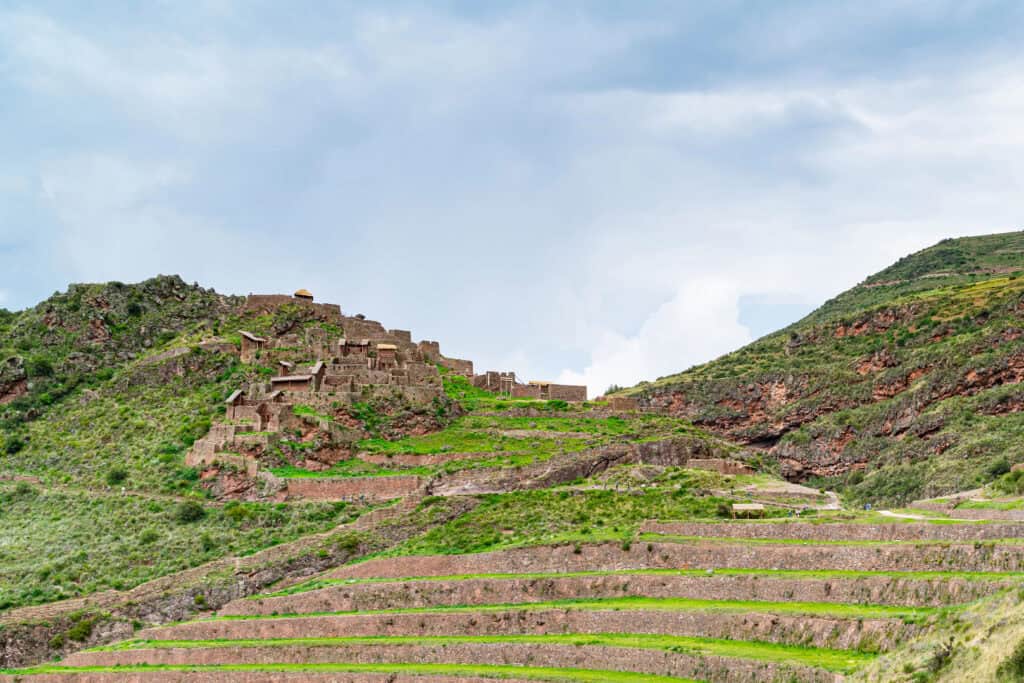
The ruins of Pisac are built high on the mountain above the town and are much larger than many people expect. The site includes terraces, temples, tunnels, and old stone structures spread across the hillside. The views from the top are incredible, especially because you can see the valley stretching far into the distance below you.
Back in town, the Pisac market is one of the most visited markets in the region. You can find souvenirs, textiles, handmade products, and local food here. Some parts feel touristy, but it is still a nice place to walk around for a while, especially during the quieter hours of the day.
Pisac is easy to visit as a day trip from Cusco, but it also works well as a place to stay for a few nights if you prefer a calmer atmosphere than Cusco.
Moray
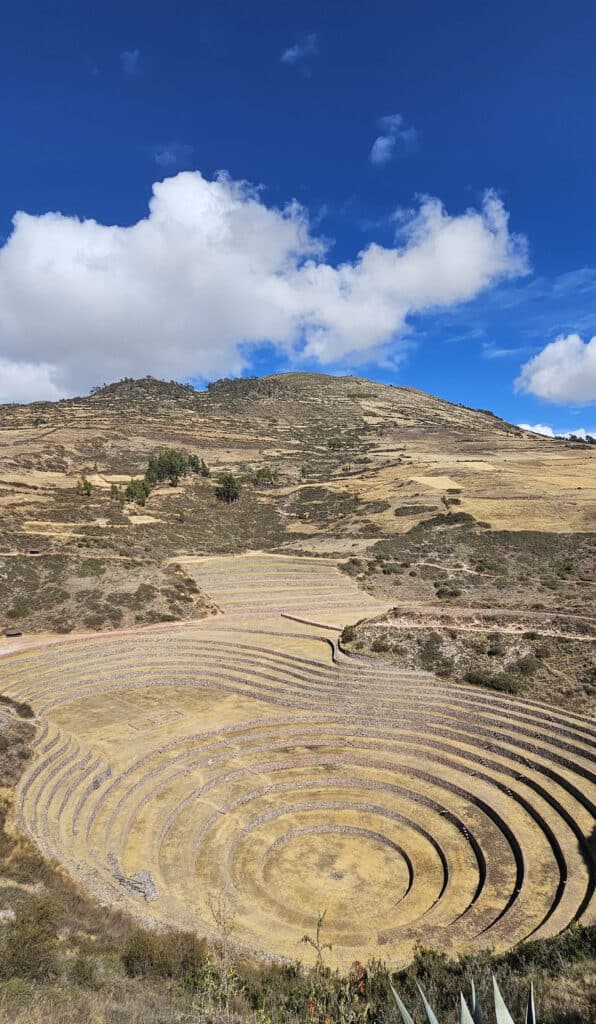
Moray is one of the most unique places to visit in the Sacred Valley. Instead of large temples or mountain fortresses, the site is made up of huge circular terraces built into the ground, almost like a giant amphitheater in the middle of the mountains.
Historians believe the Incas used Moray as a kind of agricultural testing area. Because each level has a slightly different temperature and conditions, it allowed them to experiment with growing crops at different elevations. Even today, the design still feels surprisingly advanced for something built hundreds of years ago.
What makes Moray stand out is how different it feels compared to other Inca sites in Peru. The circular shape immediately catches your attention, and from above you really get a sense of how massive the terraces are. It is not the biggest site in the Sacred Valley, but it is definitely one of the most interesting.
Most people visit Moray together with the nearby Maras Salt Mines, since the two places are located close to each other and can easily be combined into the same trip.
You can also visit Moray by quad bike, which is what I did myself. The tour was arranged from Cusco, and after reaching the starting point, we drove for around 45 minutes by quad through the mountains before arriving at Moray. It made the visit feel much more adventurous than a normal tour, and for me it was one of the most fun ways to see this part of the Sacred Valley. I would definitely recommend it if you want something more active than just driving from place to place.
If you book through the link below, I may earn a small commission at no extra cost to you.
Maras Salt Mines
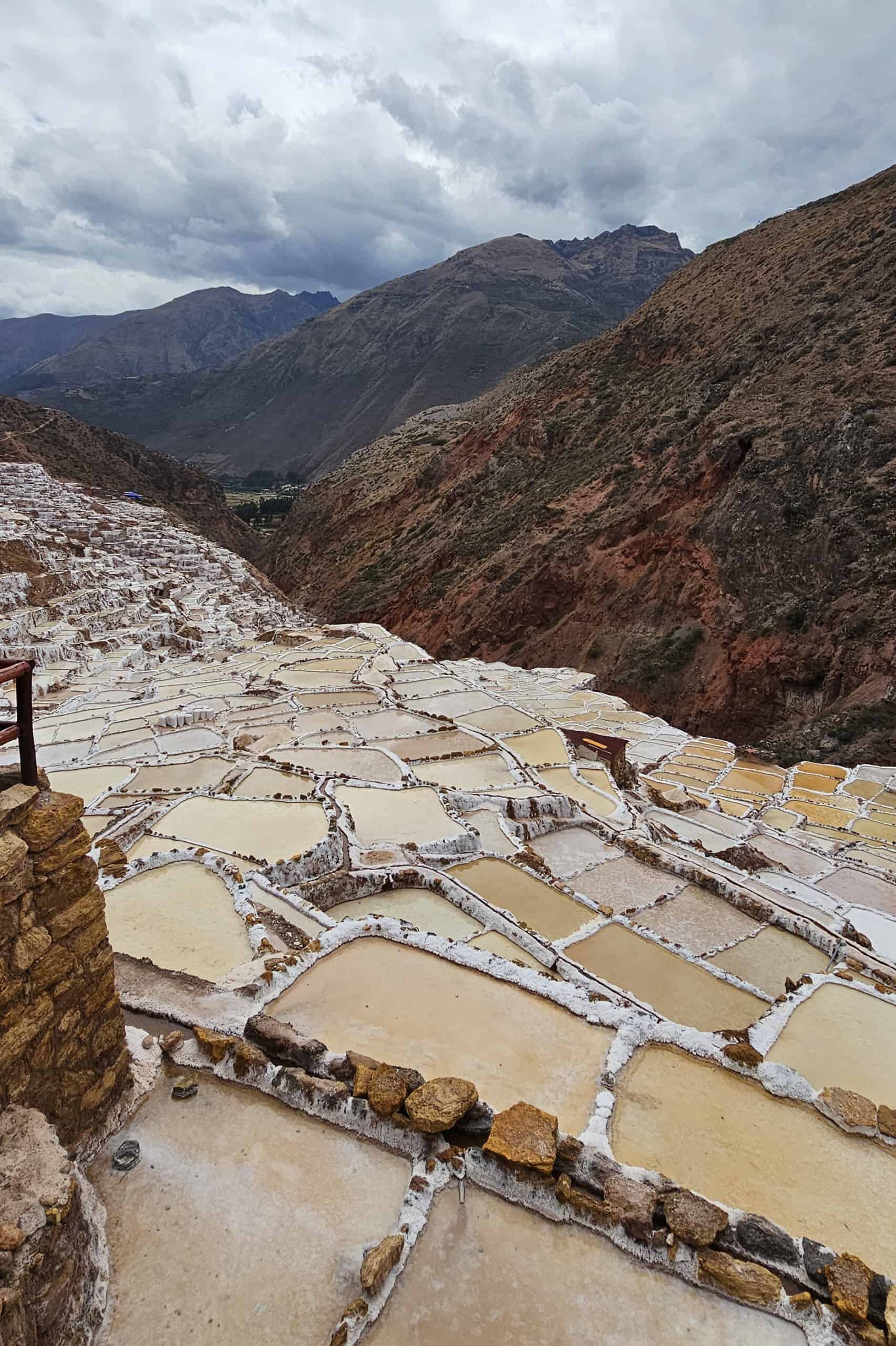
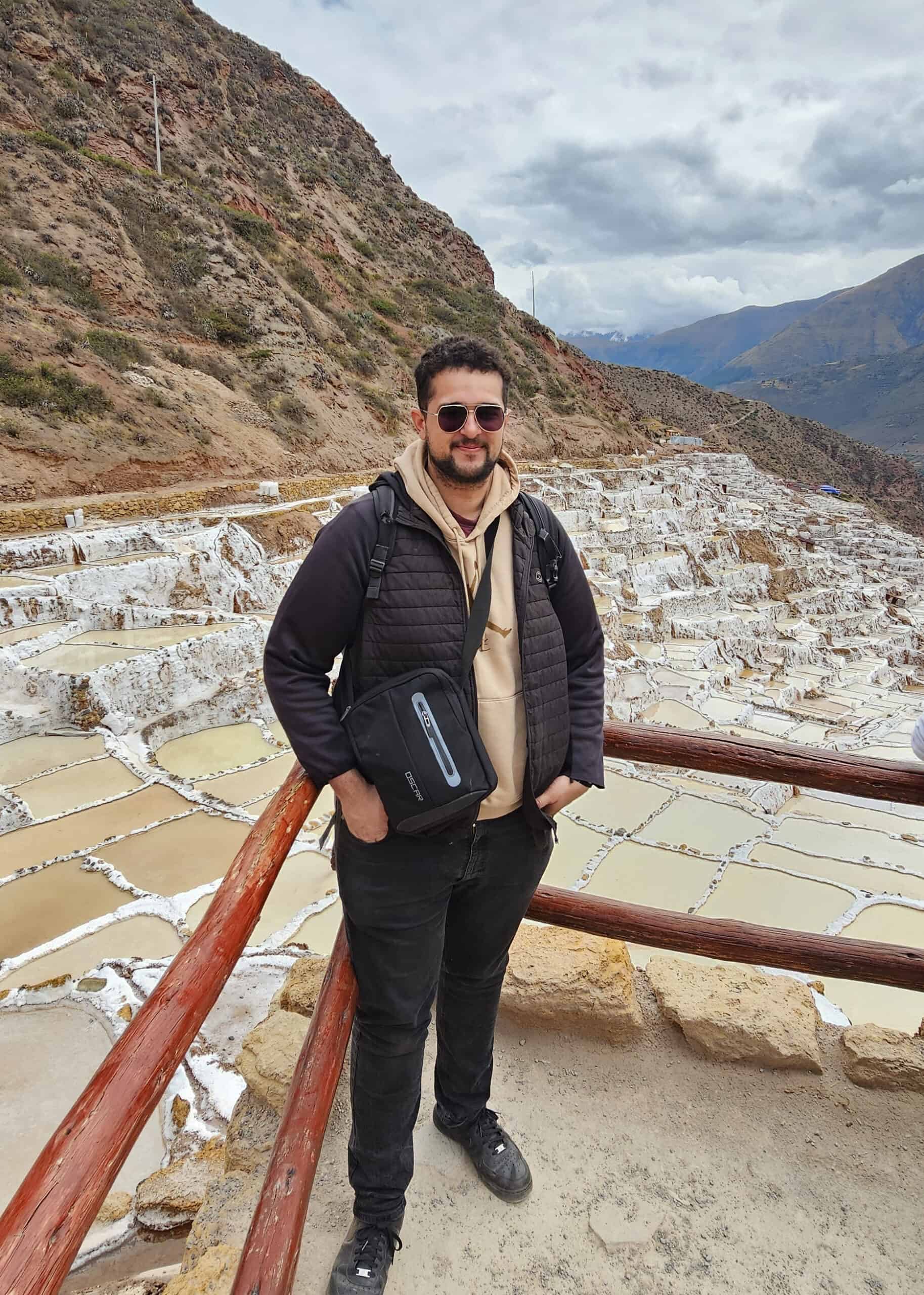
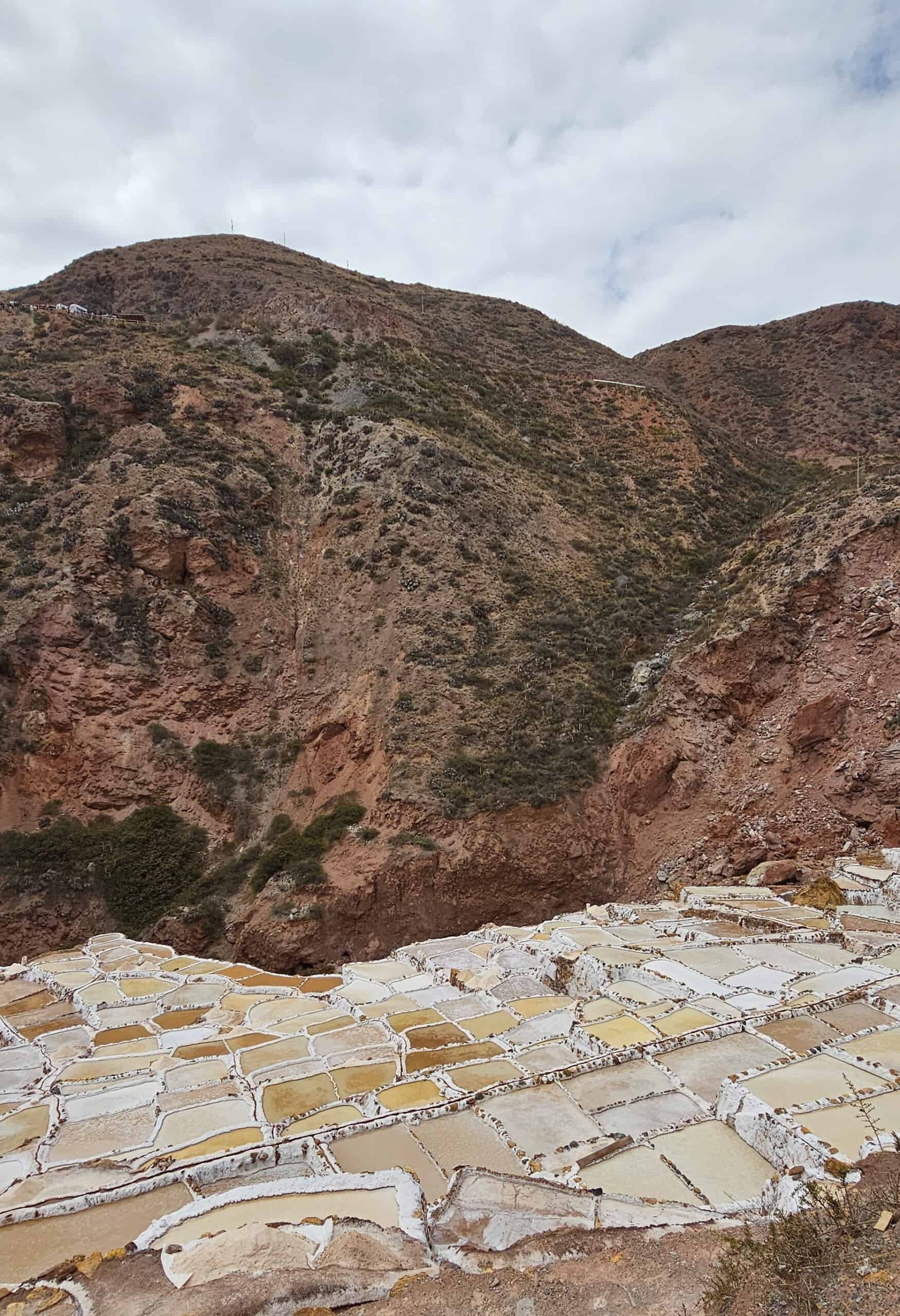
The Maras Salt Mines are one of the most unusual places to visit in the Sacred Valley. The site is made up of thousands of small white salt pools built into the mountainside, and the salt has been collected here for hundreds of years, even since before the Inca period.
To reach the mines, you usually drive down by bus, taxi, or tour vehicle along a narrow road on the side of the valley. The last part brings you closer to the salt pools, where you can walk above the site and stop at different viewpoints. From there, you can see how huge the salt mines really are, with white pools spread across the brown mountain slope.
What makes Maras special is that it is still used today by local families. Salty water comes from a natural spring and flows into the pools, where the sun slowly dries it out and leaves the salt behind. It is simple, but very impressive to see in real life.
There are also small stalls near the entrance where you can buy salt souvenirs, local products, and snacks made with the salt from Maras. It is an easy place to combine with Moray, especially if you are doing a half-day tour or quad bike trip from Cusco.
Chinchero
Chinchero is a small Andean town in the Sacred Valley that is mainly known for its traditional culture, mountain views, and local textile workshops. Compared to places like Ollantaytambo or Pisac, Chinchero feels quieter and less focused on large archaeological sites, but that is also part of its charm.
The town sits at a high elevation and has wide views over the surrounding mountains and valleys. In the center of Chinchero, you can still find old Inca walls and terraces mixed together with colonial buildings that were built after the Spanish arrived in Peru. This combination of Inca and colonial history is something you see in several places around Cusco, but Chinchero is one of the clearest examples.
One of the main reasons people stop here is to visit the local weaving workshops. Families demonstrate how traditional textiles are made using techniques that have been passed down for generations. You can see how wool is prepared, naturally colored, and turned into handmade clothing, bags, and other products.
Chinchero is usually visited together with Moray and the Maras Salt Mines, making it an easy extra stop during a Sacred Valley tour from Cusco.
How to Get to the Sacred Valley
From Cusco
Getting to the Sacred Valley from Cusco is relatively easy, and there are several ways to do it depending on your budget and travel style. Since Cusco is located close to the valley, most travelers use it as the starting point for visiting places like Ollantaytambo, Pisac, Moray, and the Maras Salt Mines.
The easiest option is joining a day tour from Cusco. These tours usually include transport and multiple stops around the Sacred Valley in one day. This is a good choice if you are short on time or prefer not to organize transport yourself.
You can also travel independently by taxi, colectivo, or bus. Colectivos are shared vans used by locals and are one of the cheapest ways to get around Peru. They regularly leave from Cusco toward towns like Pisac and Ollantaytambo. Taxis are more expensive but give you much more flexibility, especially if you want to visit several places in one day.
If you are planning to continue to Machu Picchu, many travelers choose to stay overnight in Ollantaytambo instead of returning to Cusco. Since most trains to Machu Picchu leave from Ollantaytambo, this can save time and make the trip feel much less rushed.
If you are still planning your time in Cusco, make sure to also read my Cusco Travel Guide. And if you are continuing your trip afterward, my Machu Picchu Guide explains everything you need to know about trains, tickets, and visiting the citadel itself.
From Machu Picchu
If you are coming back from Machu Picchu, the easiest way to reach the Sacred Valley is through Ollantaytambo. Most trains from Aguas Calientes stop here before continuing toward Cusco, which makes Ollantaytambo a very convenient place to stay or explore after visiting Machu Picchu.
Many travelers immediately continue back to Cusco after seeing Machu Picchu, but spending extra time in the Sacred Valley can make the trip feel much less rushed. Places like Ollantaytambo and Pisac are easy to visit afterward, especially if you still want to see more Inca history without the crowds of Machu Picchu itself.
From Ollantaytambo, you can continue through the valley by taxi, colectivo, or organized tour depending on which places you want to visit next.
How to Get Around the Sacred Valley
Day Tours
Day tours are the most common way to explore the Sacred Valley, mainly because they allow you to see several major places in a single day. For travelers with limited time in Peru, this is usually the most practical option. You visit multiple highlights without needing to plan every stop yourself, which is why most people visiting the valley choose this approach.
The pace is often quite fast, but it works well if your goal is to get a broad overview of the region in a short amount of time. Many tours combine famous places like Pisac, Ollantaytambo, Moray, and the Maras Salt Mines into one route.
If you are spending more time in Peru, exploring the Sacred Valley on your own can be a much nicer experience. Instead of moving from stop to stop on a fixed schedule, you can slow down, stay longer in certain towns, and experience the valley at your own pace. It is also usually the cheapest option overall.
Collectivos and Private Taxis
If you want to explore the Sacred Valley independently, there are several cheap and flexible transport options available. The most commonly used local transport is the colectivo system. These are shared vans or minibuses that travel between Cusco and towns in the Sacred Valley such as Pisac and Ollantaytambo.
In Cusco, colectivos usually leave from specific streets or small terminals depending on the destination. They normally wait until enough passengers arrive before leaving, and you simply pay the driver directly. It is not the most organized system, but it is widely used by both locals and budget travelers.
Another option is arranging transport yourself around the Plaza de Armas or main square in Cusco. Many tour operators are flexible, and sometimes you can negotiate to only join the transport part of a day tour instead of paying for the full guided experience. For example, you can ride with the group into the Sacred Valley and then continue exploring on your own afterward.
You can also use the taxi app InDrive, which works very well in Peru for longer intercity rides. Instead of using fixed taxi prices, you offer an amount yourself and drivers can accept or negotiate it. This can be an easy way to arrange direct transport from Cusco into the Sacred Valley without needing to join a tour.
How Many Days Do You Need in the Sacred Valley?
Best Day Trip Route
If you only have one day in the Sacred Valley, it is still possible to see several of the main highlights. Most travelers start early from Cusco and make their way through the valley while stopping at different towns and archaeological sites along the route.
A popular day trip route is starting with Pisac in the morning, followed by Moray and the Maras Salt Mines, before ending the day in Ollantaytambo. This gives you a good mix of Inca history, local towns, and some of the most famous landscapes in the valley.
If you are planning to continue to Machu Picchu afterward, ending your day in Ollantaytambo is usually the smartest option. Since trains to Machu Picchu leave from there, staying overnight can make the next part of your trip much easier and less rushed.
The Sacred Valley can definitely be visited in one day, but the schedule often feels quite full. If you have extra time in Peru, spending at least one or two nights in the valley gives you a much more relaxed experience.
Is It Better to Stay Overnight?
Staying overnight in the Sacred Valley is a great option if you want a slower and more relaxed experience. During the daytime, many places can feel busy with tour groups arriving from Cusco, but in the evening the atmosphere becomes much quieter, especially in towns like Ollantaytambo and Pisac.
Another advantage is the altitude. The Sacred Valley sits lower than Cusco, so some travelers find it easier to rest and adjust here before continuing their trip through Peru. Waking up in the valley also gives you more time to explore early in the morning before the larger crowds arrive.
For travelers who enjoy photography, local cafés, small markets, or simply walking around without rushing, staying overnight often ends up being one of the best parts of visiting the Sacred Valley.
Best Time to Visit the Sacred Valley
Dry Season
The dry season is generally considered the best time to visit the Sacred Valley. This period runs roughly from May until September and usually brings sunnier days, clearer mountain views, and lower chances of rain.
Because the weather is more stable, this is also the most popular time for hiking, day trips, and visiting archaeological sites around the valley. Roads and walking paths are normally in better condition as well, which makes traveling between places easier.
One thing to keep in mind is that mornings and evenings can become surprisingly cold, especially during June and July. Even if the daytime feels warm in the sun, temperatures drop quickly after sunset, so bringing layers is important.
Since this is peak travel season in Peru, places like Ollantaytambo and Pisac can feel busier during the middle of the day. If possible, visiting early in the morning or staying overnight in the valley usually gives a much calmer experience.
Rainy Season
The rainy season in the Sacred Valley usually runs from November until March. During these months, the valley becomes much greener, and the mountains are often covered by low clouds and mist, which gives the area a completely different atmosphere compared to the dry season.
Rain showers can happen at any time of the day, especially during January and February, so it is important to bring a rain jacket and waterproof shoes if you are visiting during this period. Some roads and hiking paths can also become muddy or more difficult to access after heavy rain.
At the same time, the rainy season has its advantages. There are usually fewer tourists compared to the dry season, which means places like Pisac and Ollantaytambo often feel quieter. Hotels can also be cheaper, and the valley overall feels more peaceful.
If you do not mind occasional rain and prefer fewer crowds, the rainy season can still be a great time to visit the Sacred Valley.
Where to Stay in the Sacred Valley
Best Area for First-Time Visitors
For most first-time visitors, Ollantaytambo is usually the best place to stay in the Sacred Valley. The town has a good mix of restaurants, cafés, hotels, local life, and easy access to other parts of the valley. It also feels very atmospheric because of the old stone streets and the Inca ruins built directly above the town.
Another big advantage is the location. Ollantaytambo works well both before and after visiting Machu Picchu, since most trains pass through here. Because of that, staying here can make your overall Peru route much easier and less tiring.
Pisac is another good option, especially for travelers looking for a quieter and more relaxed atmosphere. It has a slightly different feel than Ollantaytambo, with more cafés, markets, and slower-paced surroundings.
If you only have limited time in Peru, staying in Ollantaytambo is usually the most practical choice. But if you prefer slower travel and want to spend more time exploring local towns, Pisac can also be a great base for visiting the Sacred Valley.
Tips for Visiting the Sacred Valley
Altitude Tips
Even though the Sacred Valley sits slightly lower than Cusco, the altitude can still affect some travelers, especially during their first days in Peru. Symptoms can include headaches, dizziness, nausea, shortness of breath, or feeling tired much faster than normal.
One of the best things you can do is simply slow down during your first days. Do not immediately plan intense hikes or long walking days right after arriving. Drink plenty of water, eat light meals, and give your body time to adjust naturally.
In Peru, many hotels, restaurants, and shops offer coca tea or coca candy, which are commonly used to help with altitude symptoms. You will see them almost everywhere around Cusco and the Sacred Valley. Some travelers also bring altitude sickness medication from home or buy it locally before starting their trip.
Another thing you will notice in Peru is that some pharmacies, hotels, and tour companies offer oxygen shots or small oxygen tanks for travelers struggling with the altitude. These can help temporarily if symptoms become stronger, although resting and adjusting slowly is still the most important thing.
For most people, the symptoms stay mild and improve after a couple of days, especially if you avoid rushing too much at the start of your trip.
Bring Cash for Small Villages
When visiting smaller towns in the Sacred Valley, it is always a good idea to carry enough cash with you. In many places, ATMs are limited or not always reliable, and sometimes they simply do not work when you need them.
You also cannot always pay by card in smaller restaurants, markets, local shops, or transport services. Even if a place technically accepts cards, the connection can fail quite often in smaller villages around the valley.
This is especially important if you plan to use apps like InDrive, since rides are usually paid in cash directly to the driver. Before leaving Cusco, make sure you withdraw enough money for transport, food, entrance tickets, and smaller purchases throughout the day.
Final Thoughts on Visiting the Sacred Valley
The Sacred Valley ended up being one of my favorite parts of Peru. Even though many travelers visit it on the way to Machu Picchu, it deserves much more than just a quick stop between destinations.
What makes the valley special is the variety. In a short amount of time, you can visit old Inca sites, traditional towns, local markets, mountain roads, and unique places like Moray or the Maras Salt Mines. Every place feels different, which keeps traveling through the valley interesting from start to finish.
Whether you visit on a day tour from Cusco or spend several nights exploring at your own pace, the Sacred Valley is one of those places that gives you a much better understanding of Peru beyond just Machu Picchu itself.
If you are still planning your route through the country, make sure to also read my Peru Travel Guide, where I cover the best places to visit, travel tips, and how to plan your trip through Peru.
If you are planning a trip through Peru, I genuinely think the Sacred Valley is something you should not skip.