Why Visit Machu Picchu?
Machu Picchu is one of the few places in the world that still feels unreal when you see it with your own eyes. You can look at photos before your trip, read about it, and hear people talk about it, but none of that fully prepares you for what it feels like to stand there yourself. That is exactly why planning your visit well matters, and why this Machu Picchu travel guide can help you make the most of it.
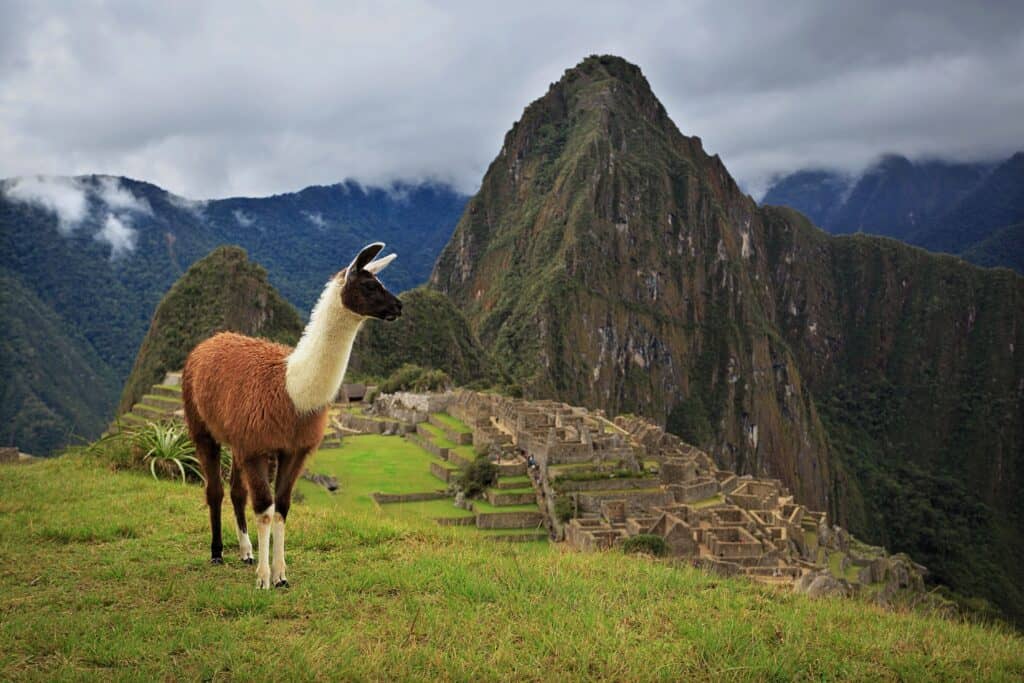
Set high in the Peruvian Andes, Machu Picchu is a 15th-century Inca citadel that has become one of the most famous archaeological sites in the world. What makes it so special is not only the ruins themselves, but the way the whole place comes together. The stone walls, the terraces, and the mountain setting make it feel unlike anywhere else in Peru.
It also feels bigger than just a sightseeing stop. Reaching Machu Picchu feels like a real moment in a trip, not just another place to tick off a list. For many travelers, it ends up being the place they remember most from Peru, and once you are there, it is easy to understand why. If you are wondering how to visit Machu Picchu, when to go, or how Machu Picchu tickets and circuits work, this guide will walk you through the essentials before your trip.
If you are planning more than just Machu Picchu, my Peru travel guide is a good place to start for a wider look at the country.
How to Get to Machu Picchu
Getting to Cusco first
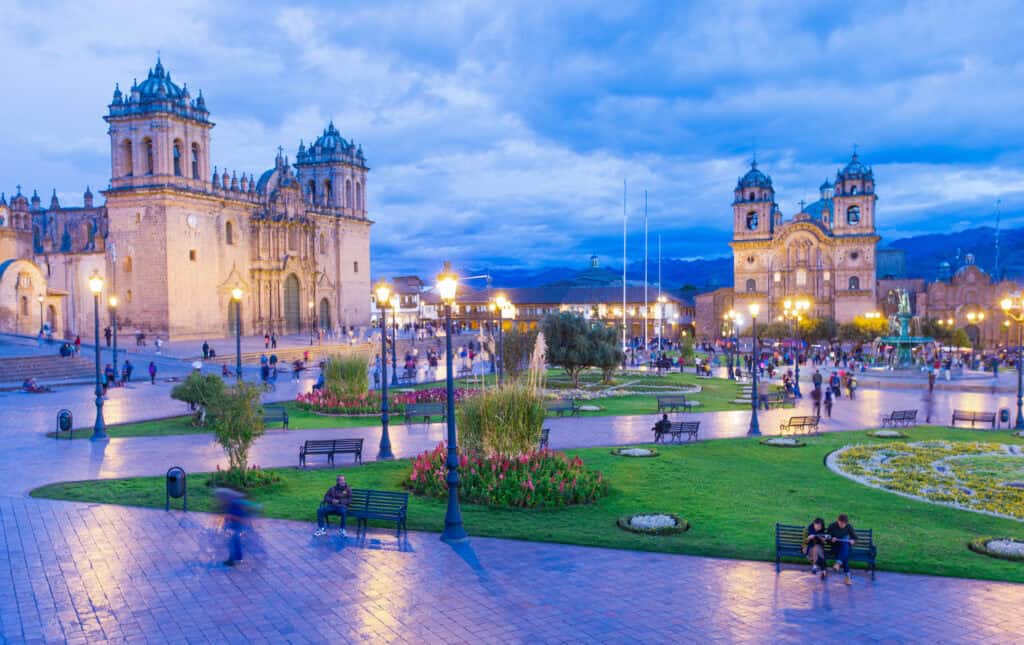
Before you can visit Machu Picchu, you first need to get to Cusco. For most travelers, Cusco is the main starting point because it is the closest major city and the easiest place to arrange the rest of the trip. It is also where many people spend a few days first, both to explore the city and to adjust to the altitude before continuing.
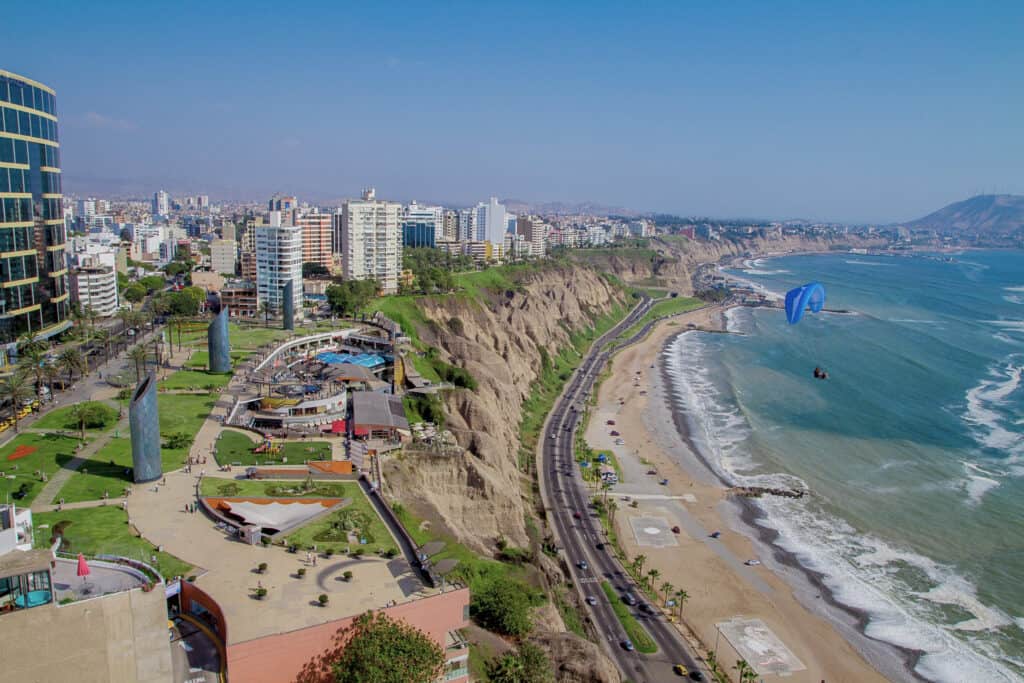
The easiest way to reach Cusco is by flying from Lima, which is the most common route for international travelers already in Peru. There are regular domestic flights every day, and the journey is much faster than going by bus. Long-distance buses to Cusco do exist, but they take much longer and are usually only worth considering if you are traveling on a tighter budget or already moving overland through Peru.
Before planning your visit to Machu Picchu, it is worth reading my Cusco travel guide first, where I explain how to get to Cusco, what to know before arriving, and how to prepare for the altitude. Since Cusco is the main starting point for visiting Machu Picchu, that guide will help make the rest of the trip much easier to plan.
If you are still planning your full Peru route, my 2 Week Peru Itinerary shows how to include Machu Picchu in a complete trip with Lima, Paracas, Huacachina, Arequipa, and Cusco.
Taking the train to Aguas Calientes
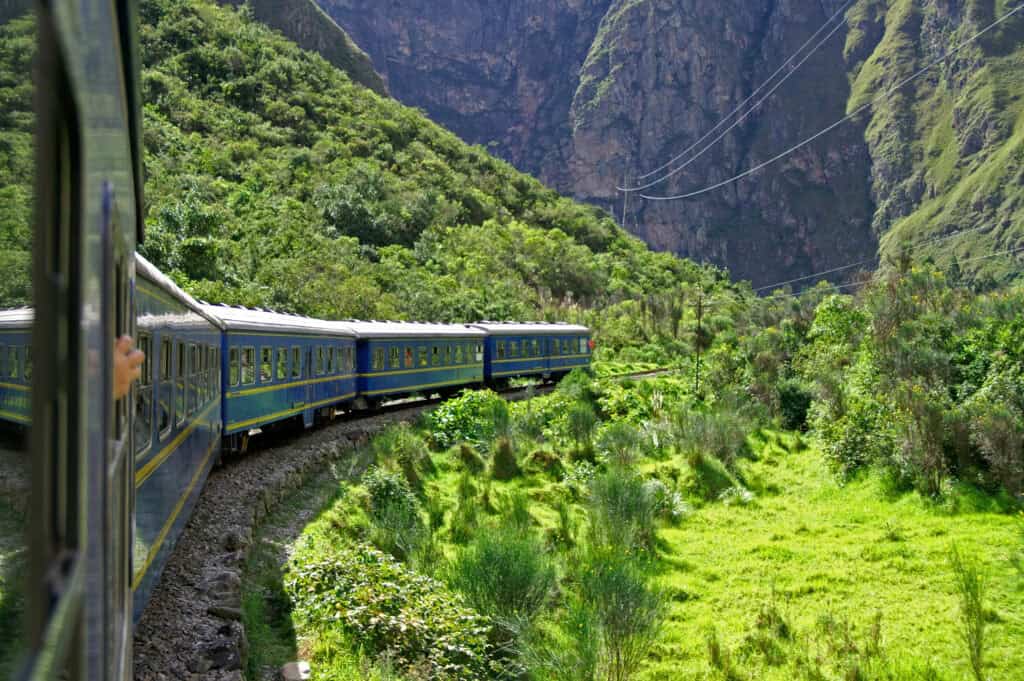
From Cusco, most travelers first go to Ollantaytambo, a small town in the Sacred Valley about 1 hour and 45 minutes away. This is where the main train station is located for trains to Aguas Calientes.
If you book your train tickets through a company like PeruRail, transport from Cusco to the train station is often included as part of the journey, but it is important to check this carefully when booking. In many cases, you will first be taken by bus from Cusco to Ollantaytambo, and from there continue by train to Aguas Calientes. If you book a tour, this part is usually arranged for you as well, and they often take you straight from Cusco to the train station in Ollantaytambo.
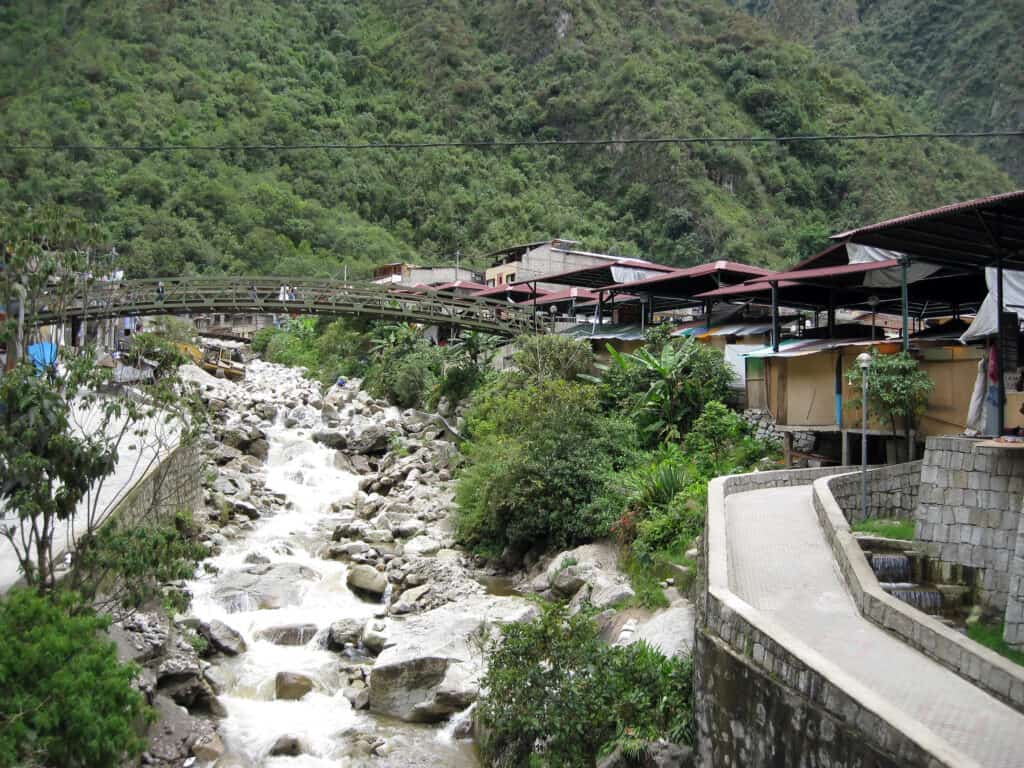
From Ollantaytambo, you then take the train to Aguas Calientes, the small town next to Machu Picchu where most visitors arrive. It is best known as the main gateway to the site, with its train station bringing in most tourists visiting Machu Picchu. The town is well set up for travelers, with plenty of hotels, restaurants, and basic services, so it is a common place to stay overnight before or after visiting. During the high season, it is smart to book your hotel in advance.
Another option is to skip the overnight stay and continue straight to Machu Picchu, which some travelers do if they are short on time or visiting as part of a tighter schedule.
Going from Aguas Calientes to Machu Picchu
Once you arrive in Aguas Calientes, the final part of the journey is getting up to Machu Picchu itself. From the town, most people take the shuttle bus, which is the easiest and most common option. The ride is short, but the road up is steep and full of switchbacks as it climbs to the entrance.
Buses leave regularly from Aguas Calientes and the system is generally well organized, but there are often lines, especially in the morning. While you are there, this is also usually the moment to arrange a tour guide if you have not booked one already. Having a guide is highly recommended for Machu Picchu because they help make the visit much smoother. They can assist with practical things like the bus process and entrance, guide you through the site, explain what you are seeing during the walk, and they also know the best spots to take your photos.
There is also the option to walk up from Aguas Calientes instead of taking the bus. This is cheaper, but it is a steep uphill climb and much more demanding, especially if you are already tired from traveling. For most people, the bus is the better choice.
If you stay overnight in Aguas Calientes, getting to Machu Picchu the next morning is simple and much less rushed. If you decide not to stay overnight, just make sure your train, bus, guide, and entry time all line up well so the visit goes smoothly.
Can you visit Machu Picchu without a tour?
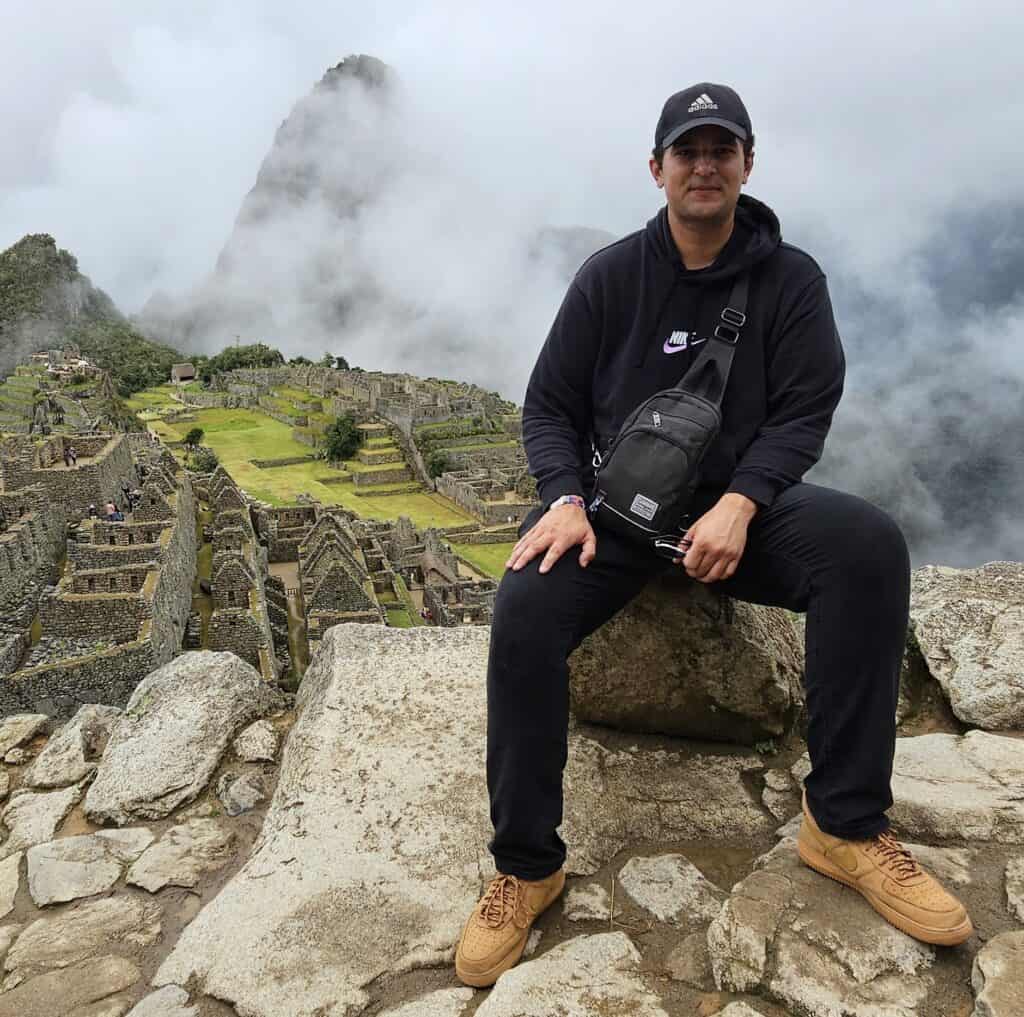
Yes, you can visit Machu Picchu without booking a full tour, and this is exactly what I did myself. I booked and arranged everything on my own, then hired a local guide at the entrance of the park.
For 70 soles (around €17 / $19), I had a guide who helped me through the whole process. He got me into the park as one of the first visitors, knew all the best spots, explained what I was seeing during the walk, and also helped take photos along the way. For me, it was absolutely worth it.
So while you do not need to book a full organized tour from Cusco, I would still strongly recommend hiring a local guide at Machu Picchu itself. It gives you the freedom to plan the trip yourself, while still making the actual visit much easier and more enjoyable once you are there.
If you prefer having everything arranged for you, a guided day trip from Cusco can be a convenient alternative. Transport, train tickets, entrance tickets, and guiding are all included, making it a good option for travelers who want to keep the planning simple.
If you book through the link below, I may earn a small commission at no extra cost to you.
Can You Hike to Machu Picchu?
Yes, you can trek to Machu Picchu, and for adventurous travelers this can be one of the most rewarding ways to experience it. Instead of arriving by train like most visitors, you reach Machu Picchu after several days of walking through the Andes, which makes the arrival feel even more special.
The most famous option is the 4-day Inca Trail, which is also one of the best-known treks in South America. Along the way, you pass mountain trails, smaller Inca sites, and some incredible views before arriving at Machu Picchu through the Sun Gate. There is also a 2-day Inca Trail for travelers who are shorter on time or want a less demanding version.
If you want to do the Inca Trail, it is important to know that you need to book a permit well in advance. Spaces are limited, and this trek often sells out early.
If permits are gone, there are still other great trekking options. The Salkantay Trek is one of the best-known alternatives and is a great choice for travelers who enjoy nature and want a more active route through the Andes. Another option is the Lares Trek, which is often recommended for people who are more interested in local culture, smaller villages, and a quieter route before ending at Machu Picchu.
That said, most people still visit Machu Picchu by train and bus, and that is completely fine. Trekking is an amazing option if you want a bigger adventure, but it is not necessary to have an unforgettable visit.
Where to Stay for Machu Picchu
Staying in Cusco
Staying in Cusco is definitely an option, and this is what many people do when they book Machu Picchu as a tour. In that case, everything is usually arranged for you on the same day, including transport, timing, and the visit itself, so staying in Cusco can work well.
The downside is that it becomes a very long day. You leave early, spend a lot of time moving between places, and usually do not get to see much of Aguas Calientes itself.
If you are arranging everything on your own, I would personally not recommend staying in Cusco for the Machu Picchu visit. It adds more stress, more planning, and a tighter schedule. I would also not recommend it if you have a bit more time and want to enjoy Aguas Calientes, which is a beautiful little town set between the mountains and worth experiencing as part of the trip.
Staying in Ollantaytambo
Staying in Ollantaytambo is a good option if you want to make the trip to Machu Picchu easier without staying in Aguas Calientes itself. Since most trains leave from here, you avoid having to start all the way from Cusco early in the morning, which makes the journey feel much smoother.
It is a smaller place than Cusco, but that is exactly why many people like it. Ollantaytambo has a relaxed feel, pretty streets, and enough hotels and restaurants for a comfortable short stay. It also feels much closer to the route to Machu Picchu, so the whole trip feels more manageable.
For me, it is a good middle option. You are closer to the train station, the day starts with less stress, and the journey feels more broken up in a good way. If you do not want the long day from Cusco but also do not plan to stay in Aguas Calientes, Ollantaytambo makes a lot of sense.
Staying in Aguas Calientes
Staying in Aguas Calientes is the option I would recommend most. It makes the visit to Machu Picchu much easier, and it also gives you the chance to enter the site early in the morning, which is one of the best ways to experience it. Being there already means you can get one of the first buses up and be among the earlier visitors entering the park.
The town itself is also worth seeing. Aguas Calientes is a beautiful little place surrounded by mountains, and it feels much more than just a stop before Machu Picchu. If you stay overnight, you can enjoy the area at a slower pace instead of rushing through everything in one day.
There are also a few activities in and around town if you have extra time. You can visit the hot springs, go to the Machu Picchu Museum, hike to Mandor Waterfall and Botanical Garden, or walk around the local market, where you will find handmade souvenirs and other small items. For me, staying in Aguas Calientes makes the whole Machu Picchu trip feel more complete, not just more convenient.
Machu Picchu Tickets and Circuits
Why tickets matter
Tickets for Machu Picchu are one of the most important parts of planning your visit because you cannot simply show up and expect to enter whenever you want. Entry is controlled through timed tickets and fixed circuits, which means availability can run out, especially in the busier months.
This matters because your ticket does not just decide if you can enter, but also when you can enter and which route you are allowed to follow inside the site. If you wait too long to book, you may find that the best time slots are gone or that the circuit you wanted is no longer available.
For that reason, tickets should be one of the first things you sort out when planning Machu Picchu. Once your ticket is secured, it becomes much easier to organize the rest of the trip around it, including your train, hotel, and bus timings.
The official website to buy Machu Picchu tickets is the Ministry of Culture’s Tu Boleto platform. Always book through the official site when possible to avoid paying extra through third-party sellers.
Understanding Machu Picchu circuits
One of the most important things to understand before booking Machu Picchu is that your ticket does not just give you entry. It also decides which route you can follow inside the site.
Machu Picchu is divided into three main circuits, and each one gives a slightly different experience.
Circuit 1 is mainly for the upper viewpoints. This is the best option if you want the famous wide view over Machu Picchu and the classic photo spots from above. Some Circuit 1 tickets also include extra walks like Intipunku, the Inca Bridge, or Machu Picchu Mountain. It is a good choice if the views are your main priority.
Circuit 2 is usually the best option for first-time visitors. It gives you the classic Machu Picchu experience by combining the well-known viewpoints with a longer walk through the main ruins. If you want the most complete and balanced visit, this is usually the circuit to choose.
Circuit 3 focuses more on the lower part of the site. It is also the circuit connected to extra hikes like Waynapicchu, Huchuy Picchu, and in some cases the Temple of the Moon. This is a good option if you want one of those hikes, but for a standard first visit, most people will prefer Circuit 2.
In simple terms:
- Circuit 1 = best for views
- Circuit 2 = best for the classic full visit
- Circuit 3 = best for the lower route and extra hikes
Which Machu Picchu circuit is best?
For most first-time visitors, Circuit 2 is usually the best choice. If you are unsure which one to book, this is the safest option because it gives the most complete overall visit. You get the classic views that most people want, but also a better walk through the main ruins themselves.
Circuit 1 is the better choice if your main priority is the famous viewpoint and the classic photo from above. If the view matters more to you than seeing as much of the site as possible, this can be a great option.
Circuit 3 is usually best for travelers who already know they want one of the extra hikes, such as Waynapicchu or Huchuy Picchu. It makes more sense for that type of visit than for someone who just wants the classic Machu Picchu experience.
If you want the simple answer, go for Circuit 2. It is the best all-round option for most people.
How far in advance should you book?
It is best to book Machu Picchu as soon as your travel dates are fixed. Tickets are limited, and the most popular circuits and time slots can sell out well in advance, especially during the busier months.
If you are visiting in high season, try to book a few months ahead if possible. In quieter months, booking a few weeks in advance is often enough, but earlier is still better. This is especially important if you want a specific circuit or one of the extra hikes, since those usually sell out first.
There are sometimes last-minute tickets available in Aguas Calientes, but I would not rely on that unless you have no other option. If you want the trip to go smoothly, it is much better to secure your ticket early and plan the rest around it.
Best Time to Visit Machu Picchu
Dry season vs rainy season
The best time to visit Machu Picchu depends on what matters more to you: better weather or greener surroundings with fewer crowds.
The dry season, usually from May to September, is the most popular time to go. These months normally bring clearer skies, less rain, and better conditions for walking around the site. This is the best period if you want the highest chance of good views and a smoother visit overall. The downside is that it is also the busiest time, so tickets, trains, and hotels can book up faster.
The rainy season, usually from November to March, is quieter and the area looks greener, but the weather is less predictable. You have a higher chance of rain, cloud cover, and slippery paths, which can affect the experience. Some people still enjoy visiting in this season because there are fewer visitors and the mountains look very lush, but you need to be more flexible.
April and October are often seen as a nice middle ground. You can still have good weather, but usually with fewer crowds than the peak dry season months.
If you want the simplest answer, the dry season is the best time to visit Machu Picchu, especially for a first trip. But if you do not mind some rain and want a quieter visit, the rainy season can still be worth it.
Best time of day to visit
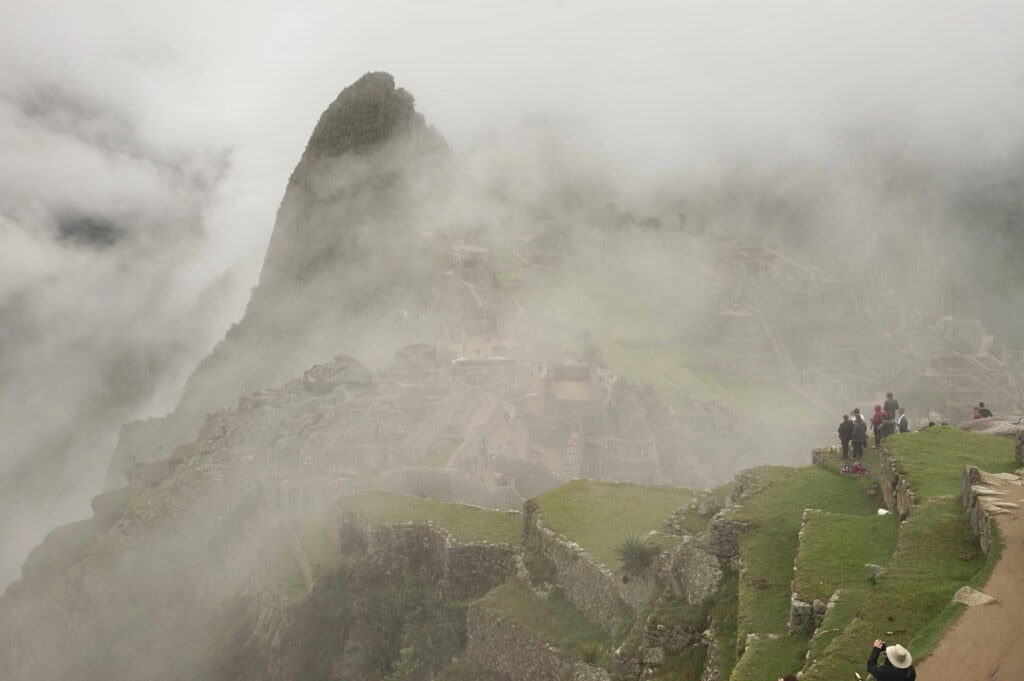
The best time of day to visit Machu Picchu is not always first thing in the morning. While early entry sounds like the obvious best option, mornings often come with a lot of fog, especially around the main viewpoints. This can cover the ruins and block the classic view that many people are hoping to see.
In many cases, the fog starts to lift later in the morning, often around 11 a.m. or a bit after. Because of that, a later entry can sometimes give you a much clearer view of Machu Picchu than the earliest time slots. If you do go early, it is worth knowing that poor visibility in the morning is very common and does not always last all day.
So if your main priority is getting the best possible view, it can actually be smarter to visit later in the morning rather than as early as possible.
Machu Picchu Altitude and Difficulty
How high is Machu Picchu?
Machu Picchu sits at an altitude of about 2,430 meters above sea level (7,970 feet). That is high enough that some travelers may still feel it a bit, but it is much lower than Cusco, which is at around 3,400 meters.
This means that for many people, Machu Picchu actually feels easier on the body than Cusco. If you already spent a few days in Cusco before going, the altitude at Machu Picchu will usually not be the hardest part of the visit. The bigger challenge is often the walking itself, especially with stairs, uneven paths, and extra hikes if you choose one of the mountain routes.
So while Machu Picchu is definitely in the mountains, the altitude is usually manageable for most travelers, especially compared with other places in the Cusco region.
What to know about the stairs and walking
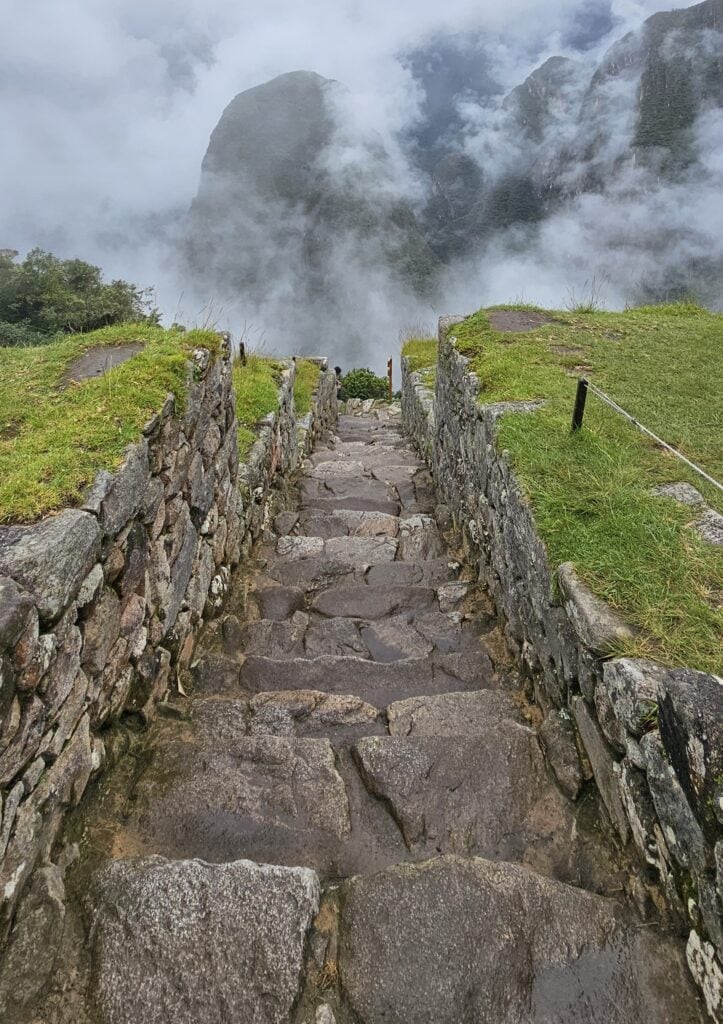
One thing to know before visiting Machu Picchu is that there is quite a bit of walking involved, and in some parts, a lot of stairs as well. The paths are uneven, the stone steps can be steep, and you are constantly walking up and down rather than on flat ground.
For most people, the visit is still very doable, but it can feel more tiring than expected, especially if you are not used to hiking or if you are already tired from travel. Good shoes make a big difference, especially if the ground is wet.
If you choose a standard circuit, the walk is manageable for most travelers with normal fitness. But if you add one of the mountain hikes, like Waynapicchu or Machu Picchu Mountain, the visit becomes much more demanding.
So even though you do not need to be super fit to visit Machu Picchu, it is good to expect a decent amount of walking, stairs, and uneven paths during your time there.
Final Thoughts on Visiting Machu Picchu
Machu Picchu is one of those places that truly feels worth the effort. Planning it can seem confusing at first with the tickets, circuits, trains, and timing, but once you understand how it all works, the trip becomes much easier to manage.
For me, it was one of the clear highlights of Peru and a place that fully lived up to the expectations. What makes it special is not just the ruins themselves, but the full experience of getting there, seeing it in person, and taking in the setting around it.
My biggest advice is to plan a little ahead, choose your ticket carefully, and not rush the visit more than necessary. If you can, stay in Aguas Calientes, hire a local guide at the entrance, and give yourself enough time to enjoy the experience properly.
If Peru is on your list, Machu Picchu is one place that really deserves its spot.