Table of Contents
Why Visit Peru?
Peru is one of the most rewarding countries to visit in South America. What makes it stand out is how much variety you can experience in one trip, from the Amazon and the Andes to coastal cities and desert landscapes. It is a great destination for travelers who enjoy nature, culture, food, and outdoor experiences. Whether it is your first time in South America or not, Peru is a country that feels different in every region and always gives you something new to see. After spending a lot of time in Peru and traveling around the country on multiple trips, I put this guide together to share practical advice based on real experience, not just general research. This Peru travel guide covers everything you need to know before you go, from the best places to visit to transport, budget, and travel tips.
What Kind of Trip to Expect
A trip to Peru is usually easy to plan and navigate, especially on the main tourist route. Transport between popular places is well organised, and many destinations are set up well for travelers. At the same time, Peru can also be physically demanding. Popular places such as Cusco, Machu Picchu, Rainbow Mountain, and Lake Titicaca are at high altitude, and many experiences involve walking, hiking, or long travel days.
Best Places to Visit in Peru
Lima
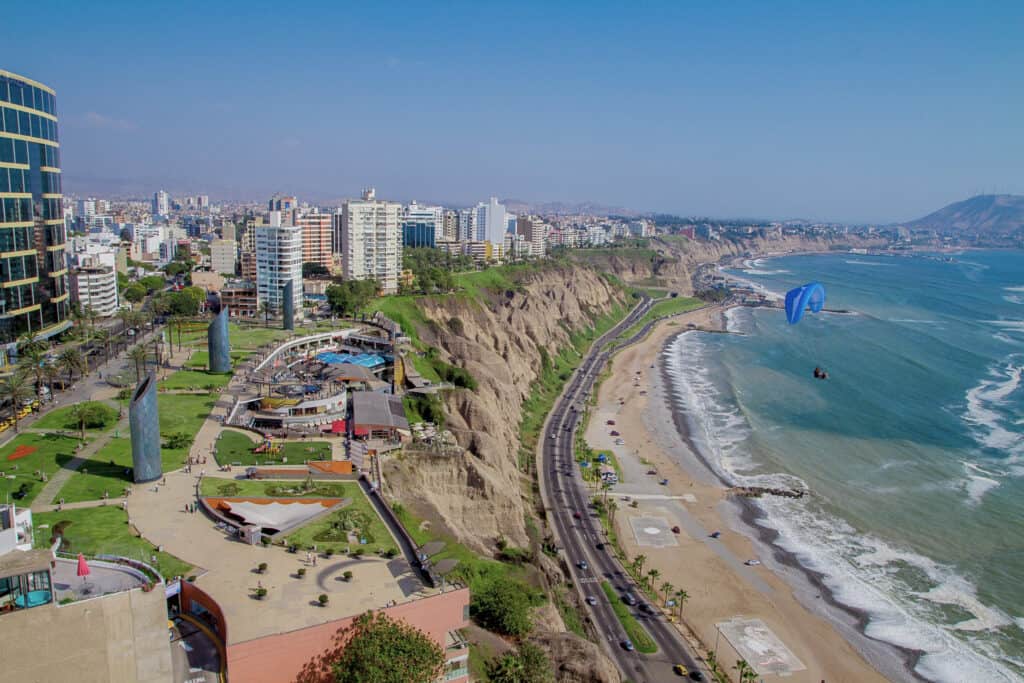
Lima is worth visiting for its food more than anything else. While the city has a pleasant historic center, coastal views, and a few good cultural attractions, it is mainly a must-visit because of its excellent cuisine. For many travelers, Lima is the best place in Peru to enjoy the country’s food scene, from local markets to well-known restaurants. In most cases, two days is more than enough to see the main sights and enjoy the city before continuing to other parts of Peru.
Cusco
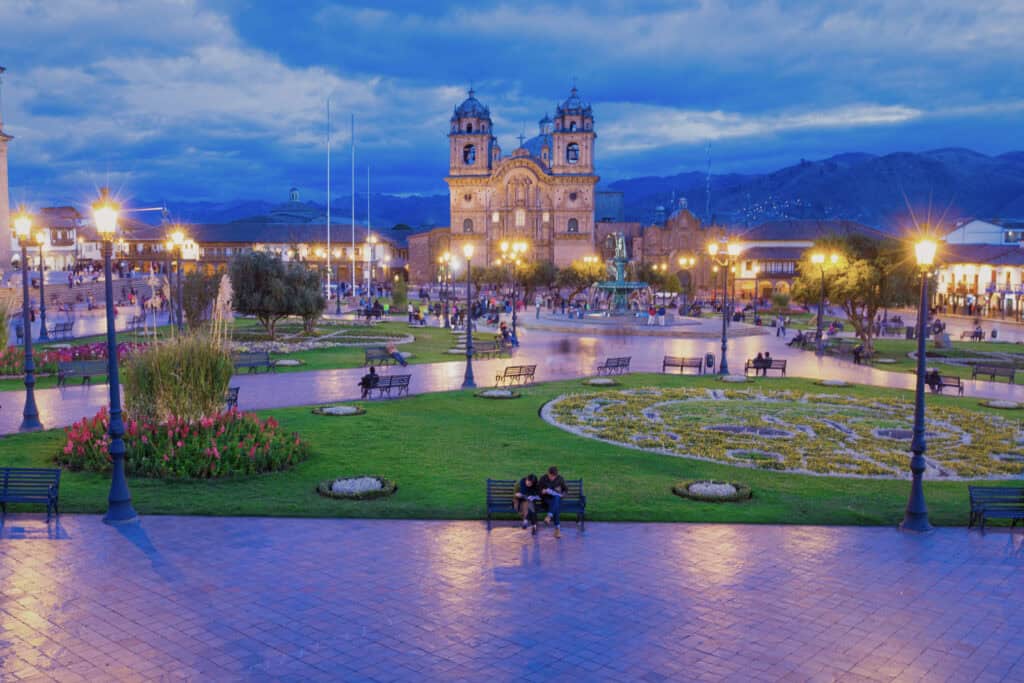
Cusco is one of the main highlights of Peru and a key stop on almost every first trip through the country. It is a very tourist-friendly city with many hotels, restaurants, tour options, and activities in and around the area. Cusco is also the main hub for visiting Machu Picchu and the Sacred Valley, which makes it an important base for several days. Because the city sits at high altitude, many travelers need some time to adjust before doing hikes or other physically demanding trips.
Machu Picchu
Machu Picchu is Peru’s most famous attraction and one of the most important places to visit in the country. This world-famous 15th-century Inca citadel is a UNESCO World Heritage Site and remains one of the best-known landmarks in South America.
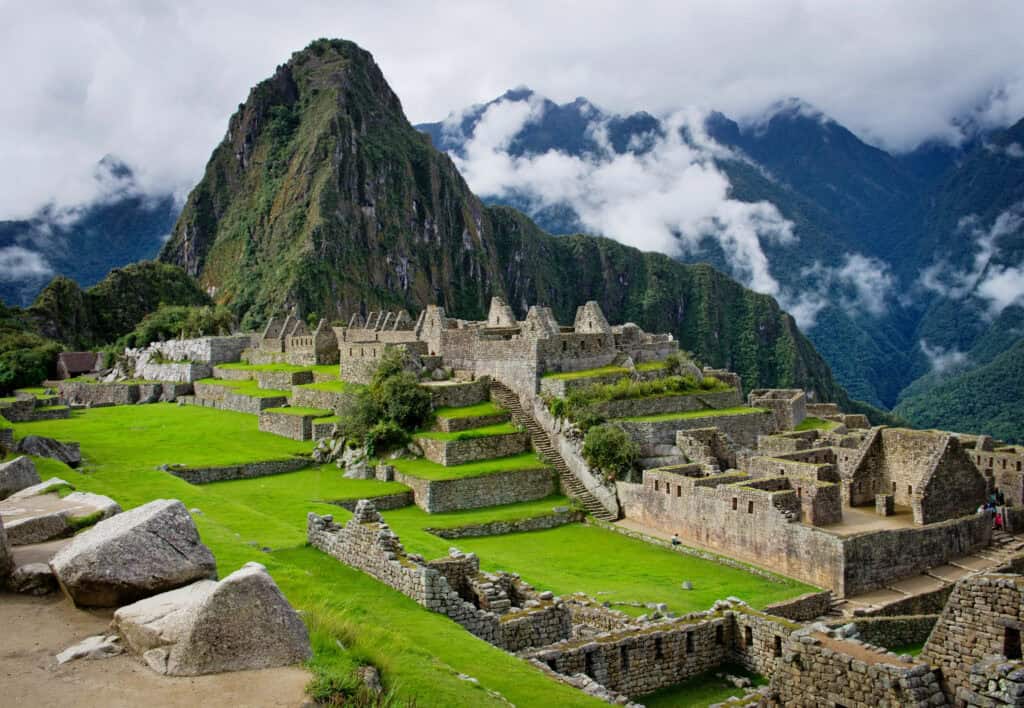
It lies northwest of Cusco, and the distance depends on the route you take, but many travelers reach it through the Sacred Valley and Aguas Calientes. The trip from the Cusco area usually takes several hours each way, and many organized tours are planned from Cusco, which is the main base for visiting the site.
For most travelers, Machu Picchu is a must-visit. It is very popular and can get extremely busy, especially in peak travel periods, so it is important to book tickets and transport in advance. Peru’s official tourism information also directs visitors to buy entry tickets through the official government ticket website.
Sacred Valley
The Sacred Valley is one of the most rewarding areas to visit in Peru and is often combined with Cusco and Machu Picchu. It is known for its mountain scenery, traditional villages, Inca sites, and quieter atmosphere compared with Cusco. Many travelers stay here for a few days to explore places such as Ollantaytambo, Pisac, and Maras, or to break up the trip before visiting Machu Picchu. Because the Sacred Valley sits lower than Cusco, it can also be a better place for some travelers to adjust to the altitude.
Arequipa
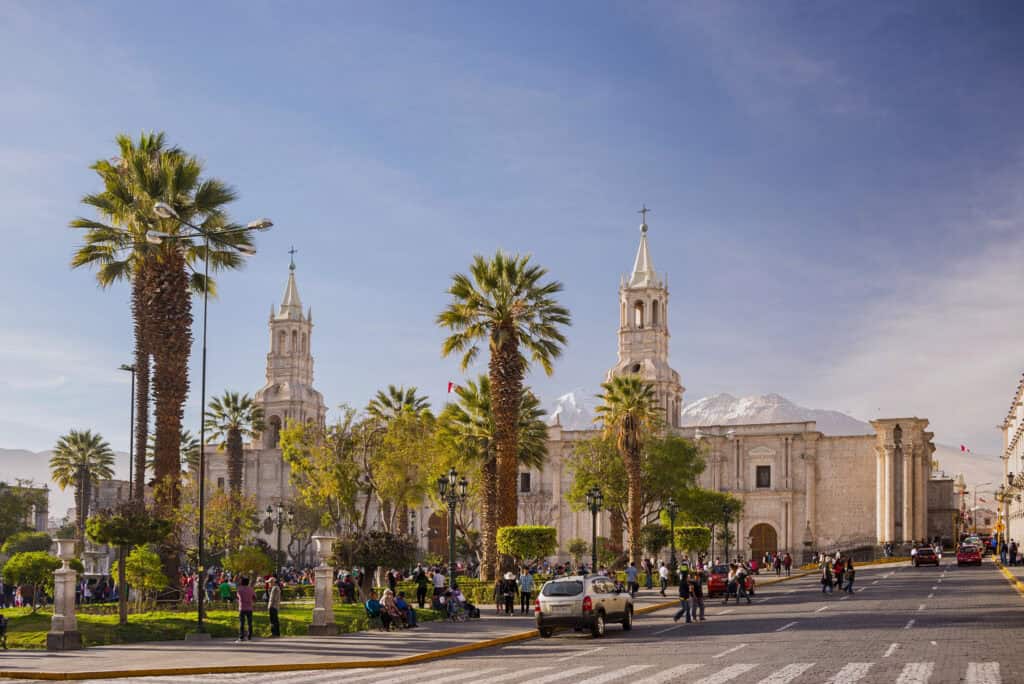
Arequipa is one of Peru’s most attractive cities and a great stop between Lima, Cusco, and Lake Titicaca. It is known for its beautiful white stone architecture, relaxed atmosphere, and strong food scene. The city also works well as a base for visiting Colca Canyon, one of the most popular natural attractions in the country. At around 2,300 meters above sea level, Arequipa sits lower than Cusco or Puno, so it can also be a slightly easier place to adjust to altitude.
Lake Titicaca
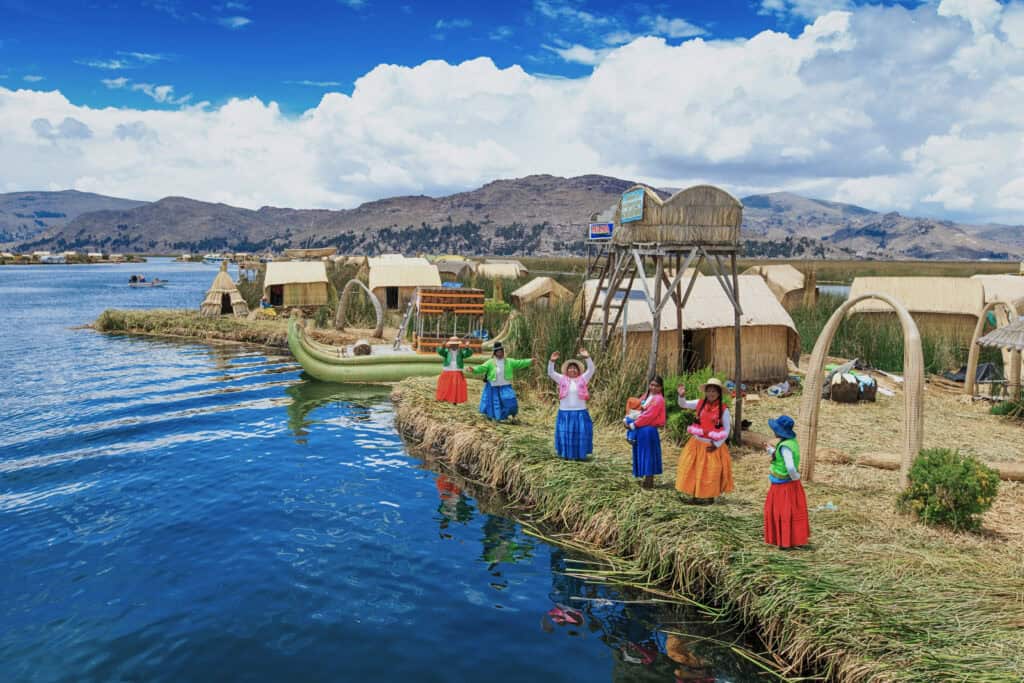
Lake Titicaca is one of the most memorable places to visit in Peru because of its unique setting, local culture, and very high altitude. It is often described as the world’s highest navigable lake, sitting at about 3,812 meters above sea level, which makes the scenery feel very different from other parts of the country. Most travelers visit the lake from Puno, the main city on the Peruvian side and the usual base for boat trips and island visits. The area is also an important stop for travelers continuing overland between Peru and Bolivia.
Paracas and Huacachina
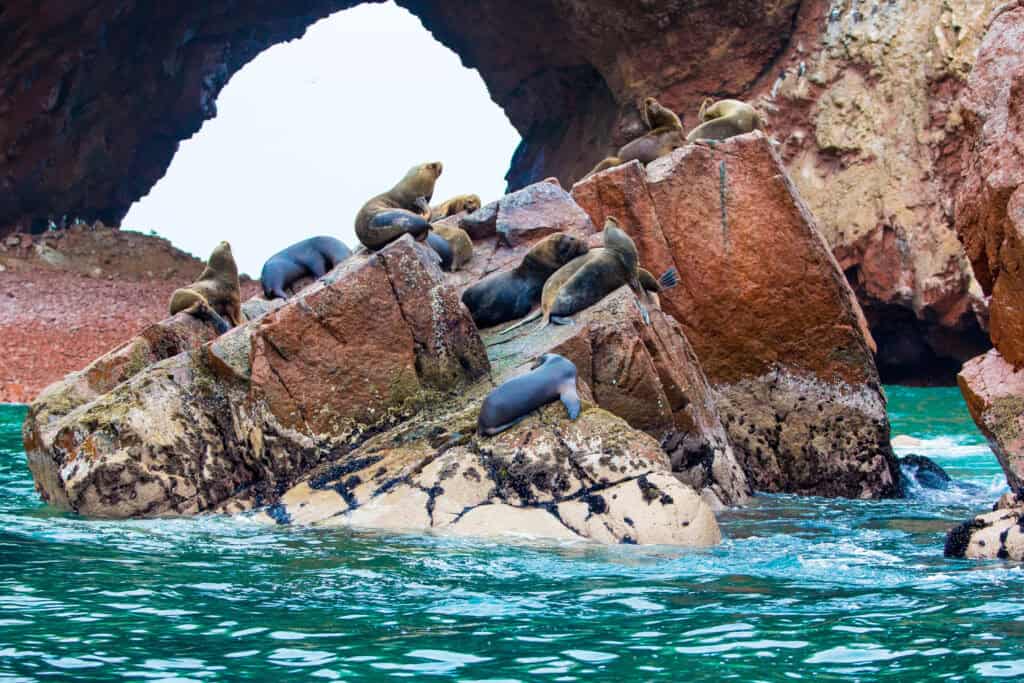
Paracas and Huacachina are two of the easiest places to add to a trip from Lima. Paracas is about 260 km south of Lima, while Huacachina is farther inland near the city of Ica. From Paracas, many travelers join the popular Ballestas Islands boat tour, where you can often see sea lions, penguins, and other marine wildlife. Huacachina is about 75 km from Paracas and is known for its desert setting, sand dunes, and sunset activities. For most travelers, Paracas works well as a 2-day stop, while Huacachina is usually best for 1 night and 2 days.
Huaraz and the Cordillera Blanca
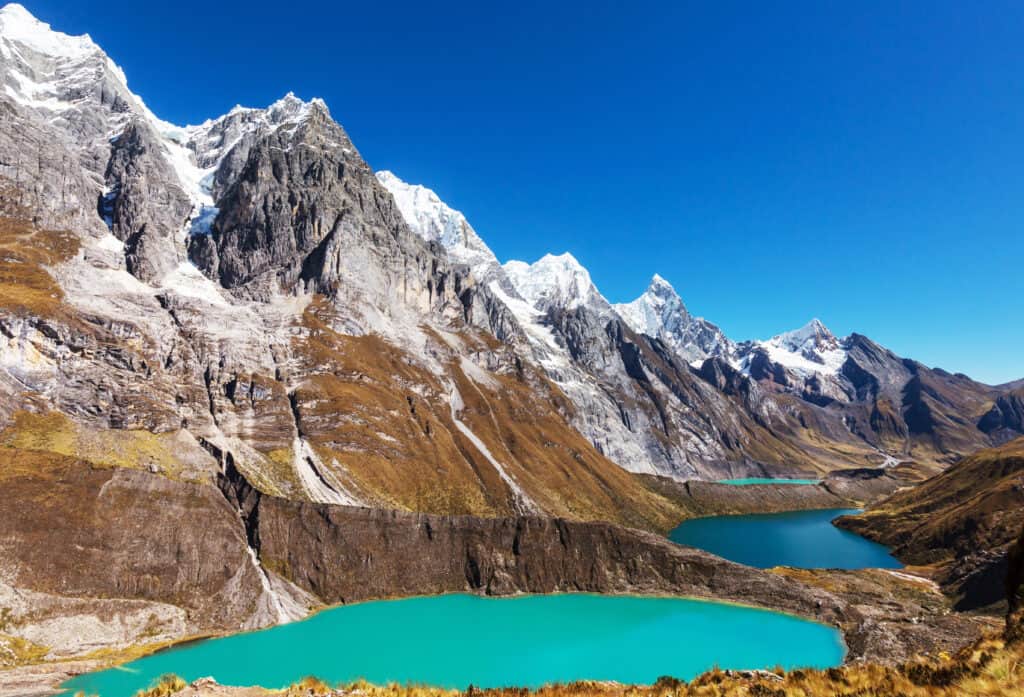
Huaraz and the Cordillera Blanca are among the best places in Peru for travelers who love hiking, mountain views, and nature. Huaraz is the main base for exploring the area, with access to day hikes, longer treks, and Huascarán National Park in the Cordillera Blanca. The region is known for snow-capped peaks, glacial lakes, and some of the most impressive mountain scenery in the country. It is a great stop for active travelers, but like other parts of the Peruvian Andes, the high altitude can make hiking and daily activities more challenging.
Best Time to Visit Peru
Dry Season vs Rainy Season
Peru has two main travel seasons, but the weather varies a lot by region. In general, the dry season runs from May to September and is the most popular time to visit, especially for Cusco, the Andes, and hiking routes. The rainy season usually lasts from November to March, bringing wetter conditions in the mountains and a higher chance of delays or cloudy views. For many first-time visitors, the dry season is the easiest and most reliable time to travel.
Best Time to Visit the Amazon
The Amazon can be visited year-round, but the best time depends on the type of trip you want. The drier months, usually from May to October, are often better for jungle walks, trails, and spotting wildlife on land. The wetter months, from November to April, bring higher water levels, which can make boat travel easier and open access to more flooded forest areas. In every season, the Amazon is hotter, wetter, and more humid than most other parts of Peru.
Best Time to Visit Peru’s Coast
Peru’s coast can be visited throughout the year, but the best time is usually from December to April. These are the warmer and sunnier months, especially in places such as Lima, Paracas, and the northern beaches. From May to November, the coast is often cooler and more cloudy, especially around Lima. For travelers who want the best beach weather and clearer skies, the summer months are usually the best choice.
Best time to Visit the andes for Hiking and Machu Picchu
The best time to visit Peru for hiking and Machu Picchu is during the dry season, from May to September. These months often bring clearer skies, drier trails, and better trekking conditions in the Andes. June, July, and August are especially popular, so prices can be higher and major sites more crowded. For a better balance of weather and crowd levels, May and September are often excellent months to go.
How Many Days Do You Need in Peru?
How many days you need in Peru depends on the kind of trip you want. If you want the full Peru experience, with time for the coast, the Andes, the Amazon, and a few slower travel days in between, four weeks is a much better minimum. If you only have two weeks, you can still see many of the country’s main highlights, but the trip will feel more rushed, especially because travel distances are long and altitude can slow you down.
How to Plan a Trip to Peru
How to Get to Peru
Most international travelers arrive in Peru by air, through Jorge Chávez International Airport in Lima, which is the country’s main gateway. This is the most common and easiest way to start a trip, especially for travelers coming from Europe, North America, or other parts of South America. Peru can also be entered overland from neighboring countries such as Ecuador, Colombia, Bolivia, Brazil, and Chile, which is common for longer South America trips. For most first-time visitors, flying into Lima is the simplest option.
How to Travel Around Peru
The two main ways to travel around Peru are by domestic flights and long-distance buses. Flights are the fastest option and are very useful for covering long distances, especially between places such as Lima, Cusco, and Arequipa. Buses are much cheaper and are a popular choice for many travelers. Several companies operate long routes across the country, and many buses are very comfortable, with reclining seats or even lie-flat style seats on better services. The main downside is time, since journeys can be very long. Buses can also be less reliable in the rainy season, when heavy rain and landslides sometimes block roads in mountain areas.
How Far in Advance to Book
It is usually best to book flights well in advance, especially if you want better prices on international or domestic routes. For Machu Picchu, booking early is much more important, especially in the high season, when tickets often need to be reserved two to three months in advance. Most other activities in Peru are much easier to arrange and can often be booked after arrival, either through local agencies, hotels, or tour offices in the main tourist areas.
Peru Entry Requirements and Travel Essentials
Visa and Entry Rules
Visa and entry rules for Peru depend on your nationality, so it is always best to check the official government website before you travel. In general, travelers need a passport that is valid for at least six months from the date of entry.
Currency and Paying in Peru
Peru uses the Peruvian sol (PEN). In larger cities and tourist areas, cards are widely accepted in hotels, restaurants, and many shops, but cash is still important for smaller businesses, local markets, taxis, and more remote areas. In less touristy places, small change can be very useful, since many shops and local vendors do not always have enough change for larger bills like 50 or 100 soles. Before leaving Lima or another major city, it is worth making sure you have some coins and smaller notes such as 10 and 20 soles. In general, paying in Peru is easy, but using a mix of cash and card is usually the best approach.
Language in Peru
Spanish is the main language spoken in Peru. In the most tourist-friendly places, English is usually manageable, and many restaurant menus, tours, and travel services are available in English. In more remote areas, English is much less common, so it is helpful to use a translation app. It is a good idea to download Spanish offline in google translate before arrival, so you can still use the app without internet. In some parts of Peru, especially in the Andes and other rural regions, languages such as Quechua and Aymara are also spoken.
Altitude and Acclimatization
Altitude is something to take seriously in Peru, especially in places such as Cusco, Puno, and other high parts of the Andes. Cusco sits at around 3,399 meters above sea level, Puno and Lake Titicaca are even higher at about 3,812 meters, and Arequipa is lower but still high enough to affect some travelers. To adjust more easily, it is best to take it slow during your first days, avoid alcohol, and do not plan heavy hikes right away. Many travelers also use coca tea or coca sweets, and in most places you can find altitude medicine in pharmacies or oxygen support in hotels and tourist services.
Safety and Common Travel Concerns
Peru is often seen as one of the easier and more approachable countries to travel in South America, especially on the main tourist route. Most trips go smoothly, but like in many popular destinations, common issues include pickpocketing, tourist scams, and taxi overcharging, especially in bigger cities such as Lima and Cusco. It is best to stay aware of your surroundings, avoid showing valuables, and use trusted transport whenever possible. Travelers should also prepare for practical concerns such as long travel days, high altitude, and occasional delays caused by weather or road conditions.
Typical Peru Travel Costs
Budget Travel
For low-budget travel, a realistic daily budget in Peru is around $35 to $60 per person, not including international flights. This usually covers simple accommodation, local meals, buses, and a few basic activities. In more popular areas such as Cusco and around Machu Picchu, daily costs are often higher.
Mid-Range Travel
Mid-range travel in Peru is comfortable and realistic for many travelers. With this budget, you can stay in good hotels, take a mix of flights and buses, eat at a mix of local spots and nicer restaurants, and book private or better-organized tours. A realistic mid-range budget is around $70 to $150 per person per day, not including international flights. Costs are usually higher in places such as Cusco, the Sacred Valley, and Machu Picchu.
Luxury Travel
Luxury travel in Peru can be very comfortable, with high-end hotels, private transfers, domestic flights, guided experiences, and top restaurants. This style of travel is especially popular in places such as Lima and around Machu Picchu, where there are many premium options. A realistic luxury budget usually starts at around $200 per person per day and can go much higher depending on the hotel level, transport, and private tours you choose.
Everyday Costs in Peru: What to Expect
Prices in Peru are generally reasonable, see below the avarage prices.
Hostel dorm bed: around $9 to $15 / €8 to €13 per night.
Simple local lunch wihtout drinks (in local towns not major cities): around $3 to $5.50 / €2.60 to €4.80.
Coffee in a café: around $3.50 to $4.50 / €3 to €4 for a latte in a chain café; local cafés can be cheaper.
Local city bus: around $0.30 to $0.55 / €0.25 to €0.50 per ride in Lima.
Short Uber or taxi ride: around $3 to $8 / €2.60 to €7.
Ride of around 30 minutes: around $7 to $15+ / €6 to €13+, depending on traffic and demand. Uber notes that prices vary in real time based on route, traffic, and availability.
Long-distance bus ticket: around $15 to $50 / €13 to €44, depending on the route and comfort level.
What to Pack for Peru
What to Wear in the Andes
Weather in the Andes can change quickly, so it is best to dress in layers. A typical outfit includes a T-shirt, a fleece or warm mid-layer, and a waterproof jacket for wind or rain. Comfortable walking shoes or hiking boots are important, especially if you plan to do day trips or longer hikes. Mornings and evenings can feel cold, while the sun can be strong during the day, so a hat, sunglasses, and sunscreen are also useful.
What to Pack for the Amazon
For the Amazon, it is best to pack light clothes that cover your skin, since the climate is hot, humid, and often buggy. Long sleeves, light trousers, and breathable fabrics help with both insects and sun. Good insect repellent is essential, and a light rain jacket is useful because showers can happen at any time. You should also bring comfortable walking shoes, sunscreen, a hat, and a dry bag or waterproof cover to protect your phone, camera, or documents.
Essentials for Multi-Climate Travel in Peru
Peru has very different climates, so it is important to pack for more than one type of weather. Many trips include warm coastal areas, cold mountain mornings and evenings, and humid jungle conditions, sometimes all in the same route. The most useful approach is to bring layers, comfortable shoes, a waterproof jacket, sun protection, and a few light clothes for warmer regions. Packing this way makes it much easier to move between Peru’s coast, Andes, and Amazon without needing completely different outfits for each stop.
Final Thoughts on Planning a Trip to Peru
Planning a trip to Peru can feel overwhelming at first, mainly because the country offers so much variety. But once you understand the main regions, travel times, and altitude, it becomes much easier to build a route that makes sense. For most travelers, Peru is one of the most rewarding destinations in South America, with a strong mix of culture, nature, food, and well-known highlights. With enough time and a well-balanced itinerary, it is a country that leaves a lasting impression.